Commercial Tequila Distillery Equipment: from agave to añejo
Tequila production begins with selecting the correct raw material and carefully transforming it into a finished spirit through several controlled stages. Throughout the entire process, producers must comply with regulations established by the Tequila Regulatory Council to ensure authenticity, quality, and adherence to Mexican standards for tequila production.
Some producers may add cane sugar or piloncillo (brown sugar cones) during fermentation to increase alcohol yield. When additional sugars are used, the resulting product is classified as mixto tequila. These products can be exported in bulk or bottled outside Mexico, but cannot legally be labeled as 100% agave tequila.
Selecting the Agave Raw Material
Despite common misconceptions, tequila is not made from cactus. It is produced from the sap of a specific agave species known as Blue Weber agave. While Mexico has more than 130 agave species, only this variety is approved for tequila production.
A mature agave plant typically grows for 8–15 years before harvest. At maturity, the plant can reach 5–8 feet in height with a diameter of 7–12 feet. Agave is cultivated in organized fields often called campos de agave, where plants are propagated from offshoots taken from mature plants.
These shoots are first dried in the field, then transferred to nurseries before finally being planted in cultivation areas where they will mature over several years.
Harvesting and Preparing the Piñas
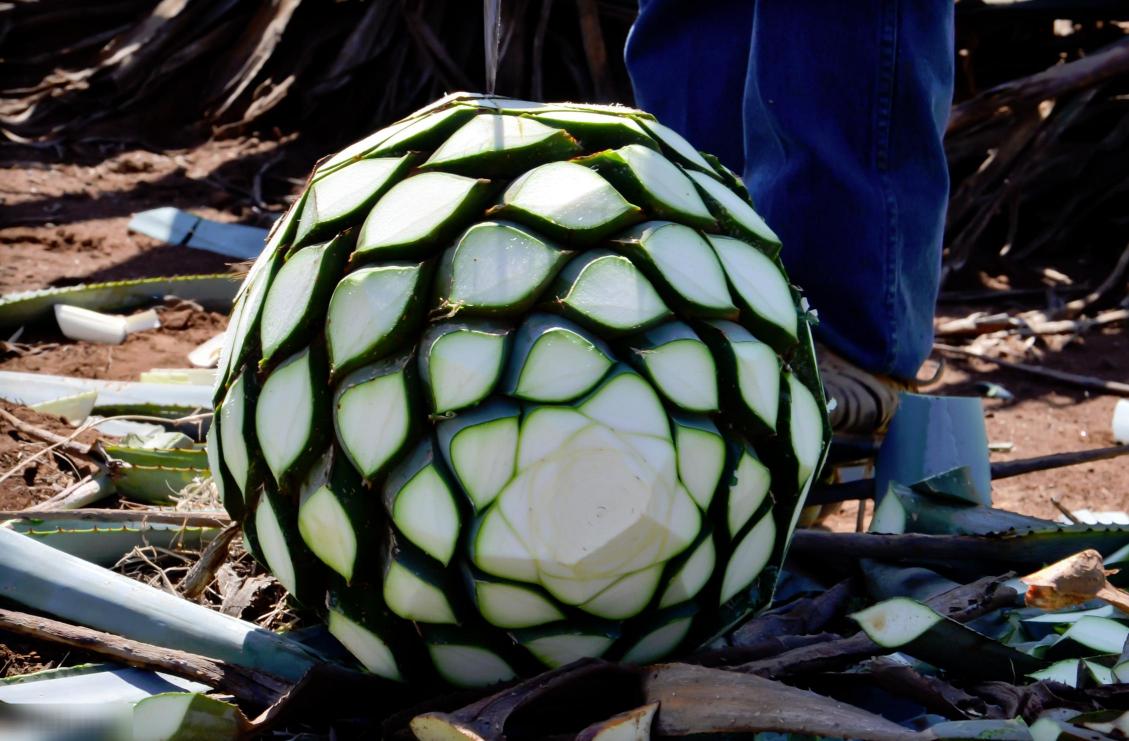
The usable portion of the agave plant is the large central core called the piña, named for its resemblance to a pineapple. When mature, a piña can weigh between 35 and 140 kilograms, though most weigh under 90 kilograms for easier harvesting.
Once the leaves develop a reddish coloration, indicating maturity, skilled harvesters remove the leaves and cut the piña from the stalk. The harvested cores are then transported to the distillery for processing.
Cooking and Extracting the Agave Juice
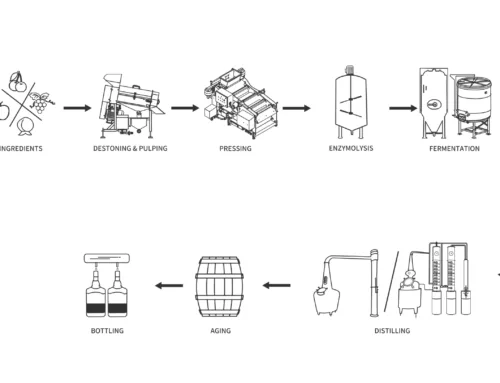
Traditionally, agave piñas are cooked in brick or stone ovens known as hornos. The cooking process typically lasts 50–72 hours at temperatures between 60–80°C. Slow cooking softens the agave fibers and converts complex carbohydrates into fermentable sugars.
After cooking, the softened piñas are crushed to extract their juice. Historically, this was done using a tahona, a large stone wheel used to crush the fibers. Modern distilleries may use mechanical shredders or crushers to improve extraction efficiency.
The crushed agave releases a sweet liquid known as aquamiel, or “honey water.” This juice is collected and combined with water to create a fermentable mash.
Fermentation
The mash is transferred into fermentation vessels, typically made from wood or stainless steel, where yeast converts sugars into alcohol. Fermentation usually lasts 7–12 days and results in a liquid with approximately 5–7% alcohol by volume (ABV).
Some producers introduce cultivated yeast strains, while others rely on naturally occurring yeast present on the agave plant. In certain cases, a portion of the fermented mash is reserved to serve as a starter culture for subsequent fermentation batches.
Distillation
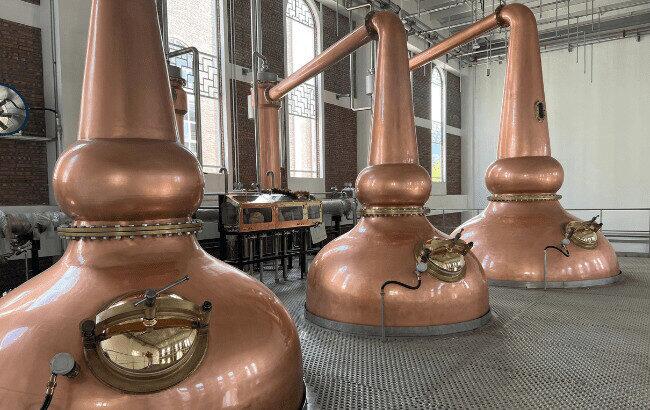
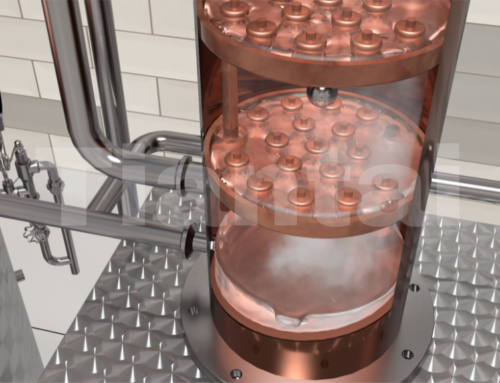
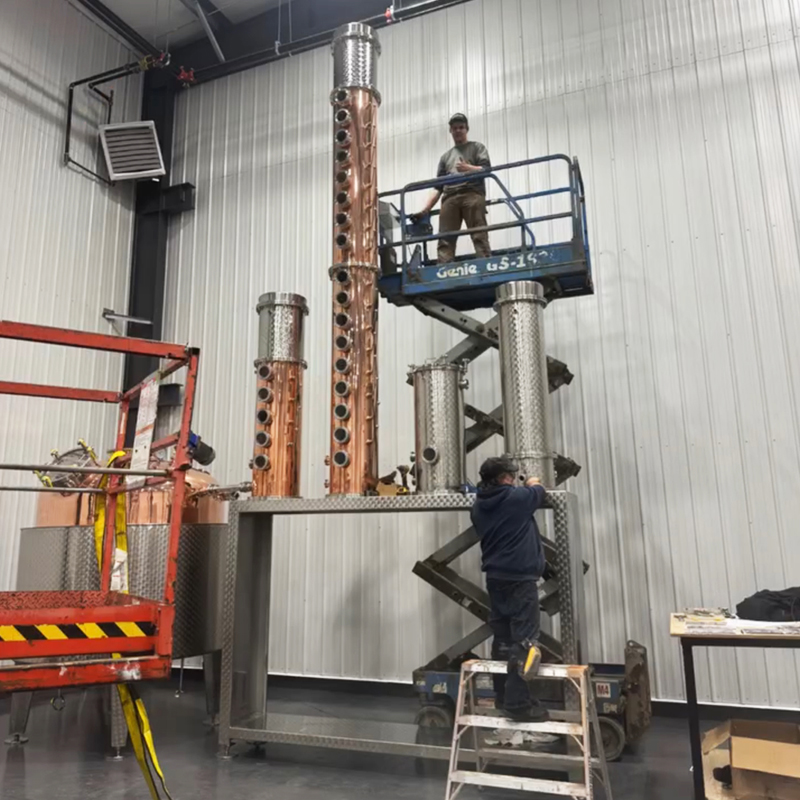
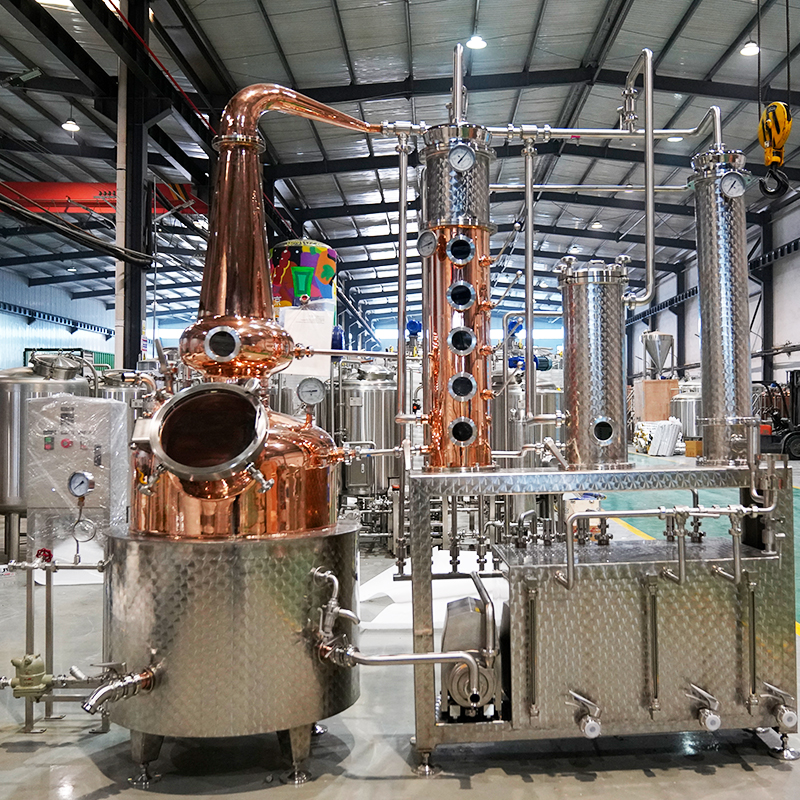
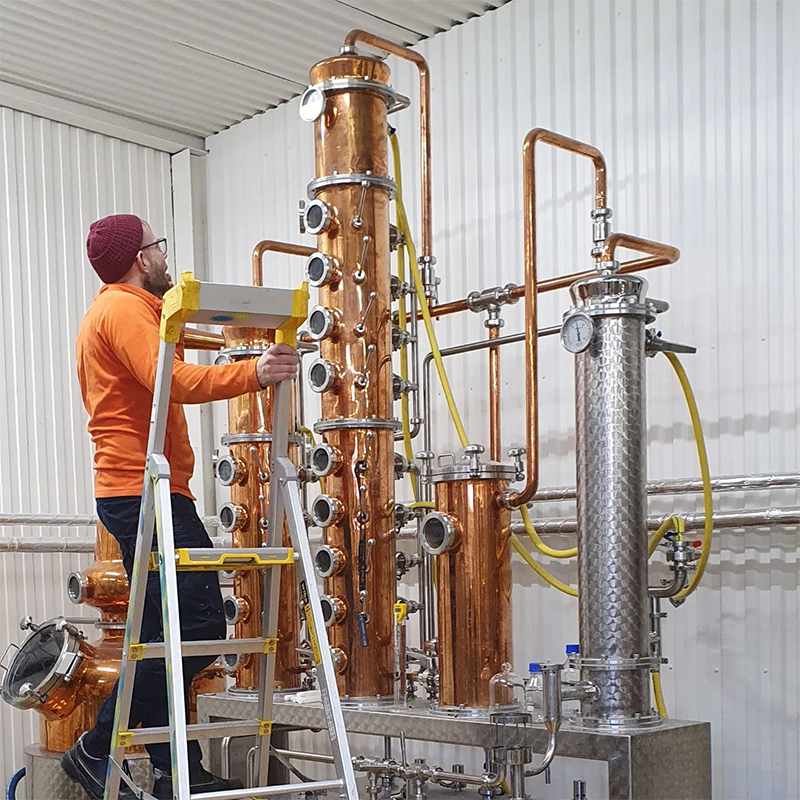
The fermented liquid is distilled twice to concentrate alcohol and refine the spirit. Distillation may take place in copper pot stills or column stills.
The two-stage process generally works as follows:
- First distillation (ordinario) – produces a spirit of roughly 20% ABV.
- Second distillation – refines the spirit to approximately 55% ABV.
During distillation, three fractions are separated:
- Head (cabeza) – contains undesirable compounds and is discarded.
- Heart (corazón) – the main portion kept as the final spirit.
- Tails (colas) – sometimes discarded or redistilled.
This separation helps ensure a balanced and refined distilled product.
Aging and Classification
Fresh tequila is clear when it leaves the still. Aging in wooden barrels adds color and influences flavor development. Tequila is typically classified into the following categories:
- Blanco – unaged tequila, bottled immediately or rested for up to two months in stainless steel tanks.
- Joven (Gold) – usually a blend of blanco tequila with coloring or flavoring agents or small amounts of aged tequila.
- Reposado – aged in oak barrels for 2 to 12 months.
- Añejo – aged for 1 to 3 years in barrels no larger than 600 liters.
- Extra Añejo – aged for more than 3 years in wooden barrels.
Barrels previously used for aging other spirits—such as bourbon or sherry—may also be used to impart additional flavor characteristics.
Blending and Bottling
After aging, tequila from different barrels is often blended to maintain consistent flavor, aroma, and color across production batches. This blending stage allows producers to achieve a stable final profile before bottling and distribution.
The finished spirit is then diluted to bottling strength, filtered if necessary, and packaged for sale.
Planning to start or expand a tequila distillery? Explore our tequila distillery equipment range and build a production setup suited to your capacity and process requirements.