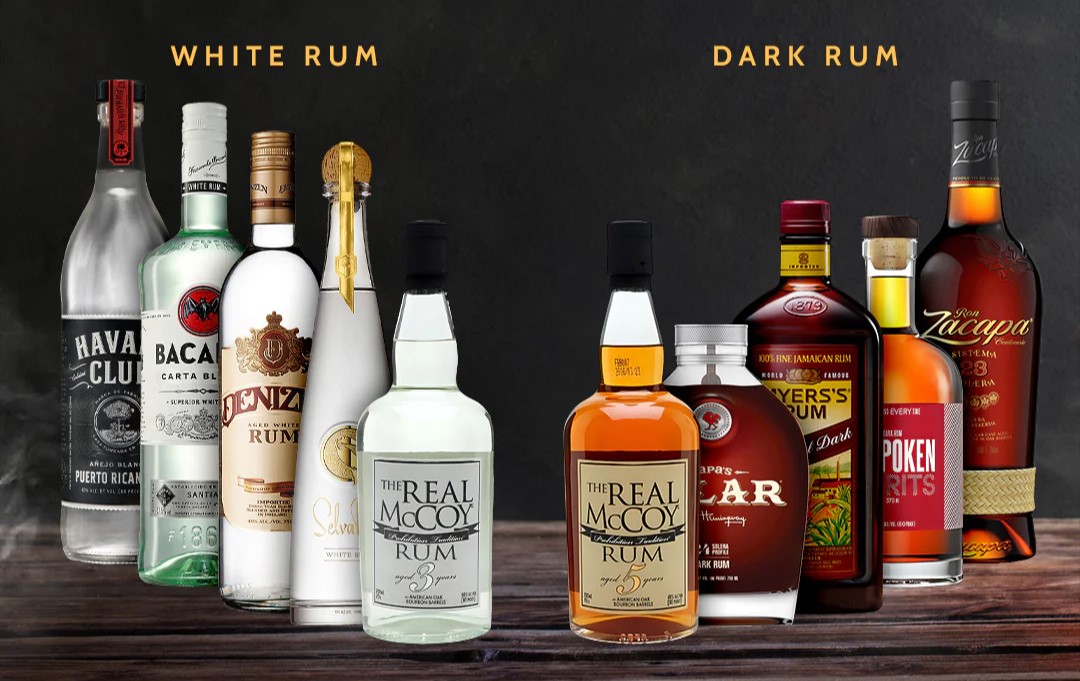
Distillery Equipment for Premium Rum Production
Rum is a distilled spirit produced from sugarcane-derived materials such as fresh cane juice, cane syrup, or molasses. It is widely produced in tropical and subtropical regions where sugarcane cultivation is common, particularly throughout the Caribbean, Latin America, and parts of Asia. Depending on raw materials, fermentation conditions, distillation methods, and aging practices, rum can range from light and delicate styles to darker spirits with more pronounced flavor complexity.
The production of rum typically involves several key stages: preparing the sugar-based ingredients, fermenting sugars into alcohol, distilling the fermented mash, aging the spirit in barrels, and blending different batches to achieve a consistent final product. Each step contributes to the aroma, body, and overall character of the rum.
The Base
Ingredients preparation is the first step in rum production. Whether the distillery uses fresh cane juice, cane syrup, or molasses, the handling and preparation of these raw materials determines sugar concentration, fermentation efficiency, and the initial flavor profile of the spirit.
Rum can be produced from three main sugarcane-derived bases: cane juice, cane syrup, and molasses.
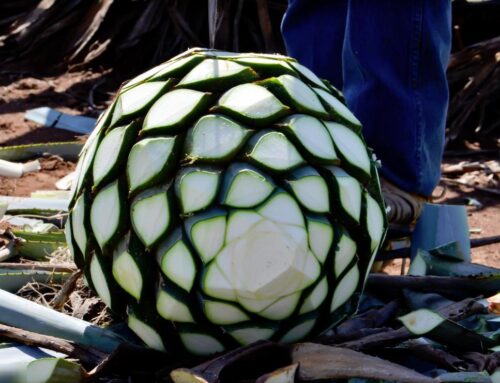
Cane juice is obtained by crushing sugarcane stalks to extract the liquid. After extraction, the juice is typically strained to remove fibers and suspended solids. Some distillers clarify the juice slightly to stabilize the liquid before fermentation.
Cane syrup is produced by reducing cane juice through controlled heating. During this process, water evaporates and the remaining liquid becomes more concentrated, producing a thick syrup with higher sugar content.
Molasses is the byproduct remaining after sugar crystals are removed from boiled sugarcane juice during sugar production. Some distillers prefer darker molasses, which has undergone additional heating and caramelization, contributing stronger flavors to the final rum.
Equipment used at this stage may include storage tanks and mixing vessels that prepare the base for fermentation.
Fermentation
Fermentation is the stage where sugars are converted into alcohol. In this process, yeast consumes sugars present in the mash and produces alcohol, carbon dioxide, and flavor compounds that contribute to the character of the rum.
The base mash is diluted with water and transferred into fermentation tanks, where yeast is introduced. Depending on the desired rum style, fermentation can last anywhere from approximately one day for lighter rum styles to several weeks for heavier and more complex spirits.
Longer fermentation periods typically encourage the formation of additional esters and aromatic compounds, resulting in richer flavor profiles.
Modern distillery systems typically use stainless steel fermenters with temperature control jackets, agitation options, and monitoring systems for parameters such as temperature, pH, and sugar concentration. Some distilleries also maintain yeast propagation systems to cultivate consistent yeast cultures for repeatable fermentation performance.
Distillation
Distillation separates and concentrates alcohol from the fermented mash while shaping the final spirit profile. The choice of distillation equipment influences alcohol strength, production capacity, and flavor characteristics.
Two primary types of stills are used in rum production: pot stills and column stills.
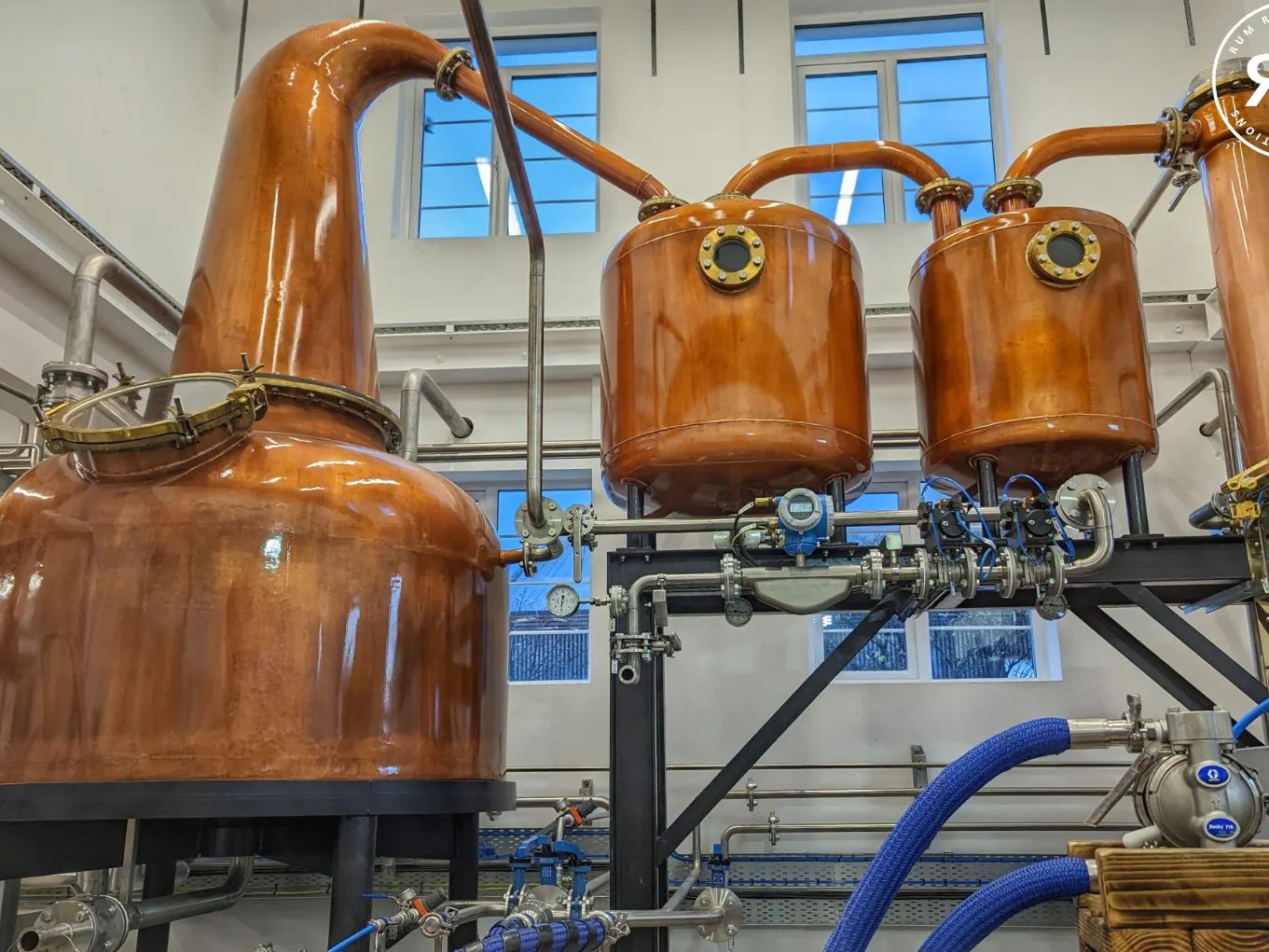
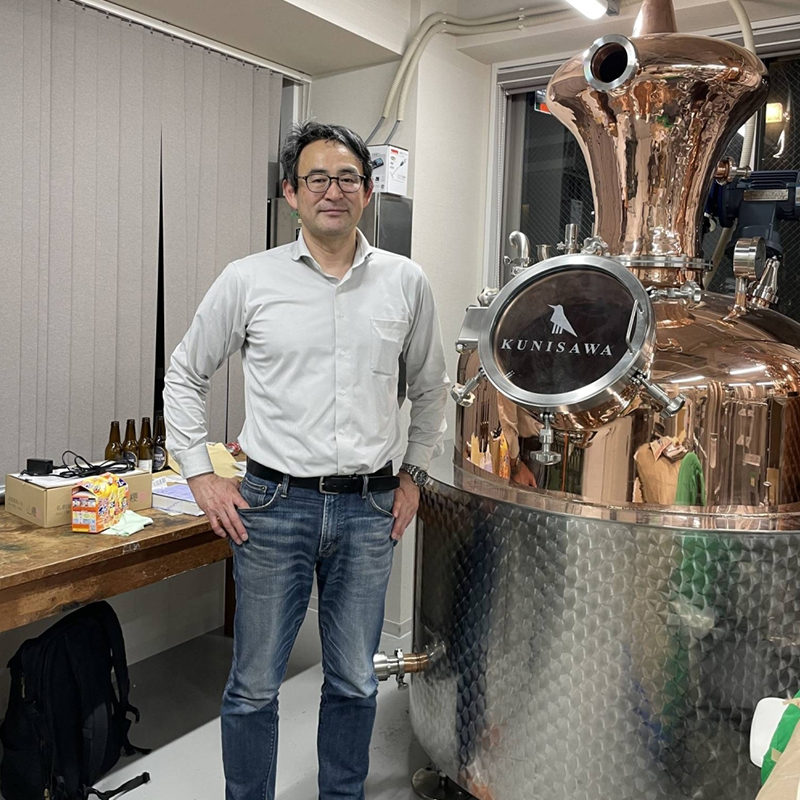
Pot stills are commonly used when producers want to retain more congeners and flavor compounds. These stills generally operate in batch cycles and are often associated with fuller-bodied rums.
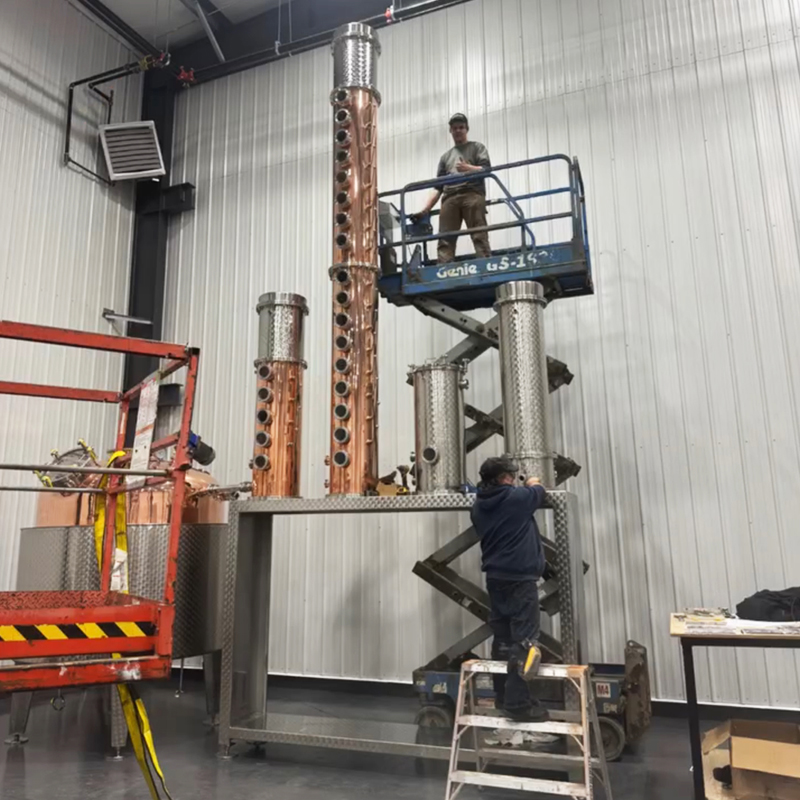
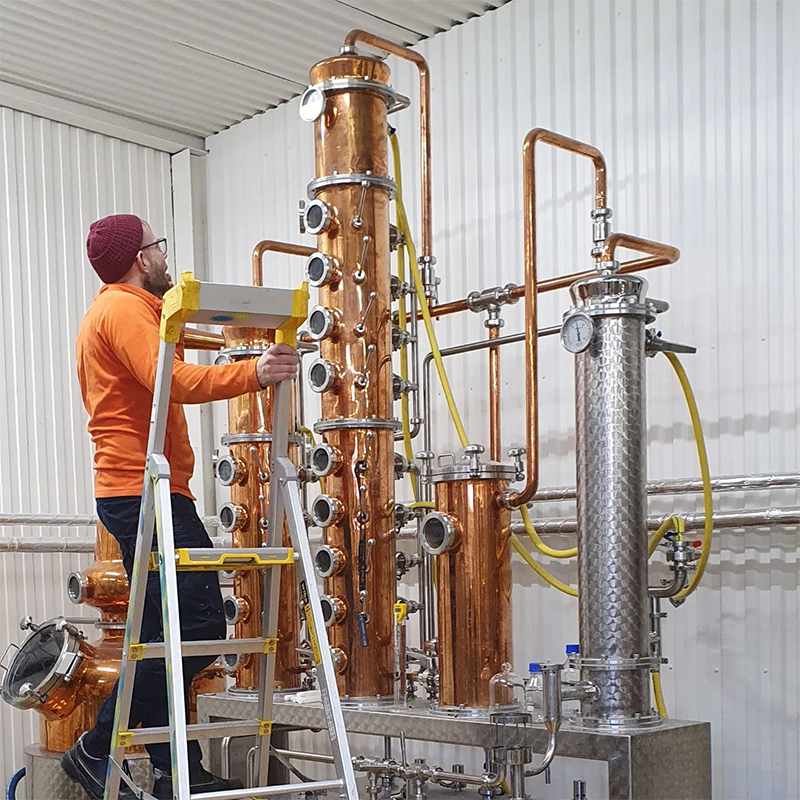
The column continues to operate and allows higher alcohol concentrations to be achieved during distillation. Because they remove more impurities and flavor compounds, they are often used to produce lighter rum styles.
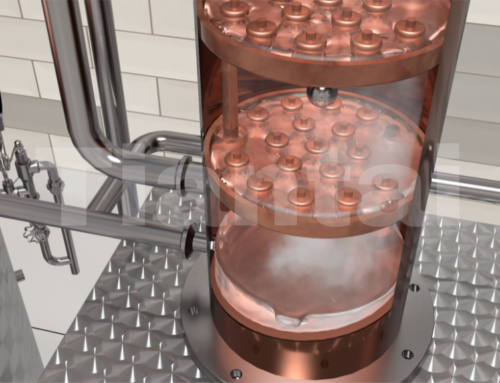
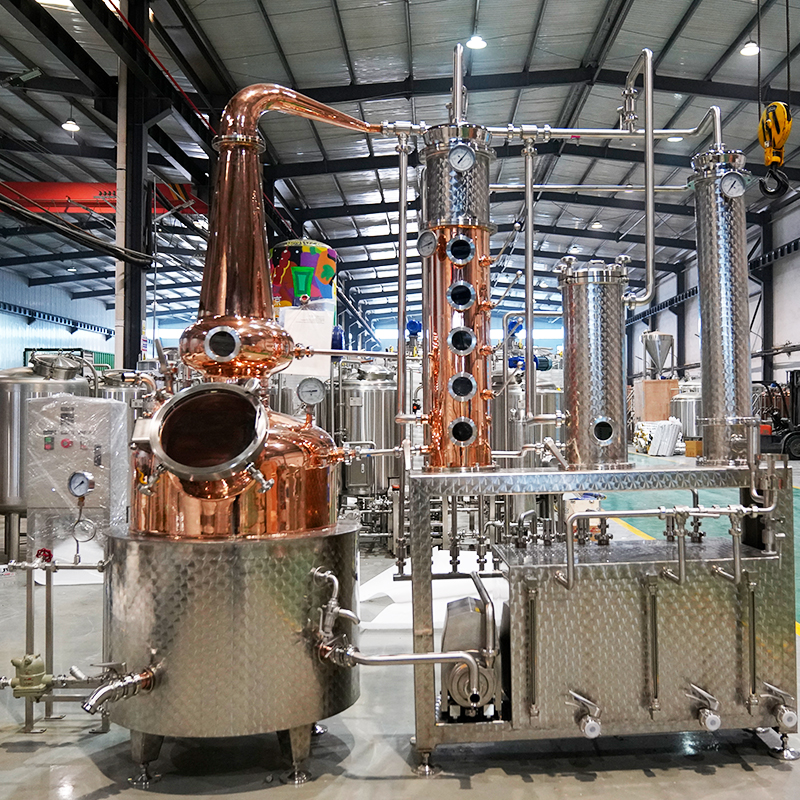
Distilling systems may include copper still bodies, reflux columns, condensers, and spirit safety designed to collect different fractions of distilled spirit.
Aging
Aging allows rum to develop additional complexity through interaction with wood and gradual oxidation. Over time, the spirit extracts compounds from the barrel that contribute color, aroma, and flavor.
Many rum producers age their spirits in oak barrels, including previously used whiskey, sherry, or brandy casks. These barrels introduce additional flavor characteristics that can enhance the complexity of the final product.
The aging time varies depending on the desired rum style. Some light rums are only briefly rested, while darker or premium rums may mature for several years.
Distillery infrastructure for aging typically includes barrel storage systems, warehouse racking, and environmental management to control temperature and humidity during maturation.
Blending
Blending is used to create consistent flavor profiles by combining rums of different ages, origins, or distillation styles. This process allows producers to maintain product consistency while balancing aroma, body, and sweetness.
Large distilleries often store many barrels simultaneously, giving blenders a wide selection of spirits to work with. Through tasting and careful selection, these components are combined to produce the final product profile.
Blending systems may include stainless steel blending tanks, transfer pumps, dosing systems for color adjustments, and laboratory tools for quality verification.
Flavoring
Some rum products are finished with natural flavors, spices, or caramel coloring to achieve specific product styles. Spiced or flavored rums have become a significant category within the global rum market.
Flavoring typically occurs after distillation and blending. Controlled dosing systems allow producers to introduce measured quantities of flavor extracts or caramel to achieve the desired taste and appearance.
Sanitation and Process Control
Maintaining strict hygiene standards is essential in distillery operations. Contamination during fermentation or storage can affect both product quality and yield.
Clean-in-place (CIP) systems allow tanks, pipelines, and process equipment to be cleaned and sanitized without disassembly. These automated systems circulate cleaning solutions through the equipment to remove residues and microorganisms.
Integrated process monitoring and laboratory testing further support quality control by verifying alcohol content, microbial stability, and batch traceability.
Integrated Distillery Equipment
A complete rum production facility typically integrates multiple systems, including raw material handling, fermentation vessels, distillation units, aging infrastructure, blending tanks, and sanitation systems. Modular equipment designs allow distilleries to expand production capacity as demand grows while maintaining consistent process control.
Careful equipment selection and system integration help distillers optimize production efficiency while maintaining the flavor characteristics that define their rum products.