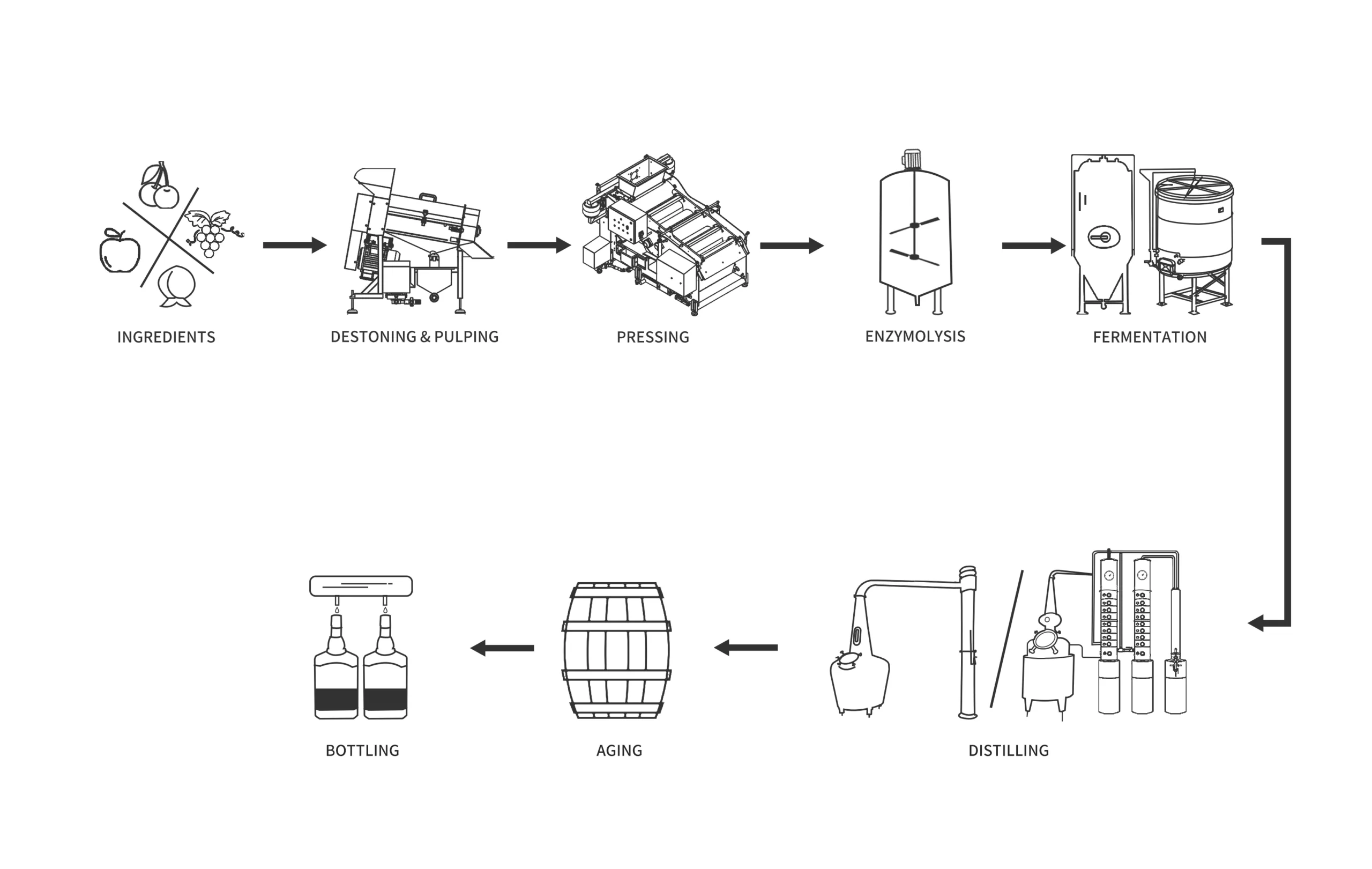
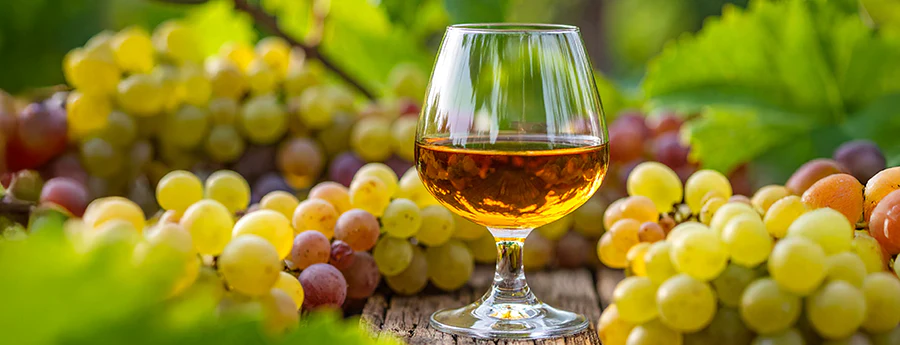
Distilling Premium Brandies: From fruit to glass
Every exceptional brandy begins with a story written in sugar. While traditionalists reach for white varietal grapes—Chardonnay, Ugni Blanc, Colombard—the distiller’s canvas extends far beyond the vineyard. Today’s innovative producers craft distinctive spirits from berries, sugarcane, honey, rice, grains, and even tubers. Each base material imprints a unique character on the final spirit.
The fermentation process transforms these sugars into a wash ready for distillation. White grape wines typically develop moderate alcohol content over several days of controlled fermentation. This initial conversion is where professional-grade fermentation equipment proves essential—temperature-controlled tanks, precise monitoring systems, and sanitary design that prevent contamination while encouraging healthy yeast activity.
The Distillation Process
Once fermentation is completed, the magic of concentration begins. The fermented wash moves through filtration into the heart of any distillery: the still itself. Here, heat separates alcohol from water based on their different boiling points, creating the initial distillate and capturing the essence of your base material.
Pot Still vs. Column Still:
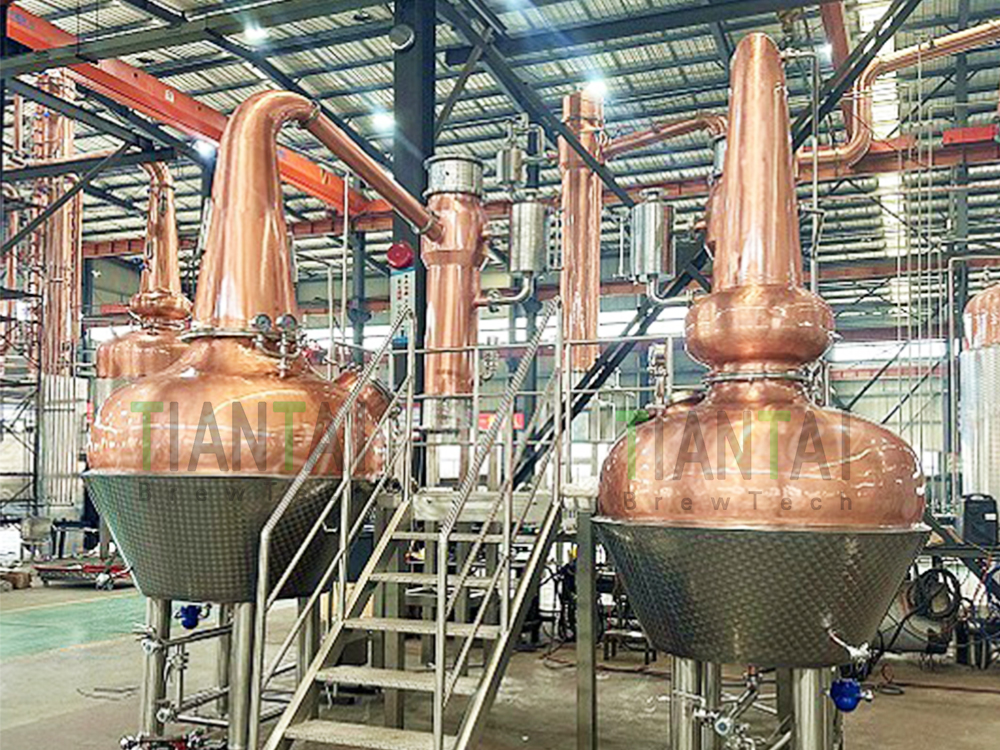
Brandy production offers flexibility in equipment selection, and your choice shapes the final character:
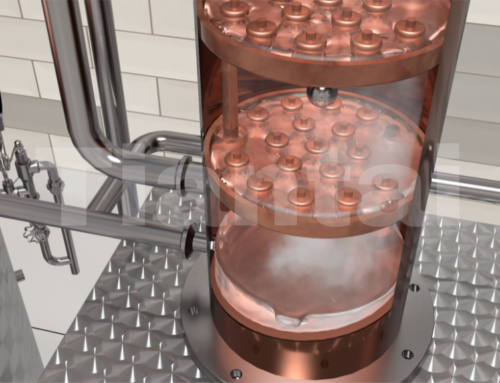
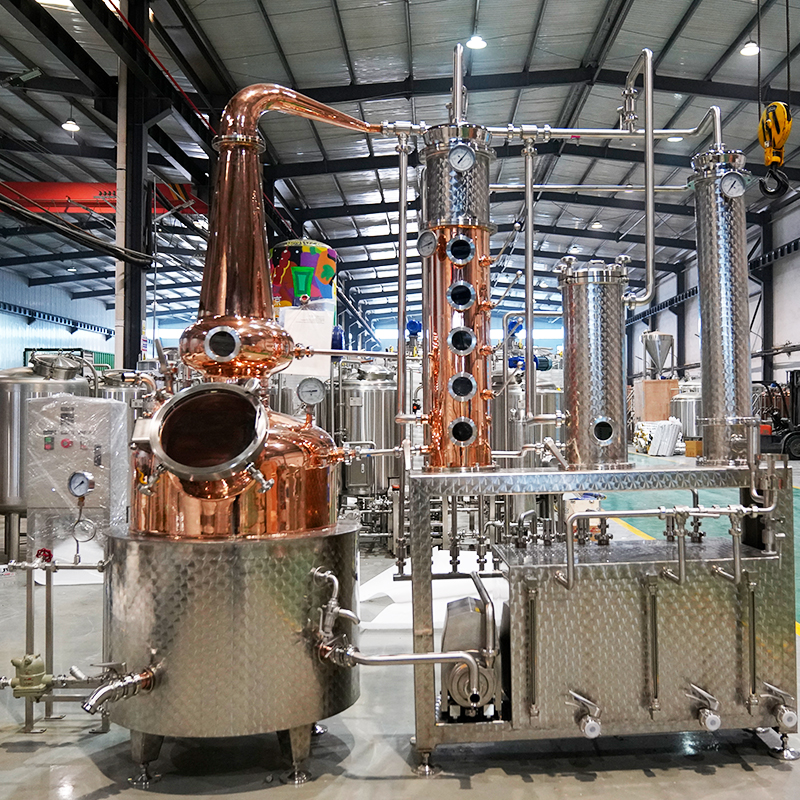
Traditional Pot Stills – Favored by Cognac and premium fruit brandy producers, these batch systems excel at preserving delicate aromatics. The onion-shaped copper vessels and carefully angled lyne arms create reflux that concentrates flavor compounds. Artisanal pot still configurations with precise temperature control allow distillers to make nuanced cuts that define house style.
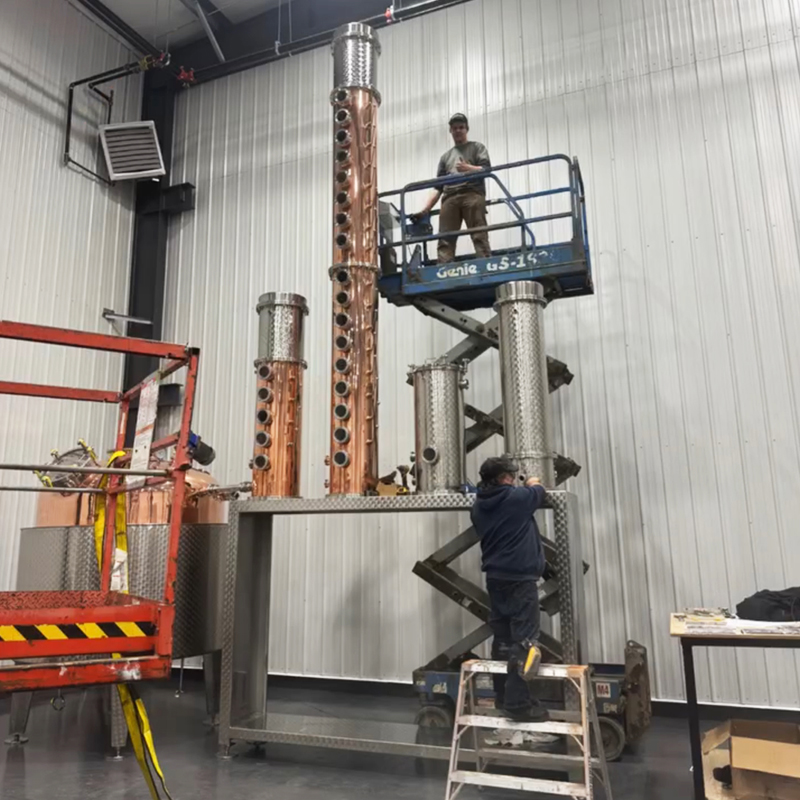
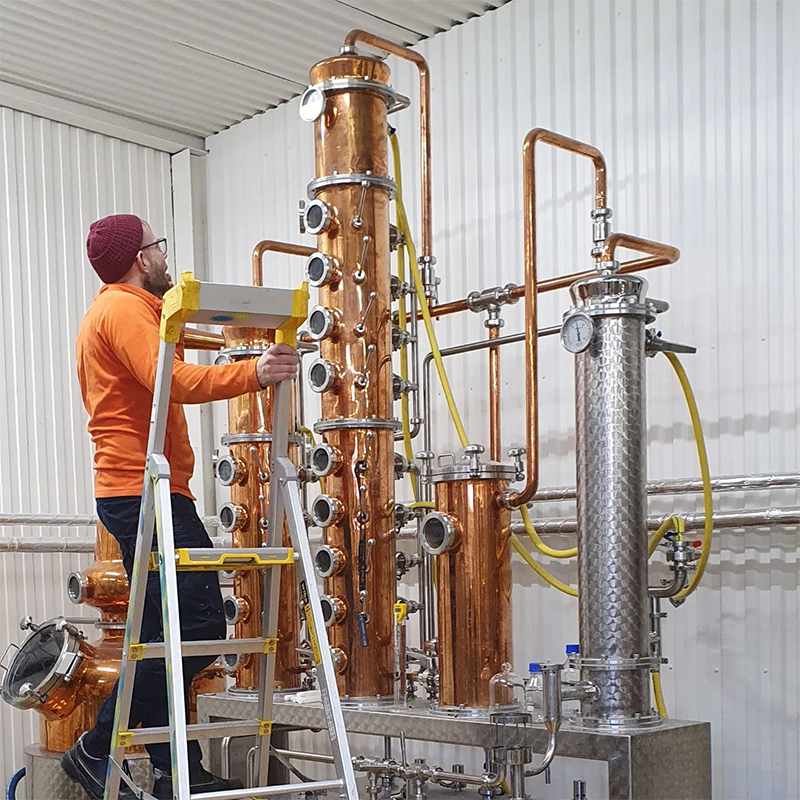
Continuous Column Stills – Offering efficiency and consistency for larger operations, these systems use stacked plates or packing material to create theoretical separation stages. Modern column still technology incorporates automated control systems that maintain steady operation while allowing adjustment for different base materials.
The initial distillation produces a spirit of moderate strength—capturing the raw character of your fermented base. A second distillation, traditionally called la bonne chauffe in French practice, further refines and concentrates this spirit to a higher proof while developing complexity.
What Makes Brandy Different
Unlike whiskey production, where distillers often pursue neutrality, brandy celebrates flavor retention. The goal isn’t to strip away character—it’s to concentrate and purify the essence of your base material. This philosophy demands distillation equipment designed for aromatic preservation:
- Gentle heating systems that prevent scorching delicate fruit compounds
- Copper contact optimization for sulfur compound removal without stripping esters
- Precise condenser temperature control to capture volatile aromatics
- Fraction collection systems that allow sensory-based cut decisions
The Patience of Aging
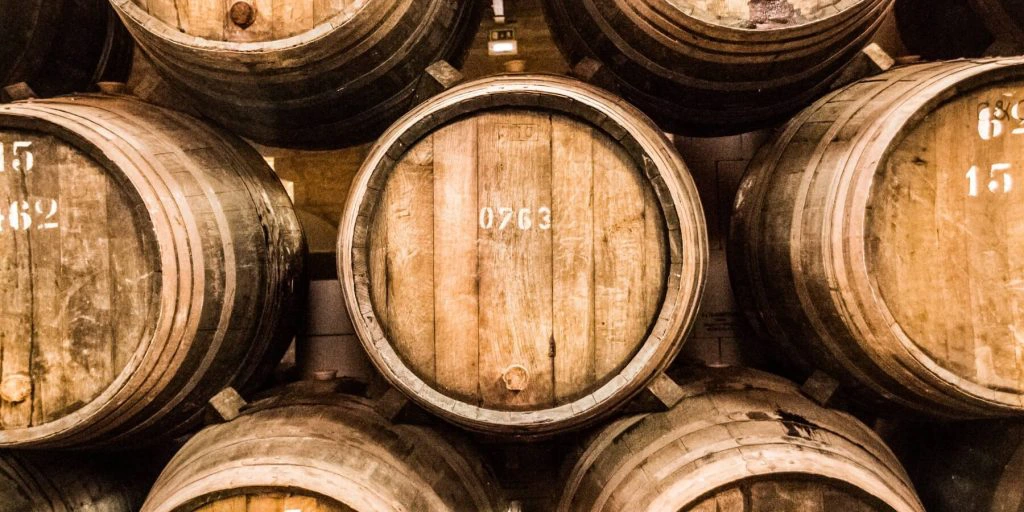
After distillation, brandy embarks on its longest journey. Transfer from still to cask—typically oak—begins a transformation measured in years, sometimes decades. Within those wooden vessels, the spirit breathes, extracting tannins, lignins, and vanillin while slowly losing alcohol through evaporation.
This “angel’s share” represents both cost and character development. As alcohol percentage gradually decreases, fruit flavors become more pronounced relative to ethanol intensity. The result is a softer, more complex spirit that commands premium positioning.
Barrel Management as Competitive Advantage
Aging inventory represents a significant capital investment. Professional barrel storage systems protect that investment:
- Climate-controlled warehouses maintain optimal temperature and humidity
- Racking systems enabling efficient inventory rotation and access
- Leak detection technology prevents costly losses
- Inventory management software tracks age, fill dates, and location
Unlike wine, brandy stops evolving once bottled. The barrel time is irreplaceable—making cask selection and management critical to final quality.
Pomace Brandy
Sustainable distillers maximize their raw materials through pomace brandy production. The solid residue remaining after wine pressing—skins, seeds, stems—still contains fermentable sugars and aromatic compounds. Compacting and redistilling this material creates distinctive spirits that preserve intense original wine character.
Unlike wood-aged brandies, pomace spirits typically see additional filtration and immediate bottling. This approach captures vibrant, fresh flavors that aging might diminish or obscure. Specialized pomace processing equipment includes compacting systems, dedicated still configurations, and filtration technology suited to high-solid-content distillation.
Blending for Excellence
The finest brandies—Cognac, Armagnac, premium offerings worldwide—are rarely single-cask products. Master blenders artfully combine spirits from different vineyard sections, harvest years, and aging periods to create consistent house styles that transcend vintage variation.
This blending process occurs before final bottling, often involving:
- Sample evaluation protocols assessing hundreds of potential components
- Precision Measurement Tools: Ensuring accurate proportions
- Gentle mixing systems that integrate without damaging delicate aromatics
- Quality verification testing confirming stability and consistency
Final preparation may include careful dilution to target proof, using distilled water that won’t introduce off-flavors. Some producers add minimal sugar or caramel for color consistency—a traditional practice that modern blending systems execute with precision impossible in manual operations.
Building Your Brandy Operation
Whether you’re starting a new distillery or expanding existing capabilities, equipment selection determines your product possibilities. The brandy producer’s toolkit spans from fermentation through final packaging:
Essential Production Systems
Fermentation Infrastructure
- Temperature-controlled washbacks or tanks
- Automated monitoring and control systems
- Sanitary design for contamination prevention
- Capacity matched to distillation schedule
Distillation Equipment
- Copper pot stills with traditional or enhanced configurations
- Continuous column systems for volume production
- Hybrid approaches combining both methodologies
- Integrated heating, control, and condensing systems
Aging and Storage
- Oak barrel procurement and management
- Climate-controlled warehouse facilities
- Inventory tracking and rotation systems
- Quality monitoring during maturation
Finishing and Packaging
- Blending tanks with agitation and temperature control
- Filtration systems for clarity and stability
- Bottling lines with oxygen management
- Labeling and case packing equipment
Ready to craft your signature brandy? Our distillery equipment specialists understand the nuances of spirit production—from fruit selection through final bottling. Contact us to design a system that honors tradition while delivering modern consistency and efficiency.