How to Increase the Alcohol Content of Home brewed Kombucha
Kombucha, a fermented tea with a rich history spanning thousands of years, is well-known for its unique sweet and sour flavor as well as its potential health benefits. But for homebrewers, kombucha offers more than just flavor and wellness,it also provides an opportunity to create an alcoholic beverage! Kombucha typically contains between 1% and 3% alcohol by volume (ABV), but with a few adjustments to the brewing process, this alcohol content can be increased.
In this article, Tiantai will explore how to increase the alcohol content of homemade kombucha, and also highlight the techniques used by professional brewers to craft high-alcohol kombucha.
Professional Brewers and High-Alcohol Kombucha
In recent years, the demand for higher-alcohol kombucha has grown significantly. Many commercial kombuchas now range from 4.5% to 8% alcohol. As the market has expanded, craft breweries have jumped on the trend, experimenting with different yeasts and fermentation methods to achieve stronger kombucha.
Professional brewers enhance alcohol production by adding extra brewing yeast and selecting specific yeast strains that thrive in kombucha’s acidic environment. Their dedication to quality and innovation demonstrates how the kombucha market continues to evolve, becoming a viable competitor to other alcoholic beverages.
Homemade High-Alcohol Kombucha
Why buy high-alcohol kombucha when you can brew it yourself? For experienced homebrewers, making high-alcohol kombucha is both feasible and enjoyable. However, this process can be tricky. As alcohol levels rise, the kombucha becomes more acidic, leading to a more sour and astringent taste. The key to balancing flavor and alcohol content lies in adjusting the ingredients and fermentation process.
Three Key Steps to Increase the Alcohol Content of Kombucha
Step 1: Add Yeast
Yeast plays a crucial role in kombucha fermentation, converting sugars into alcohol. The more yeast you add, the more alcohol will be produced. It’s essential to choose the right type of yeast for the job. While baking yeast may work for other recipes, wine yeast, brewer’s yeast, and distiller’s yeast are better suited for kombucha due to their ability to handle the acidity of the brew.
Additionally, using the liquid from the bottom of your previous batch is a great way to boost yeast concentration. This liquid is rich in yeast and can help jumpstart fermentation for the next batch, aiding in alcohol production.
Secondary fermentation is also key to increasing alcohol content. During secondary fermentation, kombucha is sealed in bottles or containers with limited oxygen. This lack of oxygen prevents the bacteria from consuming the alcohol produced by the yeast, allowing more alcohol to remain in the liquid. Don’t filter out the sediment (the yeast and SCOBY remnants) during secondary fermentation, as this can further promote alcohol production.
Step 2: Add Sugar
Yeast requires sugar to produce alcohol. So, by increasing the sugar content during fermentation, you can boost alcohol production. You can add sugar during both the primary and secondary stages of fermentation, but sugar has the most significant effect during secondary fermentation.
In the primary fermentation stage, consider increasing the sugar content by up to 50%, depending on the brewing volume. This extra sugar provides more food for the yeast, helping them produce more alcohol.
Many homebrewers also add fruit juice or puree during secondary fermentation, which increases the sugar content. However, adding sugar directly,uch as white or brown sugar,is more effective because yeast can break it down more easily, leading to more alcohol production.
Step 3: Increase Brewing Time
The length of fermentation is another important factor in determining the alcohol content of your kombucha. The longer the kombucha ferments, the more time the yeast has to consume the sugar and produce alcohol. While primary fermentation typically takes about 7-10 days, you can extend this time up to 14 days to produce a higher alcohol yield.
Secondary fermentation is especially important for alcohol production, so extending this phase is essential for achieving higher ABV. However, as fermentation time increases, the kombucha’s acidity also increases, resulting in a more sour taste. To maintain flavor balance, it’s important to monitor the fermentation process carefully.
Store your kombucha in a warm, dark place (ideally between 70-80°F or 21-27°C) to keep the fermentation environment optimal. The longer the fermentation, the more carbonation will develop. To prevent the bottle from exploding due to excess pressure, vent your bottles periodically to release excess carbon dioxide. Always use high-quality, pressure-resistant bottles to ensure safety.
Testing the Alcohol Content of Kombucha
After all the effort put into increasing your kombucha’s alcohol content, you’ll want to know whether your efforts were successful. While there are several methods for testing the alcohol content, it’s important to understand that home brewing tools like hydrometers and refractometers can only provide an estimate of alcohol content (ABV), not an exact measurement.
For a more accurate result, you can send a sample of your kombucha to a laboratory for professional alcohol content testing. Although this option can be more expensive, it will provide you with an exact ABV percentage.
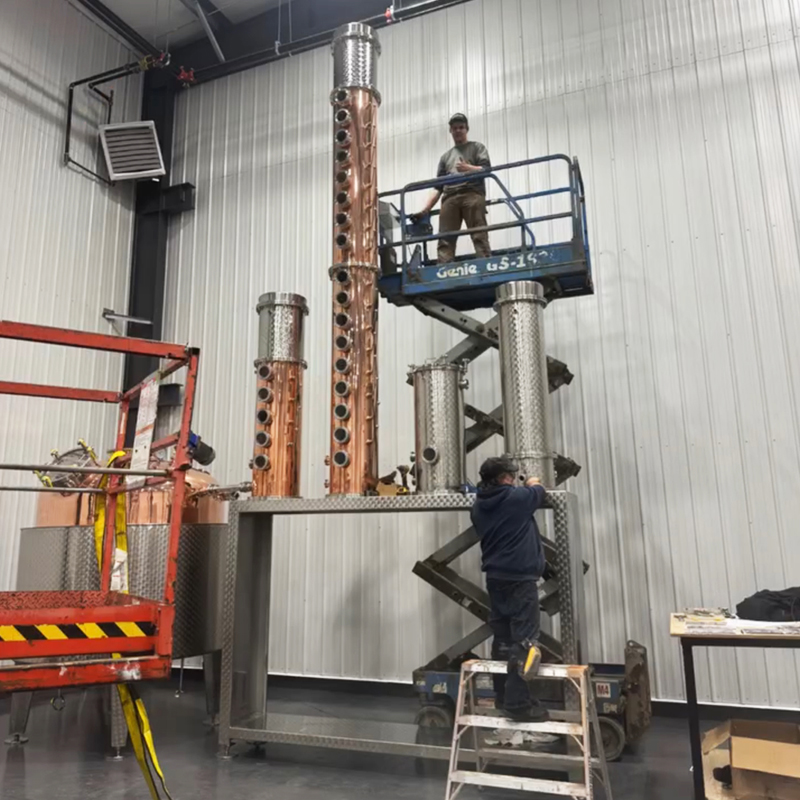
If you’d like to learn more about the kombucha brewing process or are looking for professional brewing equipment, TianTai offers a range of products and services to help you with your brewing needs.