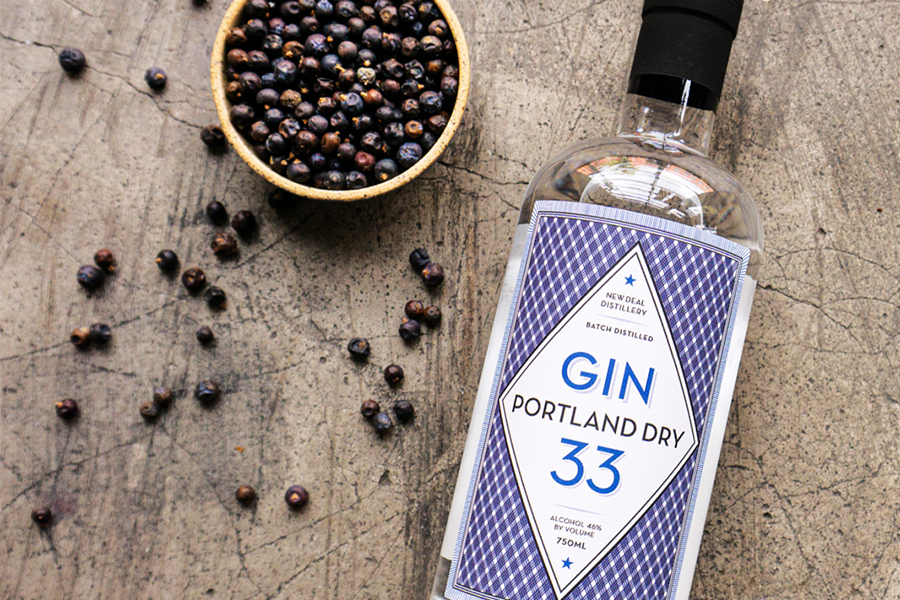
The Use of Juniper Berries in Gin
Gin is celebrated worldwide for its distinctive flavor, which largely comes from a single botanical ingredient: juniper berries. Understanding their origins, characteristics, and role in distillation reveals why they are indispensable in gin production.
The Origin of Juniper Berries
Contrary to their name, juniper berries are not true berries—they are the seed cones of the juniper tree. These small cones develop over time into deep blue or purple structures, rich in essential oils and aromatic compounds.
Historically, juniper berries were highly valued long before their use in spirits. Ancient civilizations prized them for medicinal purposes, believing they offered antibacterial, digestive, and purifying benefits. It was not until early European distillers began experimenting with spirits that juniper berries became a defining ingredient of gin.
Today, regulatory standards in many regions still require that the primary flavor of gin come from juniper berries, highlighting their irreplaceable role.
Juniper Berry Aroma
Juniper berries are known for their pine-like flavor—crisp, resinous, and invigorating. Their complex volatile compounds, including terpenes and essential oils, are released and transformed during distillation.
These distilled berries provide a multi-dimensional aroma, making them both the foundation of gin and a harmonizing element. They blend seamlessly with other botanicals such as coriander seeds, angelica root, citrus peel, orris root, and exotic spices.
Distillation Process
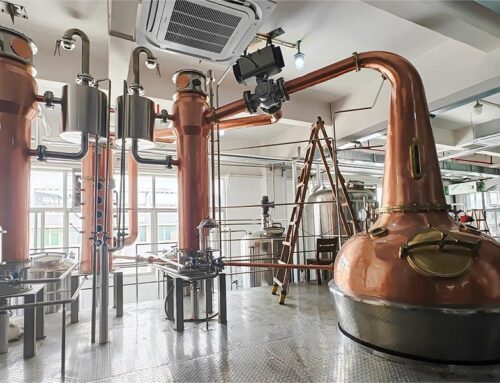
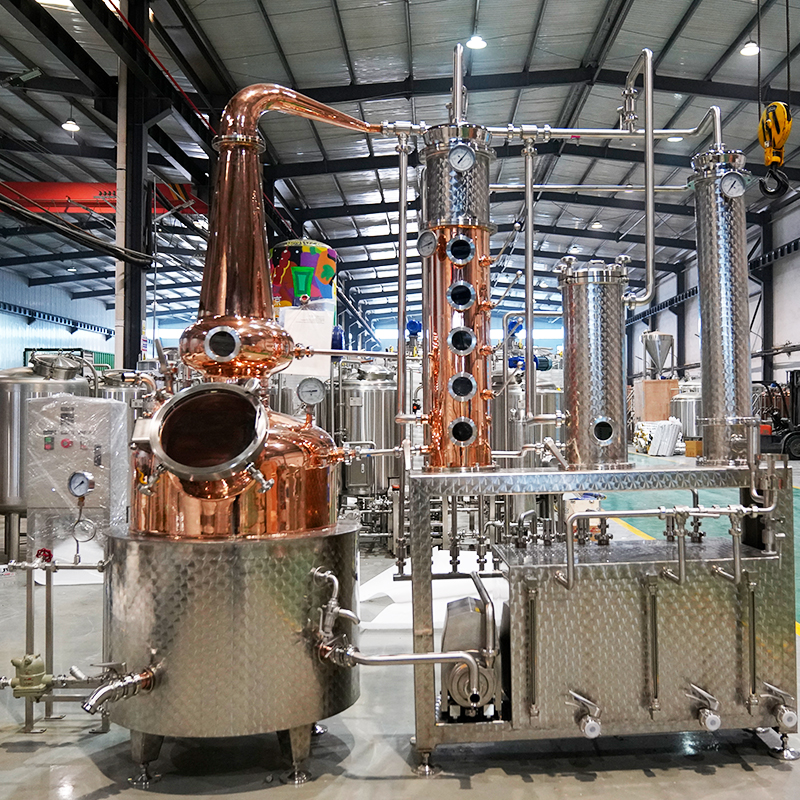
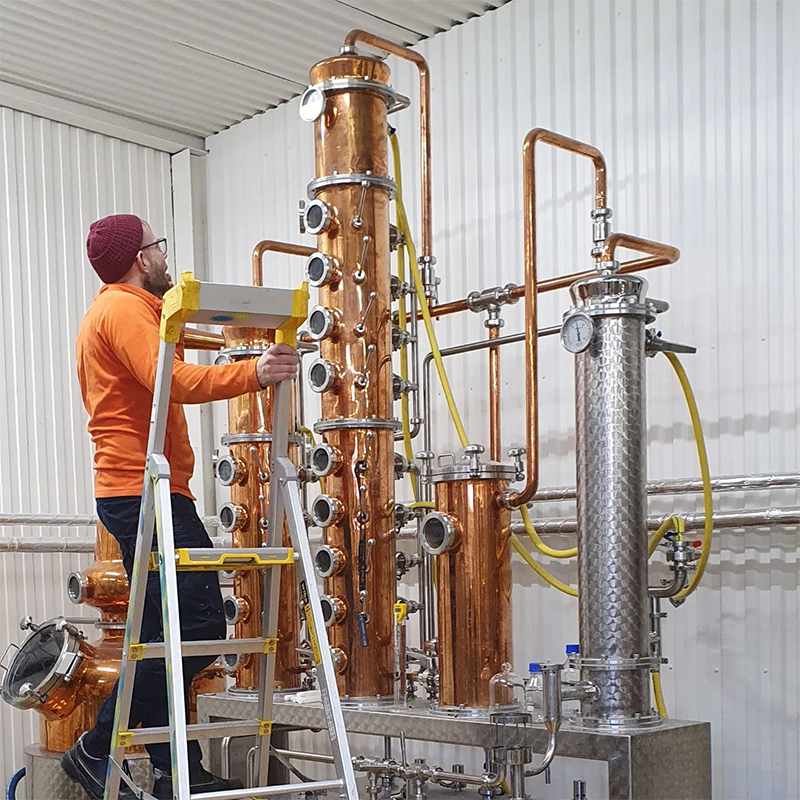
High-quality gin production relies heavily on distillation equipment design and performance. One of the most widely used systems is the traditional copper pot still. A typical setup includes a still pot (for heating the base spirit), a distillation column or neck (for vapor rise), and a condenser (where vapor is converted back to liquid).
Maceration
In this method, juniper berries and botanicals are steeped directly in a neutral spirit before distillation. This allows for a deep extraction of oils and compounds, producing a richer, fuller-bodied gin.
Vapor Infusion
Also called steam infusion, this technique suspends botanicals in the path of rising alcohol vapor. The vapors gently extract essential oils, resulting in a lighter, more refined gin that emphasizes delicate aromas over heavy body.
Many distillers combine these techniques to achieve a well-balanced flavor profile.
The Gin Basket
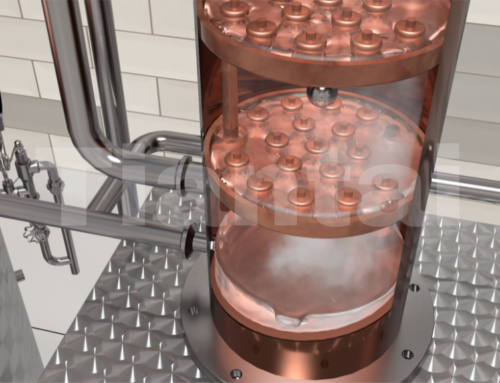
A key innovation in vapor infusion is the Gin basket, a crucial tool for precise botanical extraction.Typically made of stainless steel or copper mesh,Gin baskets are placed in the neck of the still or within the steam passage. They hold juniper berries and other botanicals without direct contact with the base spirit. As vapors rise, they pass through the basket, gently extracting essential oils and aromatic compounds in a controlled manner.
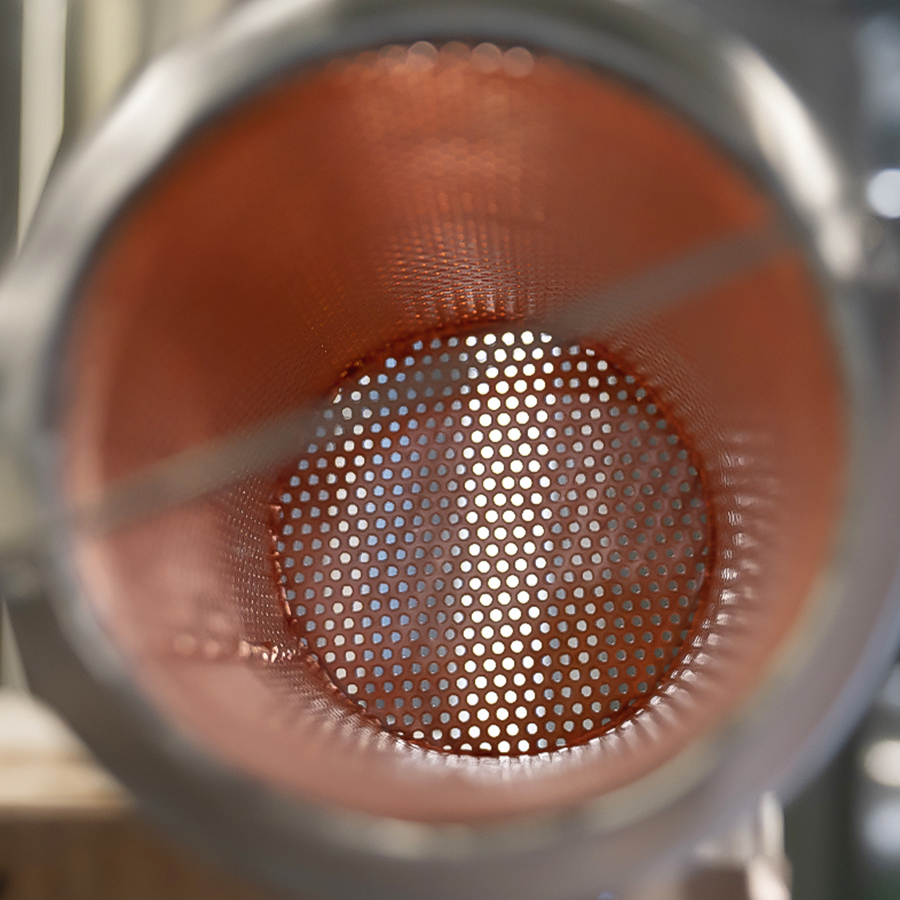
This indirect approach prevents overheating and reduces the risk of bitterness or harshness. By adjusting botanical quantity, layering, cut size, and basket placement, distillers can fine-tune aroma and flavor. Advanced systems can even use multiple baskets to separate botanicals, enabling greater customization and consistent results.
From their ancient medicinal use to their status as the signature element of gin, juniper berries reflect a remarkable blend of tradition and technological advancement. Today’s distillers combine centuries-old techniques with modern equipment, using tools like the juniper basket to unlock the full potential of this extraordinary plant.
For those seeking to craft exceptional gin, Tiantai offers customized distillery solutions, helping you bring precision, innovation, and flavor excellence to every batch.