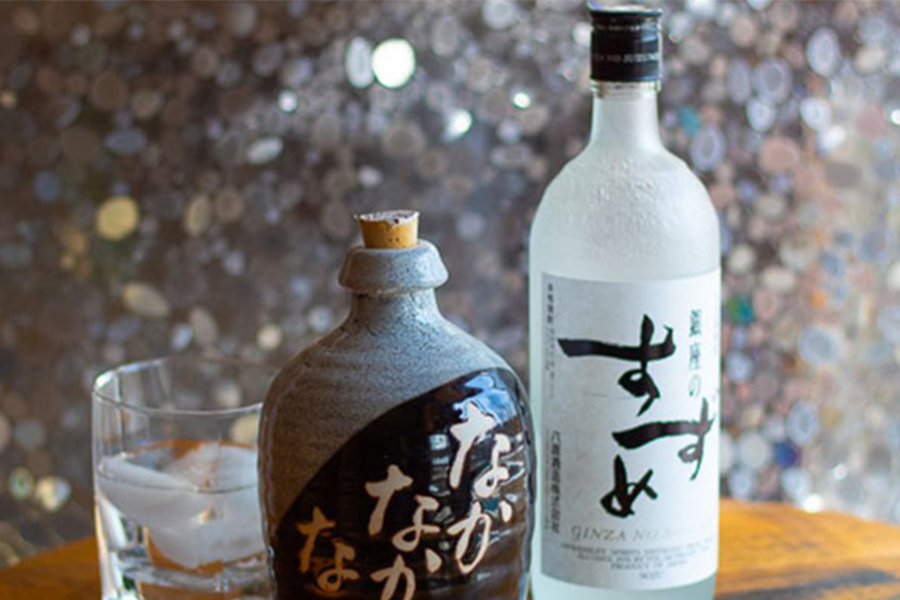
The Brewing Process of Honkaku Shochu
What is Shochu?
Shochu is a traditional Japanese distilled spirit, highly esteemed for its light, smooth, yet complex flavor profile. Unlike brewed sake, Shochu is produced through a distillation process; consequently, it possesses a higher alcohol content, typically ranging between 25% and 35%. The ingredients used to brew Shochu are remarkably diverse, including rice, barley, sweet potatoes, buckwheat, brown sugar, chestnuts, and even milk. This diversity of ingredients gives rise to Shochu’s rich and varied flavors, making it a unique embodiment of Japanese culinary and cultural traditions.
Types of Shochu
Based on brewing methods and tax regulations, Japanese Shochu can be broadly categorized into two main types: Honkaku Shochu and Korui Shochu.
The term Honkaku translates to traditional, authentic, or genuine. Honkaku Shochu adheres to strict regulations regarding ingredients and must be produced using a single-distillation process, thereby preserving the rich aromas and distinct flavors of the raw materials.
Korui Shochu, on the other hand, is produced using a continuous distillation process; it features a clear, neutral taste with virtually no aroma, making it particularly well-suited for use in cocktails. Its ingredients are highly varied, ranging from molasses and pure alcohol to various grains.
While both fall under the general category of Shochu, Honkaku Shochu is widely regarded as the higher-quality and more traditional choice, prized for its emphasis on authentic flavor and character.
The Production Process of Honkaku Shochu
1. Selection of Base Ingredients
The brewing of Honkaku Shochu begins with the careful selection of raw materials. Each base ingredient imparts a unique flavor profile to the finished spirit:
Sweet Potato (Imo): Imparts a rich, earthy aroma and a naturally sweet taste.
Barley (Mugi): Lends a nutty fragrance and a mild, gentle mouthfeel.
Rice (Kome): Produces a spirit with exceptional purity and a refined, delicate texture.
The quality of these ingredients is paramount, as Honkaku Shochu is produced using a “single-distillation” method; this means that the original flavors of the base ingredients are vividly and distinctly preserved in the final product.
2. Koji Production
“Koji” is regarded as the spiritual pillar of Honkaku Shochu, providing the vital enzymes necessary for the saccharification and fermentation processes. In Shochu brewing, rice koji is the most widely utilized medium, primarily involving three common strains of Aspergillus mold: White Koji, Black Koji, and Yellow Koji. Black Koji—distinguished by its high acidity and potent antibacterial properties—is predominantly used in the production of sweet potato Shochu; White Koji imparts a crisp, refreshing character to the spirit and is frequently employed in brewing rice and barley Shochu; while Yellow Koji contributes an elegant and mellow flavor profile.
Steamed rice is spread evenly across the floor of a sterile koji-making chamber, after which Aspergillus spores are sprinkled uniformly over it. The temperature within the chamber is strictly maintained between 25°C and 30°C, alongside a constant level of humidity. Staff members periodically turn over the rice piles to ensure that the *Aspergillus* mycelia grow evenly and thoroughly. After approximately two days of cultivation, a mature koji is formed, its surface blanketed in a dense layer of white mycelia; this finished koji exudes a pure, distinct aroma and is rich in active enzymes.
3. Two-Stage Fermentation
Primary Fermentation
The koji, along with purified water and specialized brewing yeast, is introduced into a fermentation tank to undergo a low-temperature, sealed fermentation process. The fermentation temperature is controlled within the range of 15°C to 20°C—a measure designed to inhibit the proliferation of harmful bacteria while preserving the delicate aromatic nuances of the spirit. This process spans five to seven days, during which the yeast becomes fully activated, and the initial saccharification is completed, ultimately yielding a “Shubo” (yeast starter) characterized by stable acidity and a pure microbial flora.
Secondary Fermentation
The steamed main ingredients (such as sweet potatoes or barley) are added to the Shubo, accompanied by the proportional addition of a suitable amount of water. The brewmaster stirs the fermenting mash daily to ensure a balanced distribution of temperature and oxygen levels throughout the mixture. This secondary fermentation phase continues for one to two weeks. During this period, the starches present in the raw materials are thoroughly converted into sugars; subsequently, under the action of the yeast, these sugars are further broken down into alcohol and carbon dioxide, simultaneously generating a diverse array of aromatic esters. Upon the completion of fermentation, the cloudy “Moromi” mash possesses an alcohol content of approximately 15% to 20%, while retaining the rich, authentic aromas inherent to its raw ingredients.
4. Single Distillation
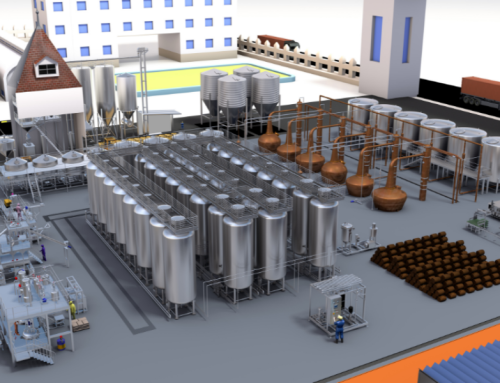
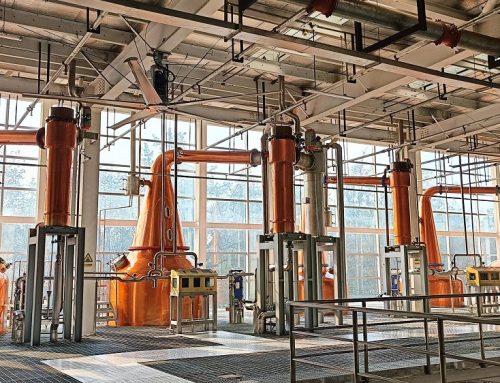
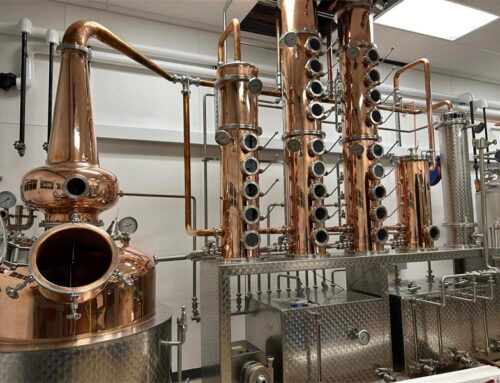
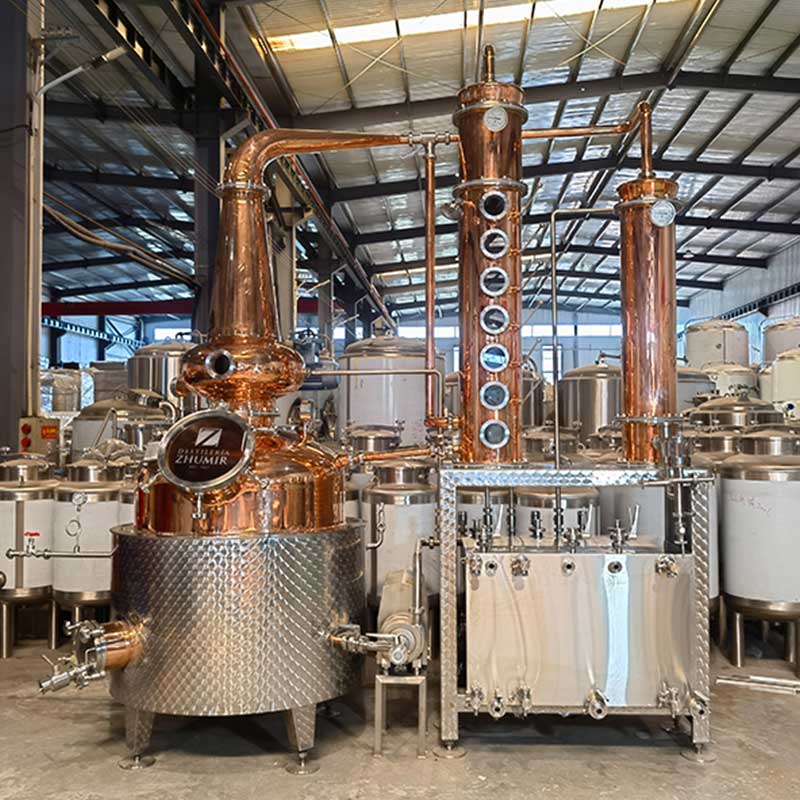
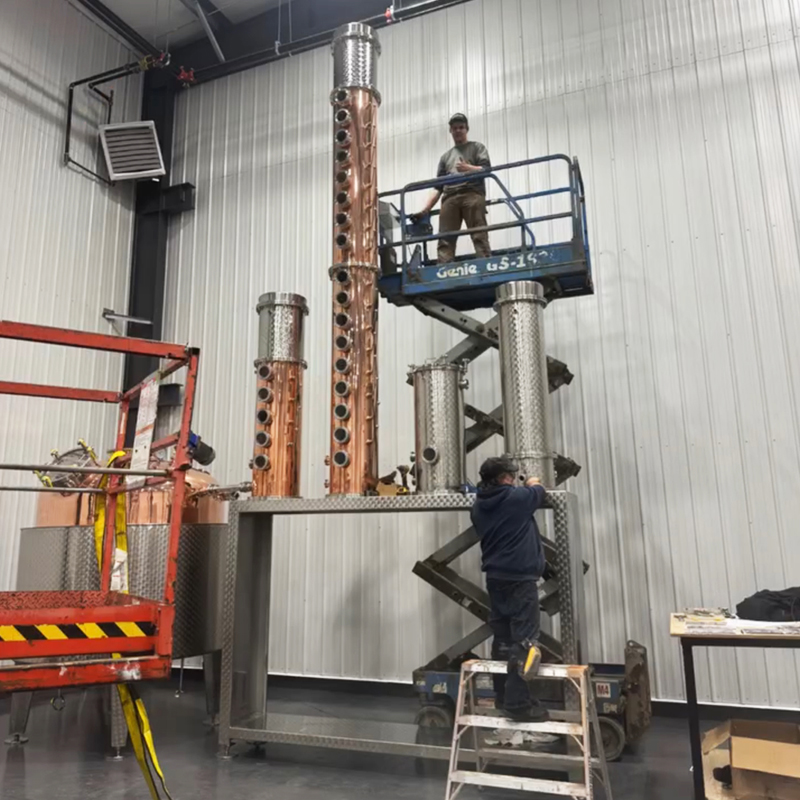
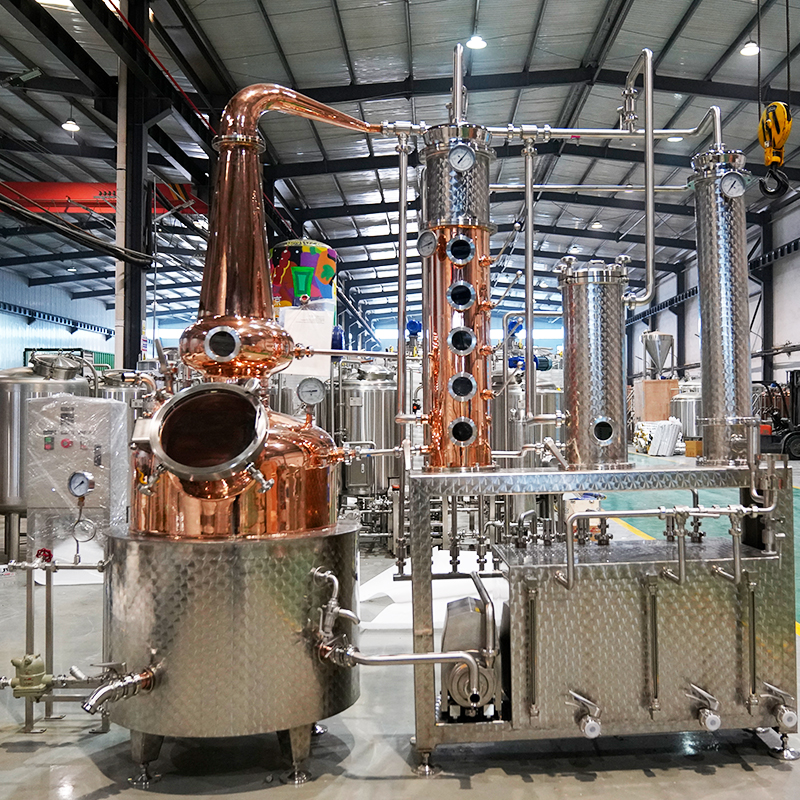
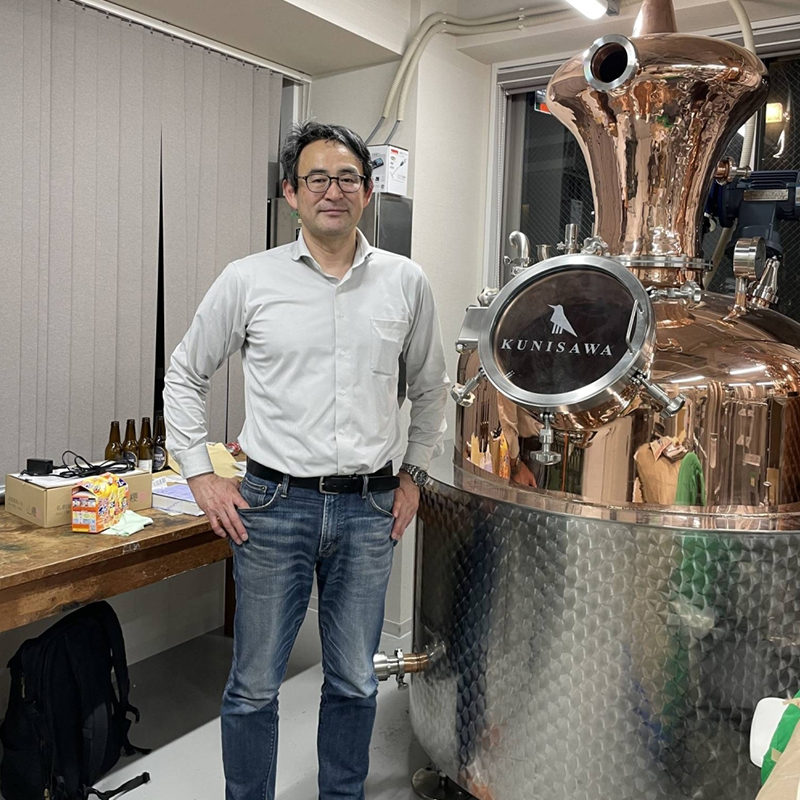
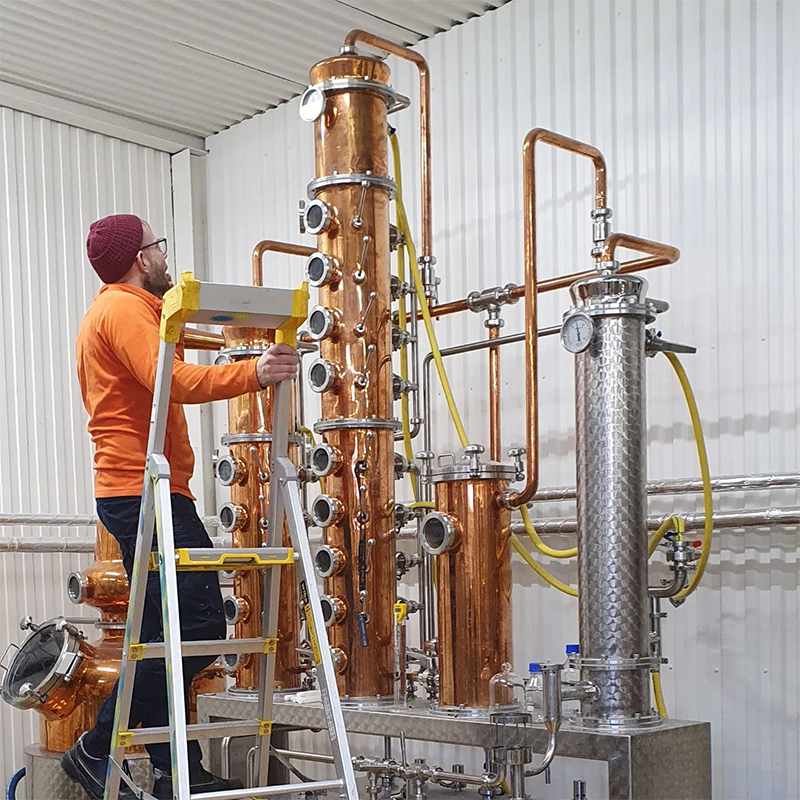
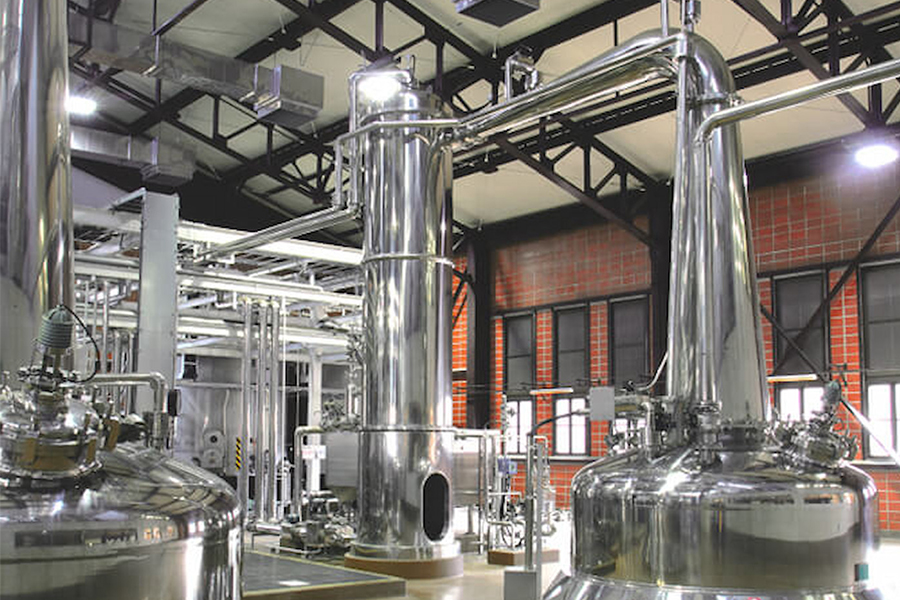
Traditionally, Honkaku Shochu (Authentic Shochu) undergoes a single distillation process using pot stills. This characteristic distinguishes it from many other spirits—which often require multiple distillations to eliminate impurities. The single-distillation method preserves the essence of the raw ingredients, allowing their subtle flavors and aromas to fully manifest.
During distillation, the master distiller closely monitors the temperature to precisely separate the “heads,” “hearts,” and “tails,” ensuring that only the purest portion—the “hearts”—is collected.
5. Maturation and Bottling
Once distillation is complete, Honkaku Shochu typically undergoes a short maturation period in stainless steel tanks, allowing its flavors to mellow and harmonize. Unlike whisky or brandy, Honkaku Shochu does not emphasize long-term aging in oak barrels; its production philosophy prioritizes maintaining the purity of the spirit and the authentic flavors of the raw ingredients themselves.
Following the maturation process, the Shochu is diluted with water to achieve the desired alcohol concentration (typically around 25% ABV) before being bottled. The result is a spirit with a clean palate and elegant character—perfect for enjoying neat, on the rocks, or diluted with water.
Shochu is more than just a distilled spirit; it is a testament to Japanese tradition, exquisite craftsmanship, and a deep respect for natural ingredients. From the meticulous selection of raw materials to the scrupulous fermentation and single-distillation processes, every step is designed to highlight the essence of the ingredients—whether rice, barley, or sweet potato. Honkaku Shochu embodies the very soul of Japanese distillation artistry, offering an authentic and unforgettable drinking experience. If you are interested in the production of Shochu, we are ready to provide you with a comprehensive solution.