Commercial Rum Production Process: From Molasses to Premium Rum with Modern Distillery Equipment
Rum is one of the world’s most popular distilled spirits, enjoyed in cocktails, premium sipping expressions, and culinary applications. While traditional rum-making techniques differ across the Caribbean, Latin America, and other producing regions, large-scale commercial rum production follows a well-established industrial process that combines fermentation science, precision distillation, aging, and automated packaging.
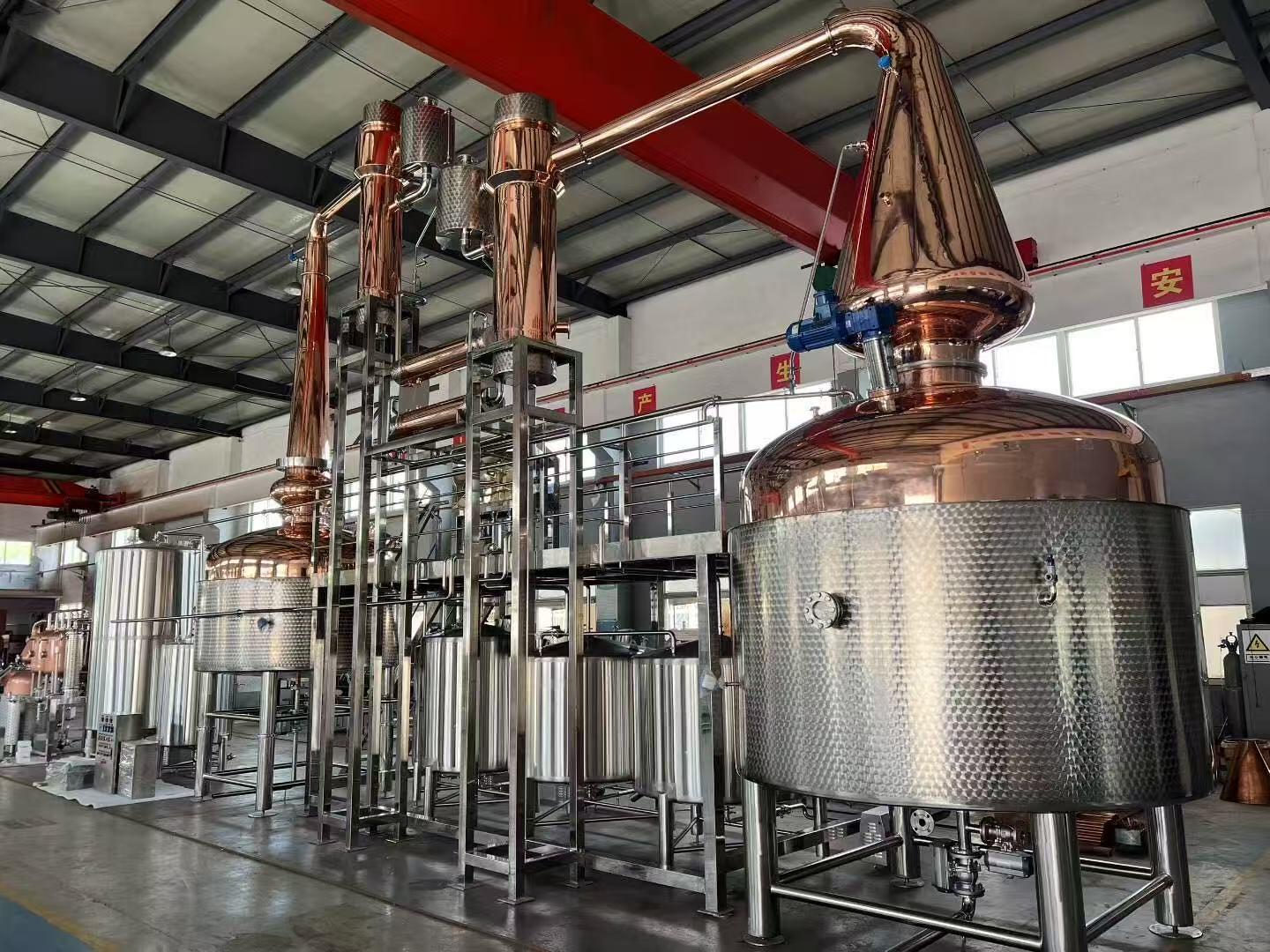
For a distillery looking to increase production efficiency while maintaining consistent product quality, selecting reliable distillery equipment is just as important as choosing quality raw materials. Tiantai Distillery Equipment Manufacturer provides complete turnkey rum production lines, including raw material pretreatment systems, fermentation tanks, distillation equipment, aging solutions, and automated filling lines.
Raw Material Preparation: Building the Foundation of Quality Rum
Commercial rum is primarily produced from either:
- Sugarcane molasses
- Fresh sugarcane juice
- Sugarcane syrup
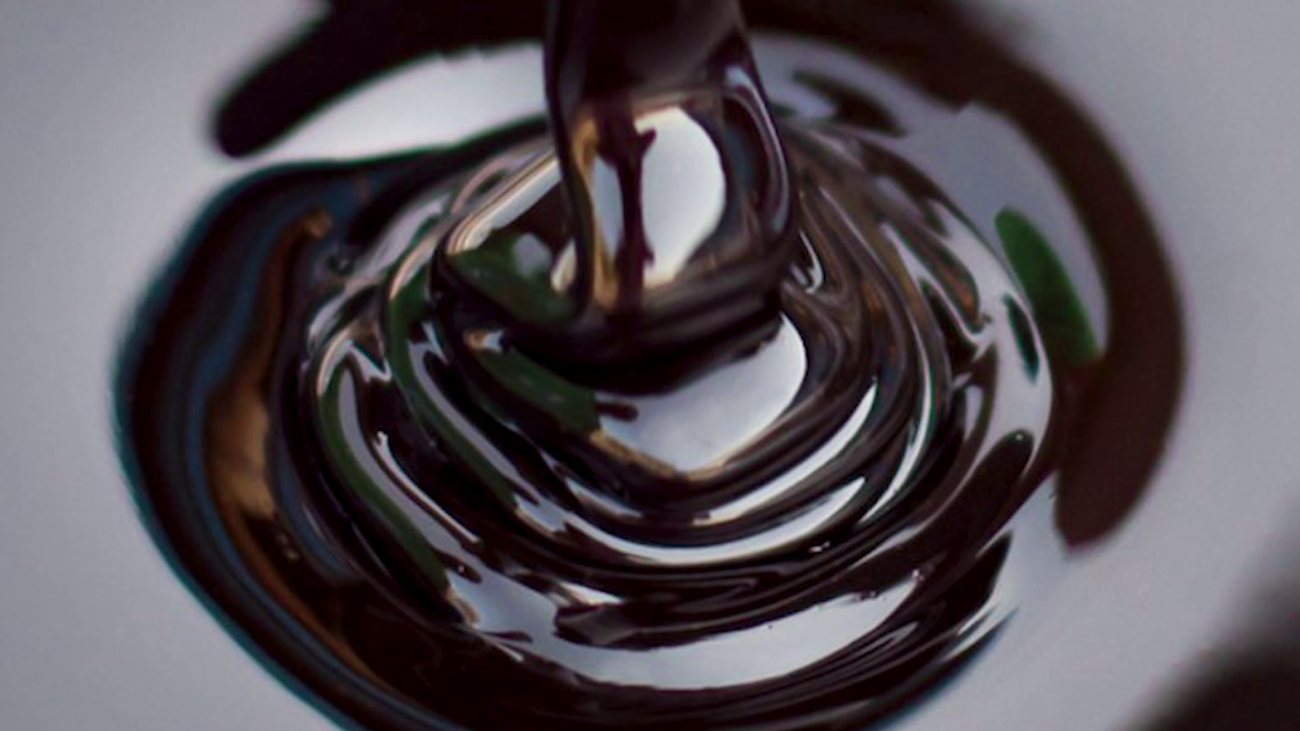
Among these, molasses remains the preferred choice for large-scale distilleries due to its stable supply, lower cost, and high fermentable sugar content. Before fermentation, molasses must be diluted with water, adjusted to the appropriate sugar concentration, and filtered to remove suspended solids and impurities that could affect fermentation or cause scaling inside distillation equipment.
Tiantai Raw Material Pretreatment Solutions
To improve production efficiency, Tiantai offers:
- Molasses dilution and mixing systems
- Raw material storage tanks
- Filtration equipment
- Automated dosing systems
These integrated solutions help distilleries maintain consistent fermentation quality while reducing labor costs.
Controlled Fermentation: Creating the Flavor Profile
Fermentation is where rum begins to develop its unique character.
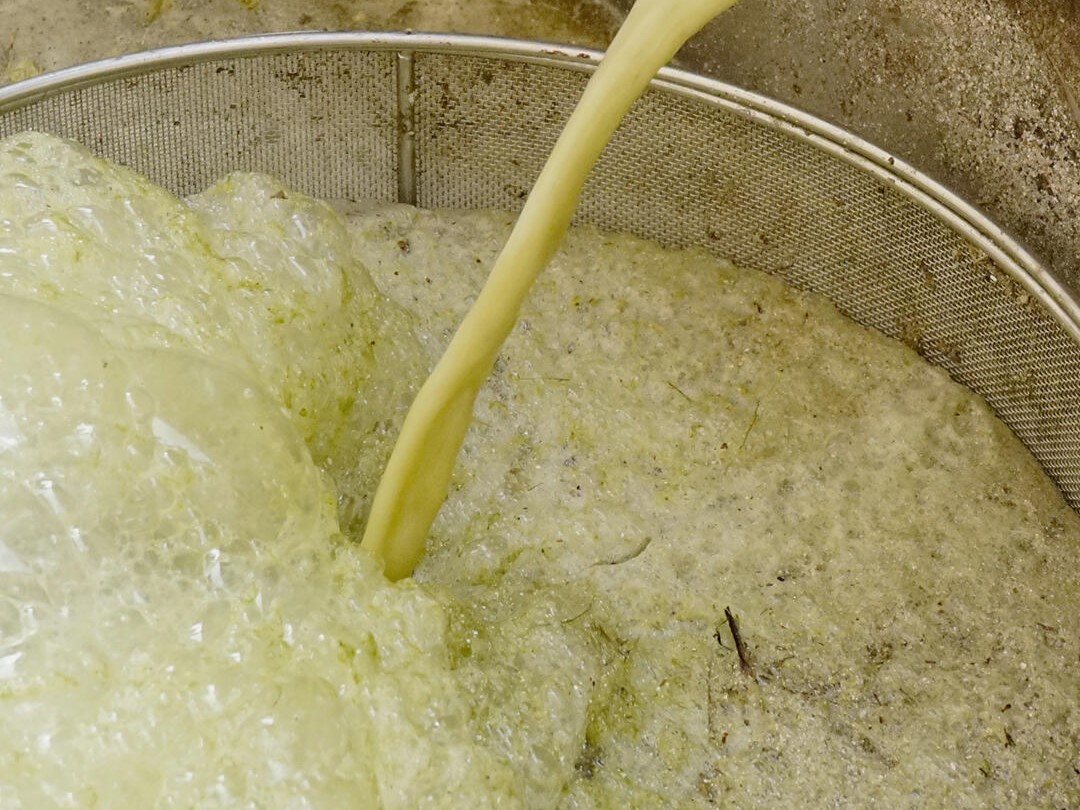
Industrial distilleries typically inoculate diluted molasses with selected yeast strains, most commonly Saccharomyces cerevisiae. Some specialty producers also use Schizosaccharomyces pombe, which can generate higher levels of fruity esters such as ethyl acetate, creating distinctive aromatic profiles. Different yeast strains directly influence the final flavor, alcohol yield, and fermentation efficiency.
Temperature control is critical throughout fermentation. Commercial rum fermentation generally lasts between 24 and 72 hours, although premium and high-ester rums may ferment for significantly longer.
Tiantai Fermentation Equipment
Tiantai manufactures customized stainless steel fermenters featuring:
- Jacketed cooling systems
- Automatic temperature control
- PLC automation
- Agitation options
- CIP compatibility
These systems provide stable fermentation conditions, maximize alcohol conversion, and improve batch consistency.
Distillation: Producing the Desired Rum Style
Distillation separates alcohol from the fermented wash while shaping the rum’s flavor profile.
Commercial producers generally use one of two methods:
Pot Still Distillation
Traditional copper pot stills retain more congeners and aromatic compounds, producing full-bodied, flavorful rums favored by many premium brands.
Column Still Distillation
Continuous column stills operate at higher efficiency and produce lighter, cleaner spirits suitable for high-volume commercial production. Many large rum producers combine pot-still and column-still spirits to achieve their desired house style.
Tiantai Distillation Systems
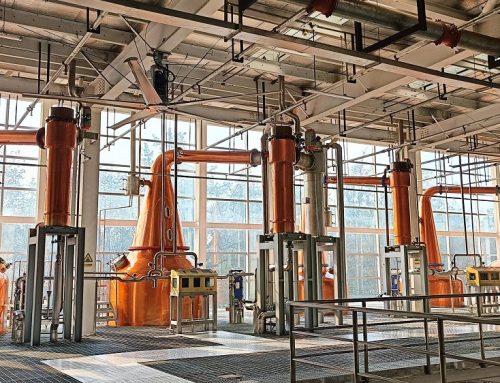
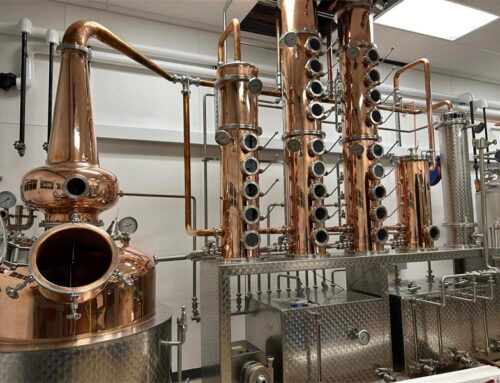
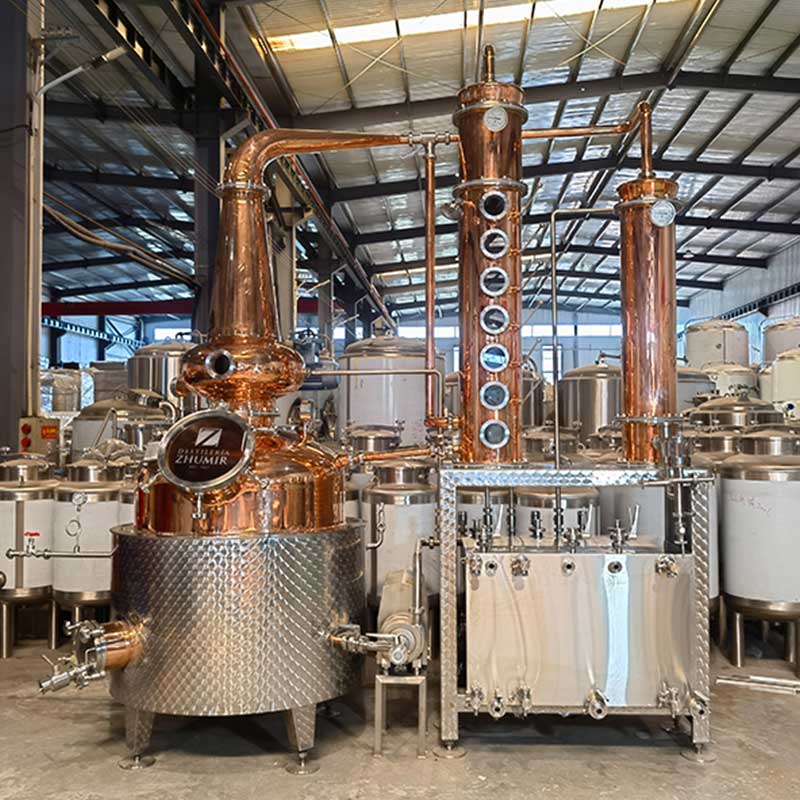
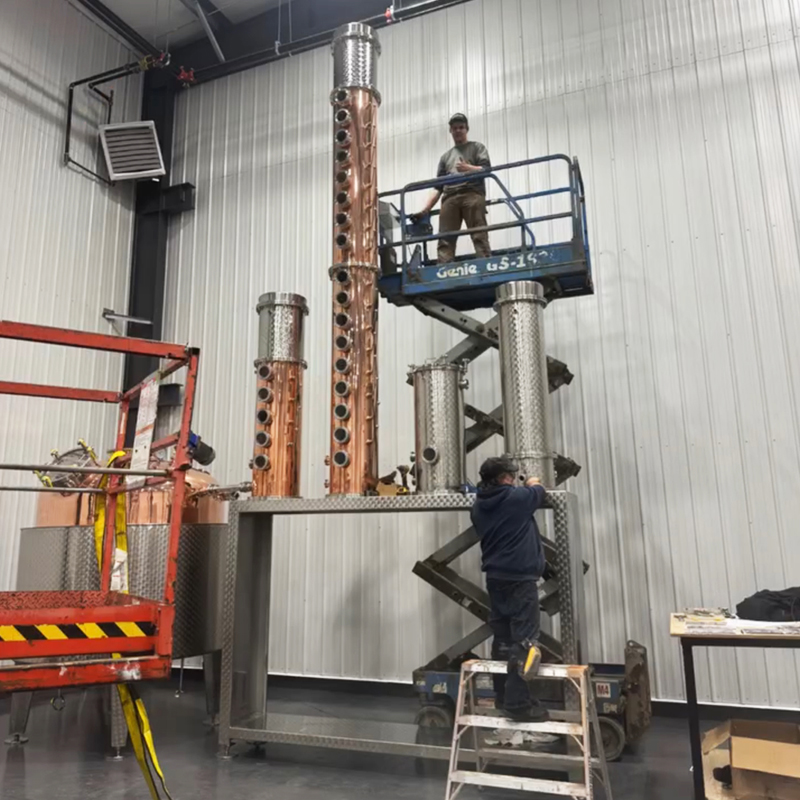
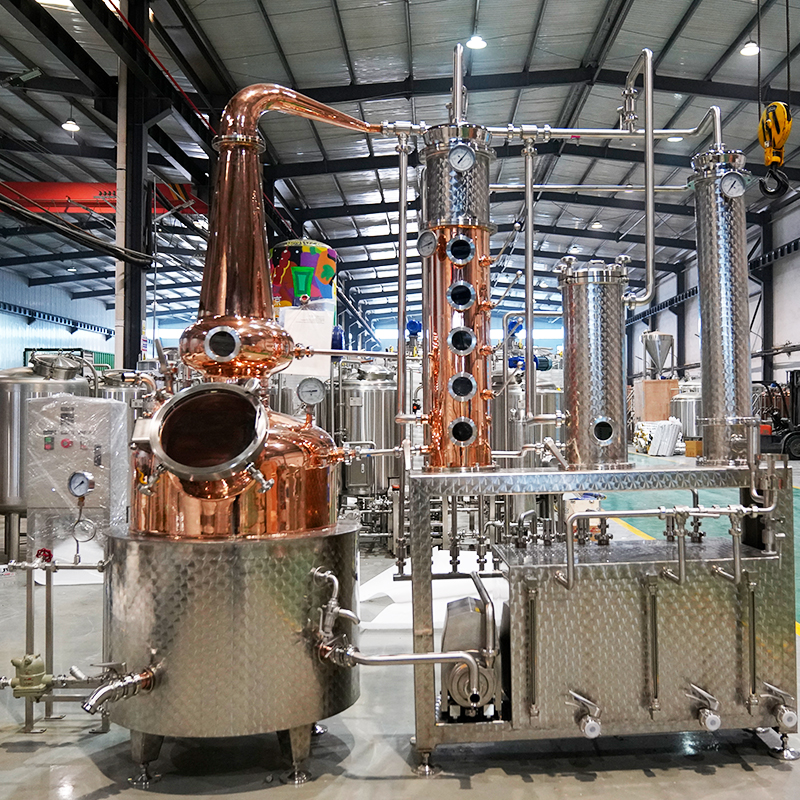
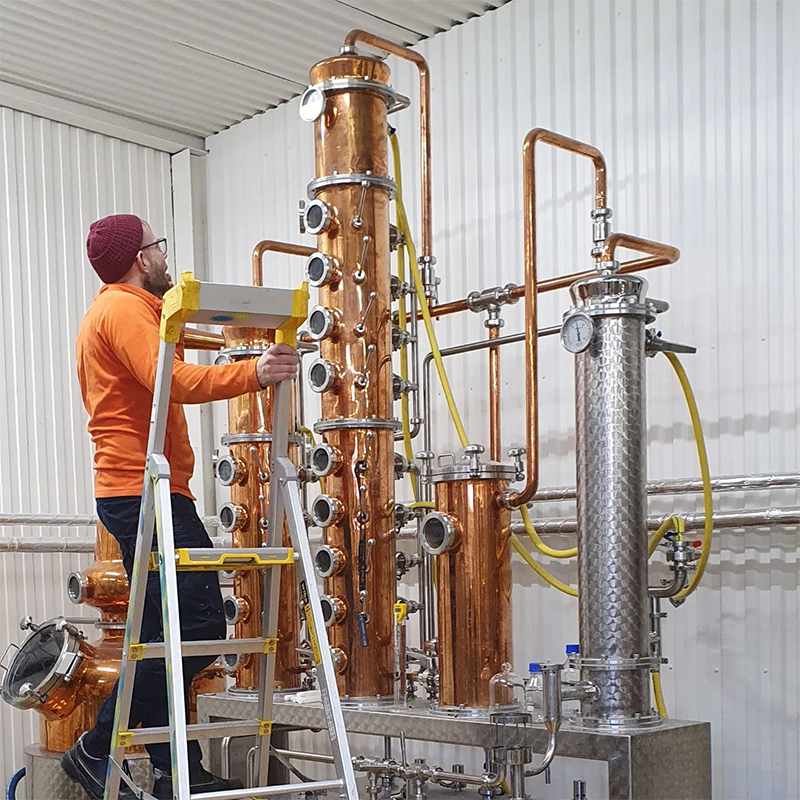
Tiantai supplies customized distillation equipment, including:
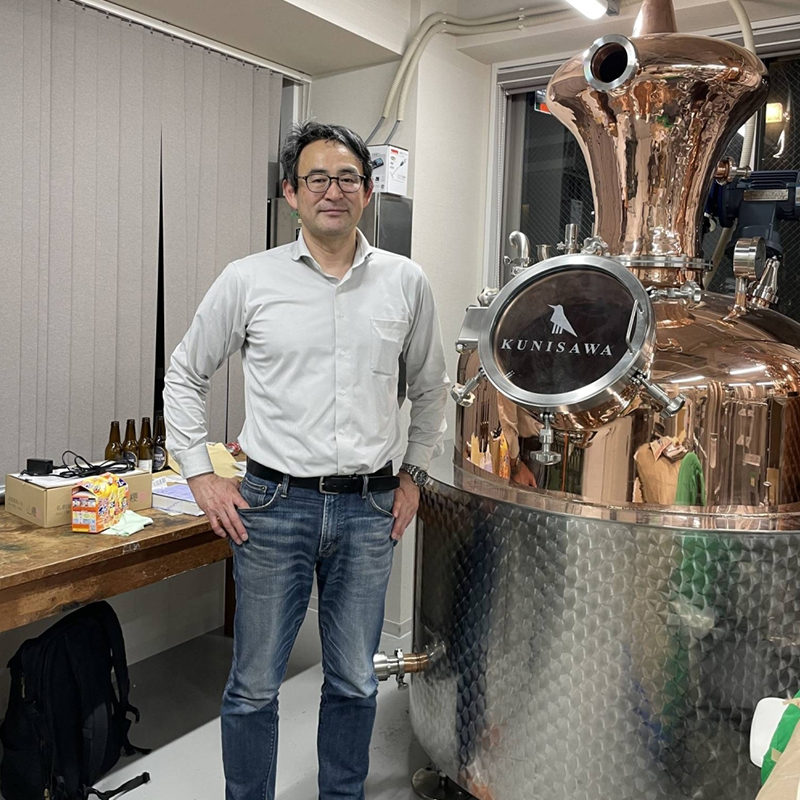
- Copper pot stills
- Multi-column continuous distillation systems
- Hybrid stills
Whether producing premium craft rum or industrial-scale white rum, Tiantai designs equipment tailored to each customer’s production goals.
Aging and Maturation
Freshly distilled rum is often aged to develop complexity and smoothness.
Most commercial producers mature rum in:
- Used bourbon barrels
- American oak casks
- Other specialty wooden barrels
Some light rums may instead be stored in stainless steel tanks to preserve a clear appearance.
Because many rum-producing regions have tropical climates, maturation occurs much faster than for whisky. Distillers must also account for the “Angel’s Share”—the annual evaporation loss—which can reach up to 10% in tropical warehouses.
Although Tiantai specializes in production equipment rather than barrel manufacturing, its storage tanks, transfer systems, and process piping integrate seamlessly into modern maturation facilities.
Blending and Filtration
Following aging, master blenders combine different batches to achieve a consistent flavor profile.
Depending on the desired style, producers may perform:
- Carbon filtration
- Chill filtration
- Color adjustment using caramel
- Proof reduction with purified water
Accurate blending is essential for maintaining product consistency across large production volumes.
Automated Bottling and Packaging
The final stage transforms mature rum into a market-ready product.
Modern bottling lines typically include:
- Bottle rinsing
- Automatic filling
- Capping
- Labeling
- Date coding
- Carton packing
Automation improves production speed while reducing contamination risks and labor requirements.
Tiantai Automatic Filling Solutions
Tiantai offers complete bottling systems suitable for rum and other distilled spirits, including:
- Automatic bottle rinsers
- Precision liquid filling machines
- Capping machines
- Labeling equipment
- Conveyor systems
- Packaging solutions
The modular design allows producers to expand capacity as their business grows.
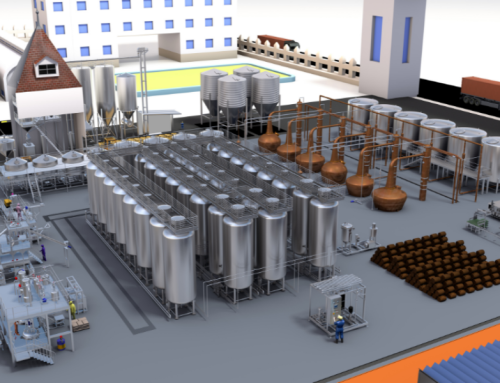
Complete Turnkey Rum Distillery Solutions
Every distillery has unique production goals, whether manufacturing premium aged rum, white rum, flavored rum, or high-volume commercial spirits.
Tiantai Distillery Equipment Manufacturer provides complete turnkey engineering services, including:
- Process design
- Equipment manufacturing
- Installation guidance
- Commissioning support
- Technical training
- After-sales service
From raw material pretreatment to fermentation, distillation, storage, blending, and automated bottling, Tiantai delivers integrated production solutions that help distilleries improve efficiency, ensure product consistency, and support long-term business growth.
Conclusion
Successful commercial rum production depends on far more than traditional recipes. Precise control of raw materials, fermentation, distillation, maturation, and packaging determines both product quality and production efficiency.
With decades of manufacturing experience, Tiantai Distillery Equipment Manufacturer offers reliable, customized distillery equipment for emerging craft distilleries and large-scale industrial rum producers alike. Whether you are building a new rum distillery or upgrading an existing production line, Tiantai can provide a complete turnkey solution from concept to commercial operation.