Distillery Construction: From Process Planning to Equipment Selection
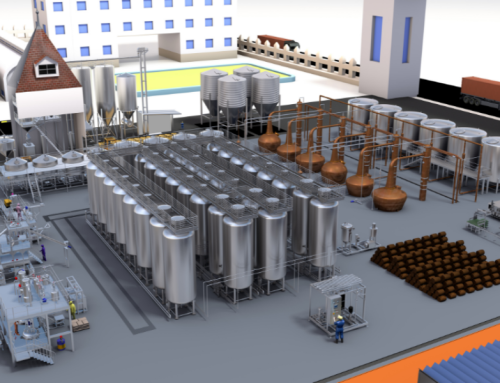
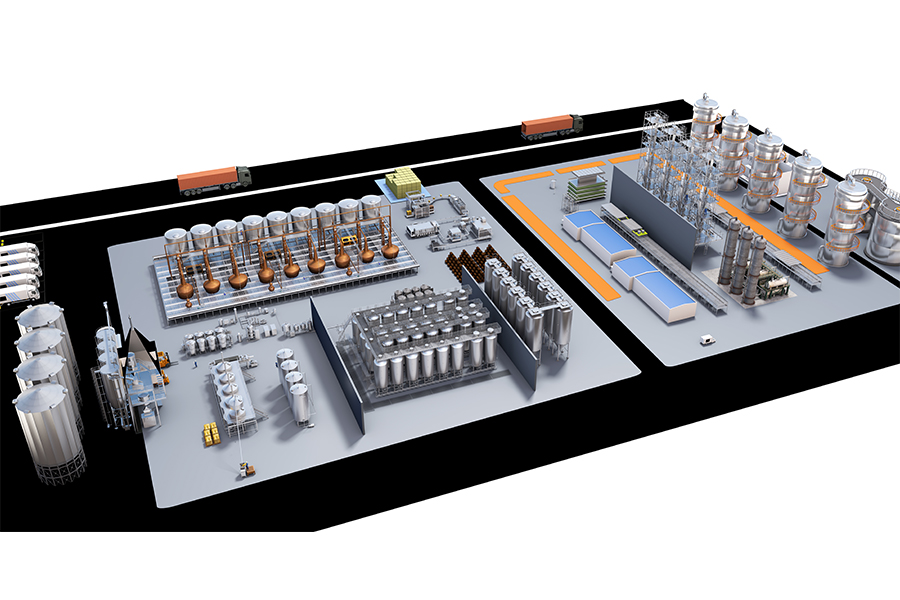
Establishing a commercial distillery is not simply a matter of purchasing a still and configuring a few fermentation tanks. A complete commercial distillery is actually a systematic production system comprised of multiple stages, including raw material processing, brewhouse, fermentation, distillation, cooling, filtration, storage, aging, bottling, and utilities.
When planning a distillery, many investors’ first concern is often: “How large should the still be?” While still capacity is indeed an important parameter in equipment planning, it is not the only factor determining the overall project configuration. Distillery equipment selection requires comprehensive consideration of product type, target output, production cycle, market positioning, plant conditions, process requirements, and future expansion plans.
Therefore, before formally purchasing equipment, a clear business and production model should be established, followed by equipment selection and plant layout design based on the process flow.
What to Consider Before Establishing a Distillery?
1. Define the Type of Spirits to be Produced
Different spirits have different raw materials and production processes, resulting in different requirements for distillation equipment and supporting systems.
Whisky: Typically requires grain grinding, brewhouse, fermentation, distillation, and subsequent aging.
Brandy: Primarily made from fermented grape or other fruit liquids, emphasizing the preservation of fruit aromas and flavor compounds.
Rum: Usually made from molasses or sugarcane juice, with different distillation methods chosen depending on product positioning.
Vodka: Emphasizes high purity and low impurities, typically using column distillation or rectification systems.
Gin: Usually based on neutral alcohols, its unique flavor is developed through plant extraction or steam extraction.
Therefore, before selecting equipment, the product type and production process must be clearly defined.
2. Equipment Planning Based on Overall Capacity
The production capacity of a distillery cannot be determined solely by still capacity; the compatibility of fermentation tanks, storage tanks, distillation equipment, and cooling and utilities must also be considered.
For example, a large still capacity coupled with an insufficient number of fermentation tanks may lead to continuous operation of the distillation equipment. Therefore, the entire production system should be rationally configured based on the target annual output, fermentation cycle, distillation cycle, and equipment operating time.
3. Consider Future Expansion Needs
If plans are to gradually expand production capacity, it is recommended to reserve appropriate expansion space during the initial construction phase. This includes reserving space for fermentation tanks, storage tanks, and aging areas, and considering the expansion capacity of utilities such as steam, cooling water, electricity, and pipelines in advance.
Proper upfront planning can reduce the cost of modifications during later expansions, enabling the distillery to have better scalability.
Core Equipment of a Distillery
1. Raw Material Processing Equipment
Including crushers, conveying equipment, and screening equipment, used for the pretreatment of raw materials such as grains, potatoes, and sugarcane.
2. Brewhouse Equipment
Mainly used for the brewhouse of starchy raw materials such as grains, converting starch into fermentable sugars.
3. Fermentation Tanks
Providing a suitable temperature and environment for yeast fermentation, these are crucial equipment for the formation of alcohol and flavor compounds.
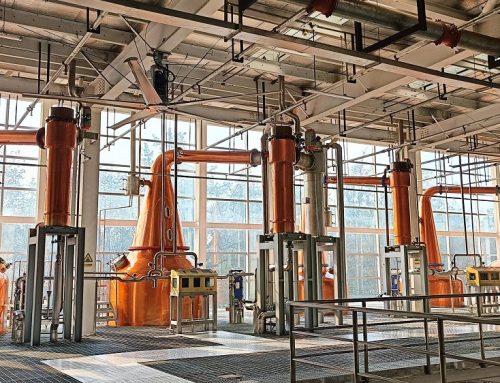
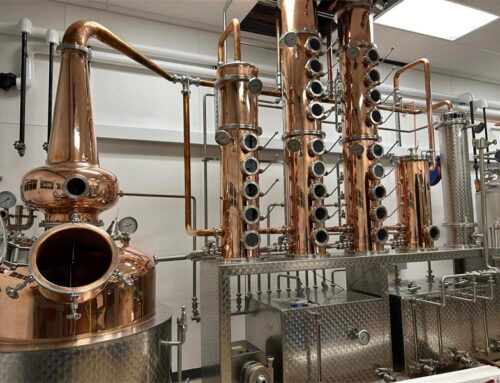
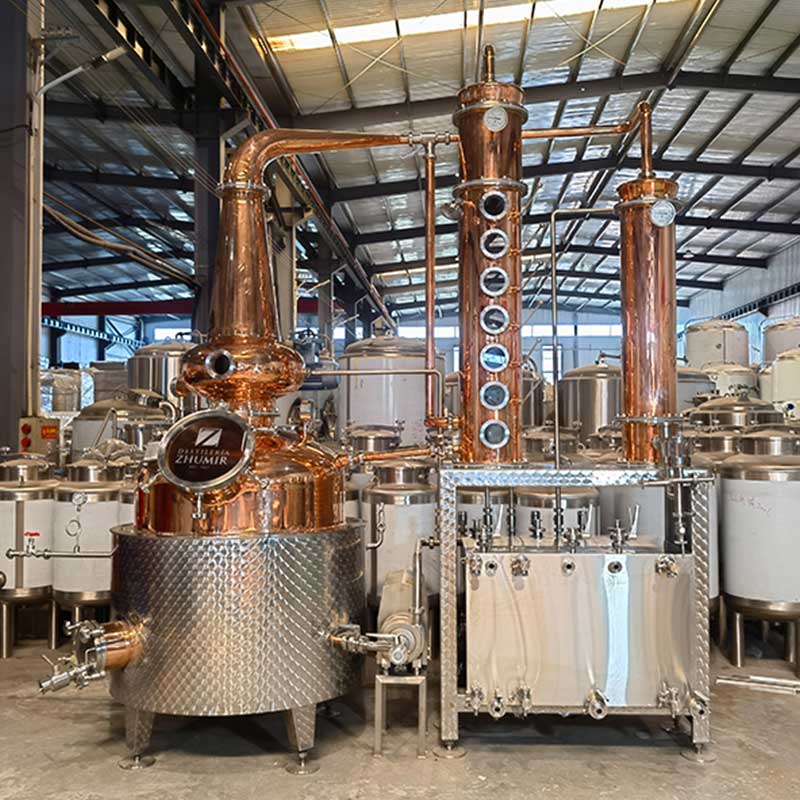
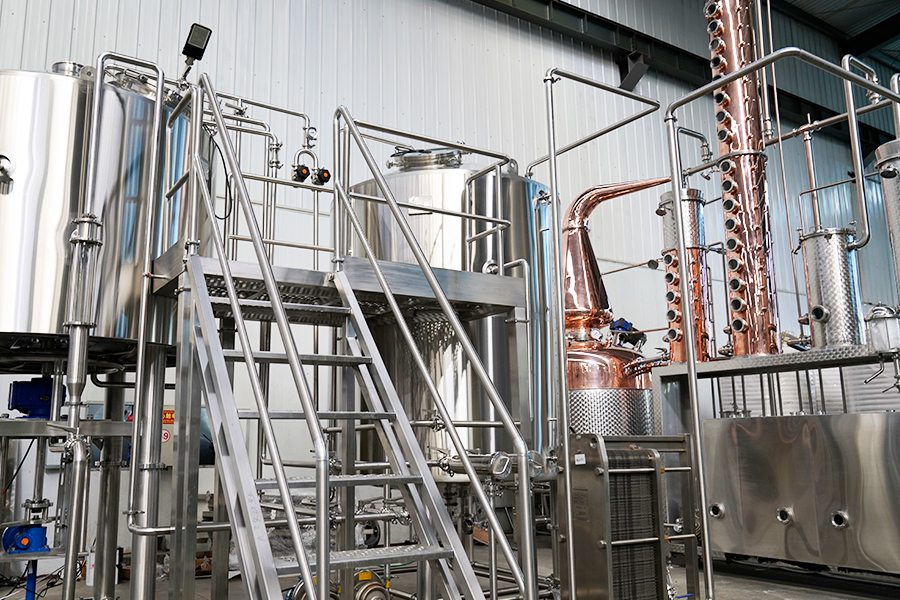
4. Distillation Equipment
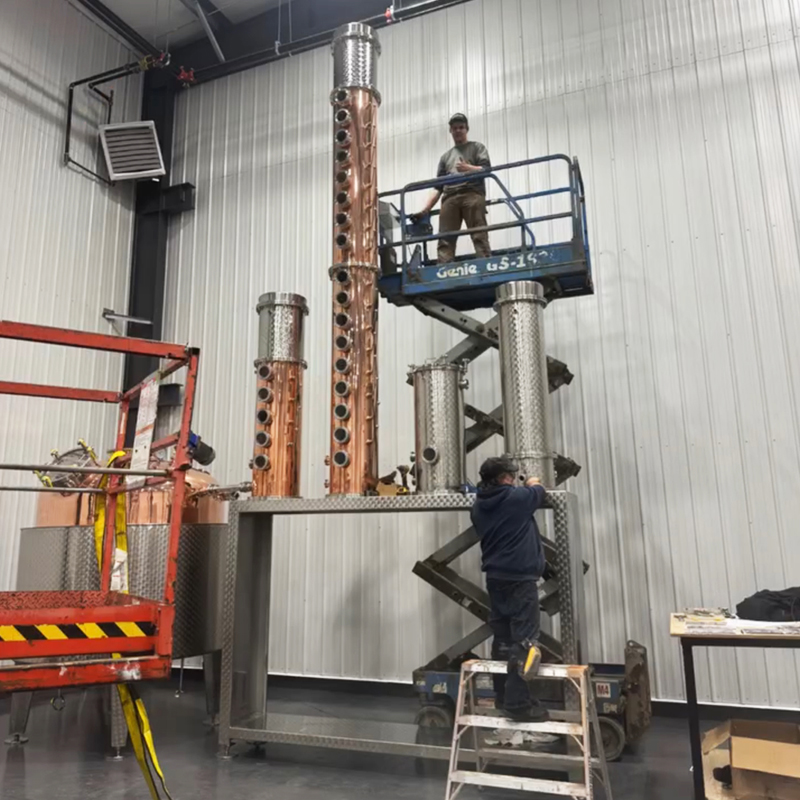
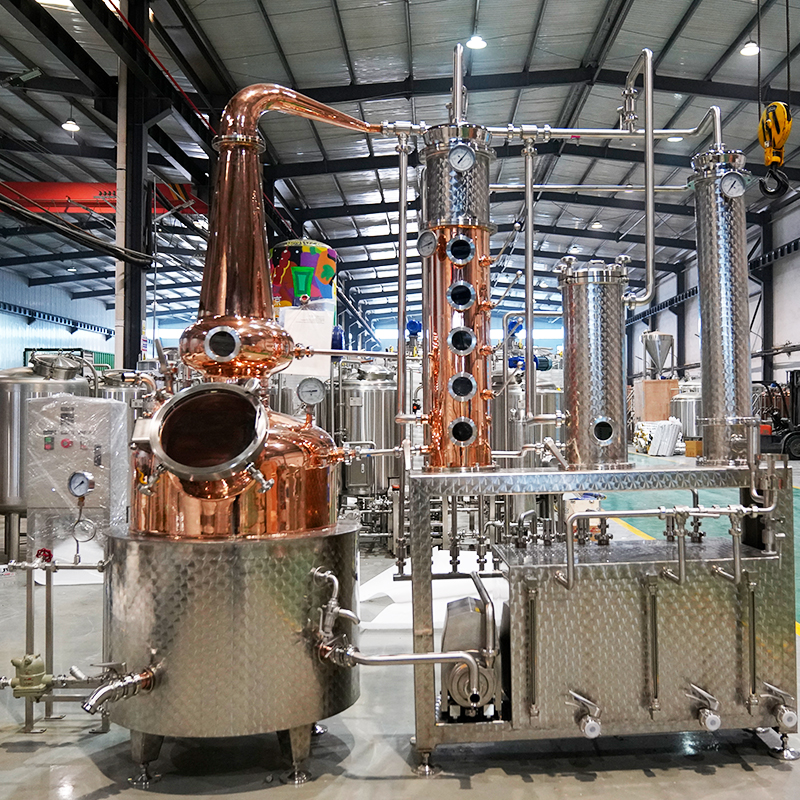
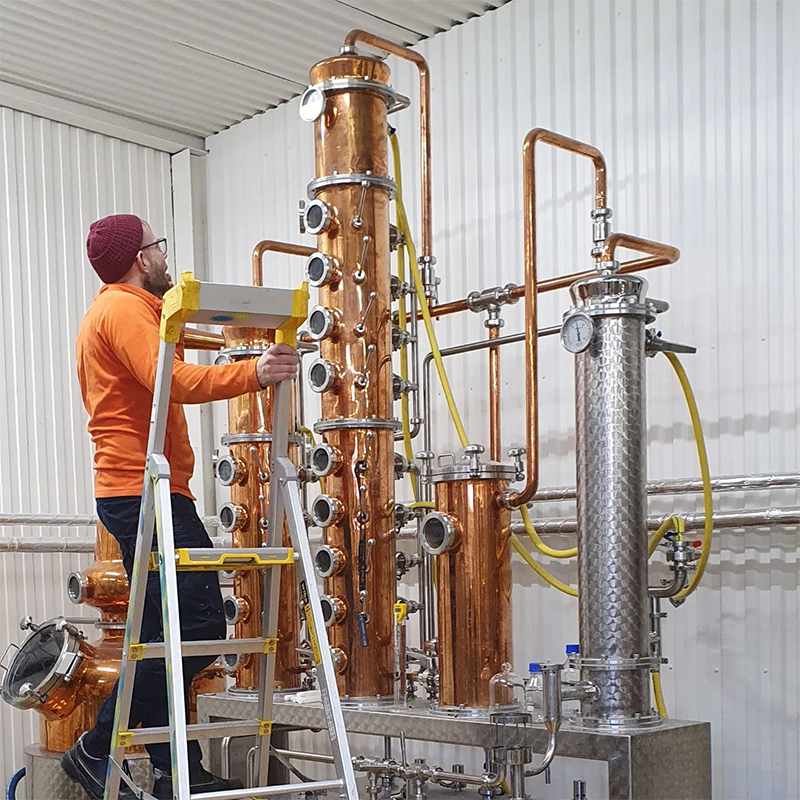
One of the core pieces of equipment in a distillery, pot stills, column stills, or combined distillation systems may be used depending on the product type.
5. Condensation and Cooling System
Used to condense alcohol vapor into liquid and control the temperature during the distillation process.
6. Storage Tanks
Used for temporary storage, blending, and finished product storage of distilled spirits. Food-grade stainless steel tanks of varying capacities can be configured according to product requirements.
7. Aging Equipment
For products such as whiskey, brandy, and rum, oak barrels or other aging containers are typically required for maturation.
8. Filtration and Blending Equipment
Used for filtering, reducing, blending, and final product quality adjustments.
9. Bottling and Packaging Equipment
Filling machines, sealing machines, labeling machines, etc., are configured according to the product packaging form to achieve automated or semi-automated packaging of the finished product.
10. CIP Cleaning and Utilities System
Includes CIP cleaning systems, steam systems, cooling water systems, water supply systems, and electrical control systems, providing support for the stable operation of the entire distillery.
Considerations Before Purchasing Brewing Equipment
If you plan to build your own distillery, equipment procurement is a crucial part of the initial planning stage. Besides focusing on price, you also need to comprehensively consider production needs, plant conditions, and subsequent operating costs.
1. Equipment Quality
Equipment quality directly impacts production efficiency, product quality, and lifespan. While high-quality equipment may have a higher initial investment, it is generally more durable and reduces costs associated with later maintenance, replacement, and downtime.
2. Factory Space
Before purchasing equipment, the size and quantity of the equipment should be determined based on the factory area and production layout. In addition to considering the floor space occupied by the equipment itself, space should be reserved for operation, maintenance, material transportation, and personnel access to ensure a rational layout of the entire production line.
3. Budget and Cost-Effectiveness
Equipment purchases should align with the overall investment budget. While ensuring the quality and production performance of core equipment, costs can be reasonably controlled based on actual needs. Don’t simply pursue the lowest price; focus more on equipment performance, lifespan, energy consumption, and subsequent maintenance costs.
4. Operation and Cleaning
Brewing equipment frequently comes into contact with raw materials, wine, and fermentation liquid; therefore, the equipment should be easy to operate, clean, and disinfect. A reasonable structural design, sanitary piping, and a comprehensive CIP cleaning system can reduce cleaning difficulty and minimize the risk of contamination.
6. After-Sales Service
Besides the equipment itself, it’s crucial to consider whether the supplier can provide installation, commissioning, technical support, and after-sales service. For commercial breweries, comprehensive after-sales support helps equipment get into production faster and reduces operational risks later on.
Distillery construction is a systematic project. From initial process design and equipment selection to later installation and commissioning, every step affects the final production efficiency and product quality. TianTai Equipment can provide customized distillery equipment and overall solutions based on the customer’s product type, raw material characteristics, target capacity, production process, plant conditions, and investment budget.