Wooden Washbacks vs. Stainless Steel Washbacks
In whisky production, fermentation is more than a step in converting sugars into alcohol. It is also where many of the flavour compounds that shape the character of the final spirit begin to develop. The vessel used for fermentation plays an important role in this process, influencing temperature management, microbial activity and cleaning practices.
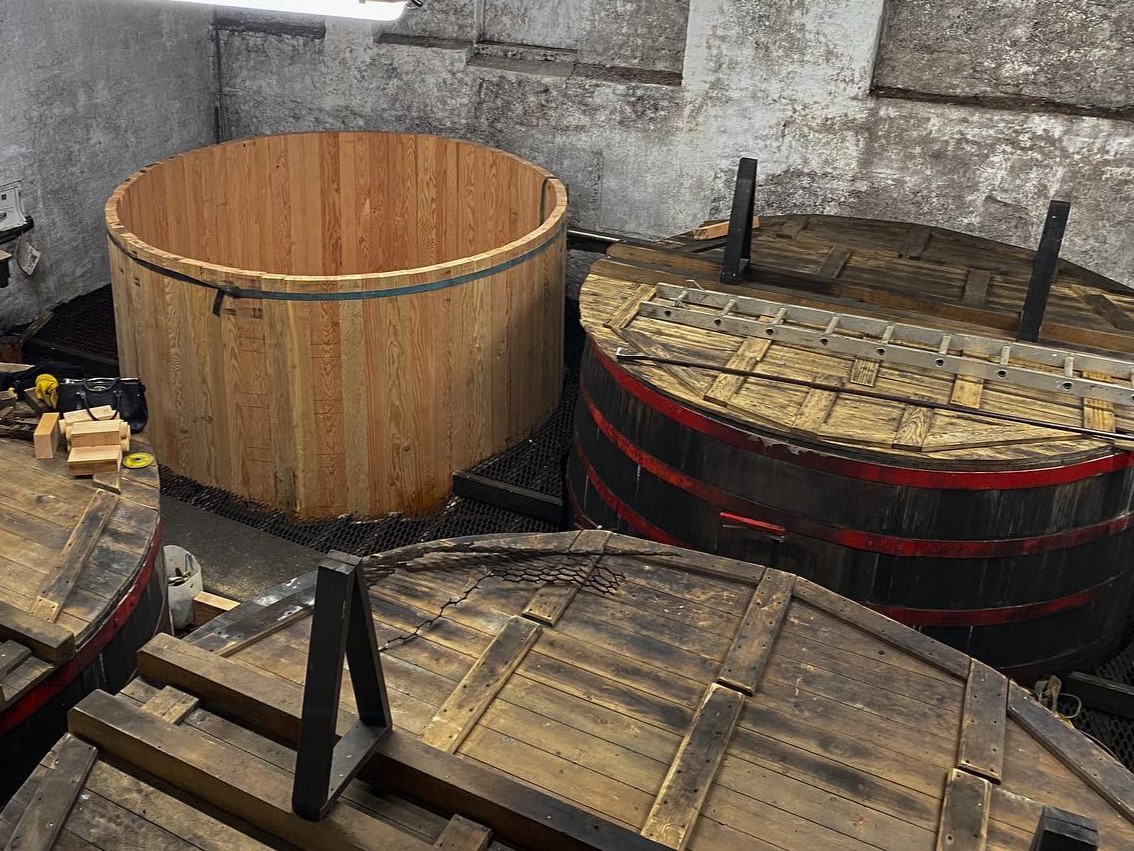
Traditionally, Scotch whisky distilleries have relied on large wooden washbacks, commonly constructed from Douglas fir (also known as Oregon pine) or European larch. These vessels have been used for generations, and some distilleries continue to regard them as an important part of their established production methods.
However, stainless steel washbacks have become increasingly common in modern distilleries. Their easier cleaning, flexible temperature control and compatibility with automated production systems make them a practical choice for many new projects.
Both materials have advantages, and understanding their differences is important when selecting fermentation equipment for a whisky distillery.
What Is a Washback in Whisky Production?
A washback is the fermentation vessel used in whisky production. It is also commonly referred to as a fermenter or fermentation vessel.
After mashing, the resulting wort is separated from the spent grain, cooled through a heat exchanger and transferred into the washback. Yeast is then added to convert fermentable sugars, primarily maltose, into ethanol and carbon dioxide.
As fermentation progresses, the liquid develops into an alcoholic solution known as wash, typically reaching around 8–10% alcohol by volume in malt whisky production.
During this stage, yeast also produces flavour-active compounds, including esters, higher alcohols and organic acids. Other microorganisms, particularly lactic acid bacteria, may also participate in fermentation and contribute to the development of the wash’s flavour profile.
Fermentation temperature, yeast activity, microbial balance and fermentation duration all influence the resulting wash. The design and operating characteristics of the washback therefore deserve careful consideration.
Wooden Washbacks: The Traditional Approach
Wooden washbacks remain widely associated with traditional Scotch whisky production. Their continued use is not simply a matter of preserving an old-fashioned appearance. Timber has physical and biological characteristics that can influence fermentation conditions.
1. Natural Thermal Insulation
One of the main advantages of wooden washbacks is their relatively low thermal conductivity. Compared with stainless steel, wood transfers heat more slowly, helping to moderate heat exchange between the fermenting wash and the surrounding environment.
This can be useful because yeast generates heat as it metabolizes fermentable sugars. During active fermentation, the wash temperature can rise considerably, even without external heating.
In many Scotch whisky production processes, the wort is cooled before entering the washback, and the fermentation temperature subsequently rises through the metabolic activity of the yeast. Depending on the yeast strain and operating conditions, temperatures can approach the low-to-mid 30°C range.
Wood’s insulating properties help retain heat, but this characteristic also creates a limitation. Once the wash temperature becomes higher than desired, removing excess heat from an unjacketed wooden vessel can be difficult.
Distillers therefore pay close attention to the initial wort temperature, which may be adjusted according to seasonal ambient conditions and other fermentation variables.
2. A Distinctive Microbial Environment
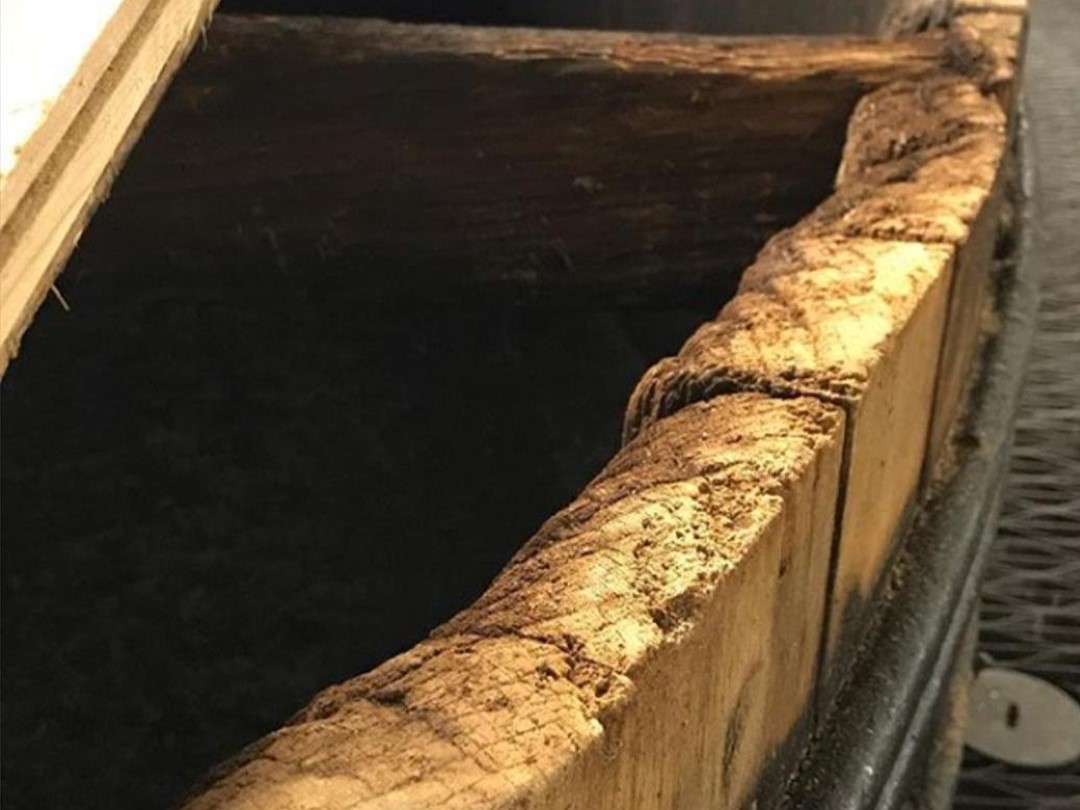
The internal structure of wood is different from that of stainless steel. Its porous surface, joints and natural irregularities can provide places where microorganisms survive between fermentation cycles.
Among these microorganisms, lactic acid bacteria are particularly relevant to whisky fermentation. Certain Lactobacillus species and other lactic acid bacteria can metabolize residual sugars and produce organic acids, including lactic acid.
Their activity may influence acidity, ester formation and the overall flavour profile of the wash.
This does not mean that all bacterial activity is beneficial. Uncontrolled microbial growth can compete with yeast for fermentable sugars, slow fermentation and generate unwanted flavour compounds. The balance between yeast and other microorganisms is therefore important.
Some distillers value the microbial environment associated with established wooden washbacks because it may contribute to their characteristic fermentation profile. However, the relationship between vessel material and final spirit character is complex. Yeast selection, wort composition, fermentation duration and cleaning practices also play significant roles.
3. More Demanding Cleaning and Maintenance
The porous structure of timber creates additional cleaning challenges.
Residues can accumulate around the joints between wooden staves, in surface irregularities and near the bottom connections of the vessel. These areas may provide conditions in which microorganisms survive conventional cleaning procedures.
Wooden washbacks are commonly cleaned using hot water, cleaning agents and steam, although individual distilleries follow different sanitation protocols.
Another consideration is moisture management. Wood expands when it absorbs moisture and contracts as it dries. If a washback dries excessively during an extended shutdown, the movement of individual staves may create gaps that increase the risk of leakage.
For this reason, wooden washbacks require regular inspection and appropriate maintenance, particularly during scheduled production shutdowns.
These characteristics do not make wooden vessels unsuitable for whisky fermentation. They simply mean that their cleaning and maintenance requirements need to be considered as part of the distillery’s operating strategy.
Why More Distilleries Are Choosing Stainless Steel Washbacks
Stainless steel offers a different approach to fermentation vessel design. Rather than relying on the natural properties of timber, manufacturers can engineer the vessel around specific requirements for hygiene, cooling, inspection and production integration.
For modern commercial distilleries, this provides several practical advantages.
1. Easier Cleaning and Better Hygiene Management
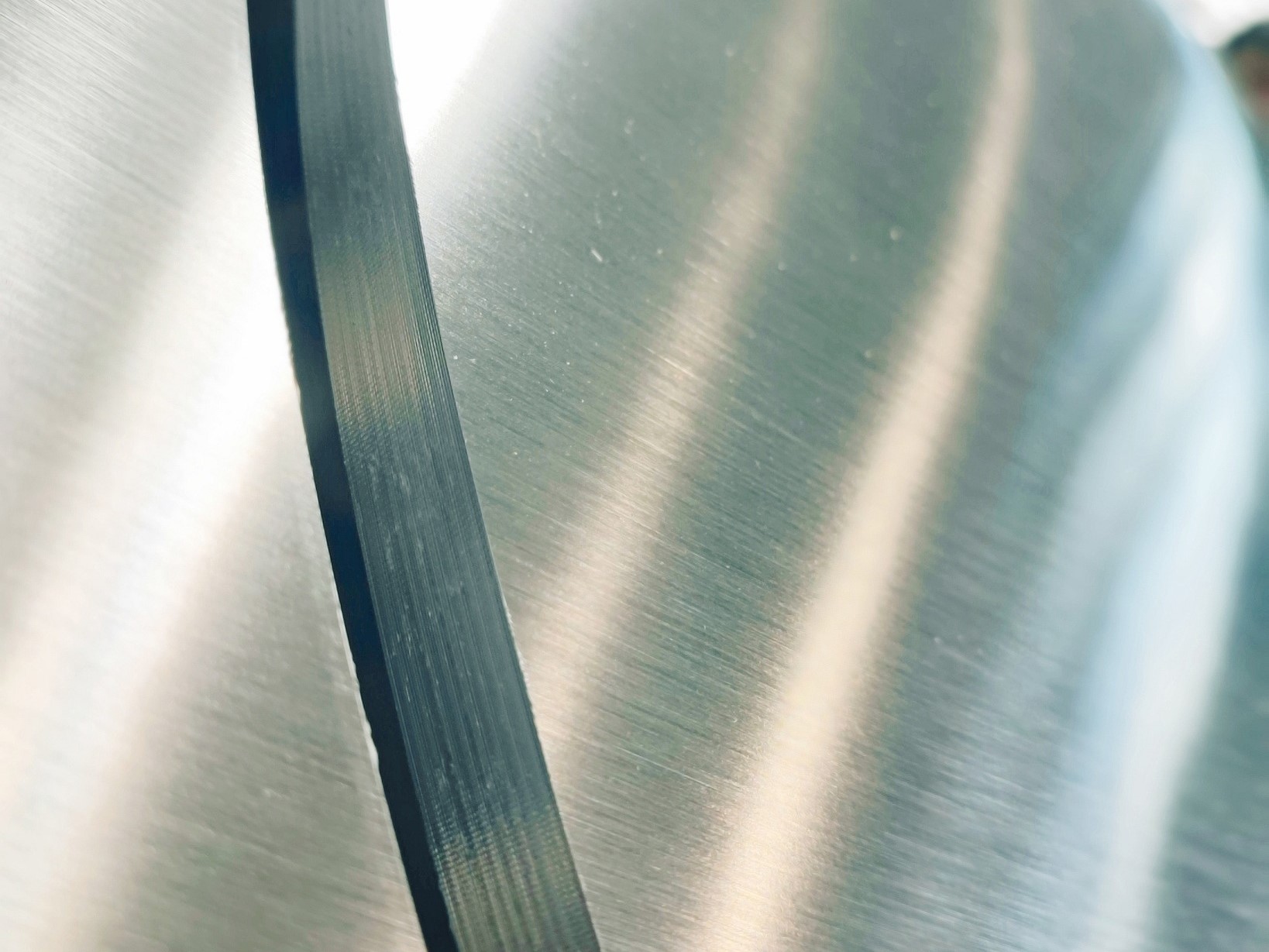
The internal surface of a properly manufactured stainless steel washback is smooth and non-porous, making it considerably easier to clean than a traditional wooden vessel.
Internal welds can be ground and polished, while the bottom geometry and connection arrangements can be designed to minimize areas where liquid and fermentation residues accumulate.
Stainless steel vessels can also be equipped with Clean-in-Place (CIP) systems. Spray balls or rotary spray devices distribute cleaning solutions across the internal surfaces, allowing the vessel to be cleaned without requiring personnel to enter it for routine cleaning.
Effective CIP performance depends on several factors, including spray coverage, cleaning solution concentration, temperature, circulation time and drainage.
These systems help standardize cleaning procedures and reduce the risk of cross-batch contamination. They do not automatically guarantee sterilization, so the cleaning and sanitation program must still be designed around the distillery’s actual process.
For facilities operating multiple fermentation vessels, this consistency can make a significant difference to daily production management.
2. More Flexible Temperature Management
Although wood provides natural insulation, stainless steel offers greater flexibility when active temperature management is required.
Heat generated during fermentation needs to be managed according to the yeast strain, wort composition, fermentation schedule and desired flavour profile.
Stainless steel washbacks can be equipped with external cooling arrangements, including water spraying, cooling jackets or dimple jackets connected to a glycol circulation system.
With a suitable temperature control system, sensors can monitor fermentation conditions while the cooling supply is adjusted according to the required operating range.
Not every whisky fermentation requires active cooling. Some distillers prefer to allow the wash temperature to rise naturally during fermentation because temperature development is part of their established process.
The advantage of stainless steel is that the vessel can be configured to support either approach, providing greater flexibility when production requirements change.
3. Reduced Structural Maintenance
Unlike timber, stainless steel does not absorb moisture or undergo the same swelling and shrinkage associated with changes in humidity.
A stainless steel washback can be drained, cleaned and left empty during scheduled shutdowns without the moisture-management requirements of a wooden vessel.
There are also no individual wooden staves that need to be replaced because of deterioration or joint leakage.
Routine maintenance is still necessary. Welds, valves, gaskets, cooling connections and instrument fittings should be inspected regularly, and the internal surface condition should be monitored.
Nevertheless, stainless steel eliminates several maintenance tasks associated specifically with wooden construction.
For distilleries operating throughout the year, reduced maintenance requirements can contribute to more predictable production schedules and lower long-term operating costs.
4. Easier Integration with Modern Distillery Equipment
A stainless steel washback can be designed to work as part of an integrated distillery production system.
Depending on the process requirements, the vessel may incorporate:
- Cooling jackets: For circulating chilled water or glycol to manage fermentation temperature.
- CIP spray devices: For distributing cleaning solutions across the internal surfaces.
- Manways: For inspection, maintenance and internal access when required.
- Sampling valves: For collecting wash samples and monitoring fermentation progress.
- Temperature sensors: For monitoring temperature changes throughout fermentation.
- Bottom discharge connections: For transferring completed wash to the next production stage.
- Vent connections: For safely managing carbon dioxide released during fermentation.
Vessel geometry is another important consideration. The working volume should allow sufficient headspace for foam development during active fermentation. A vessel’s gross capacity should not be confused with the volume of wort it can safely accommodate.
Drainage, access, pipe routing and the position of connections should also be considered during the engineering stage.
These details become increasingly important as a distillery expands its production capacity and operates several washbacks on a coordinated fermentation schedule.
Wooden vs. Stainless Steel Washbacks: A Practical Comparison
Both materials can be used successfully in whisky production, but their operating characteristics are different.
| Comparison | Wooden Washbacks | Stainless Steel Washbacks |
|---|---|---|
| Thermal properties | Natural insulation | Higher thermal conductivity |
| Temperature management | Primarily relies on process temperature adjustment unless additional cooling is installed | Can incorporate external cooling or cooling jackets |
| Microbial environment | Can retain resident microorganisms within the wood structure | Easier to manage through controlled cleaning and sanitation |
| Cleaning | More labor-intensive | Compatible with automated CIP |
| Maintenance | Requires inspection of timber, staves and joints | Requires inspection of welds, valves and seals |
| Shutdown management | Requires appropriate moisture management | Can be drained and left empty |
| Production integration | Depends on traditional vessel design | Can be customized for modern process systems |
The choice should ultimately reflect the distillery’s production philosophy and operational priorities.
A heritage distillery that values its established microbial environment and traditional fermentation practices may have good reasons to continue using wooden washbacks.
A new commercial distillery, on the other hand, may prioritize repeatable cleaning, flexible temperature management, reduced maintenance and easier integration with automated systems. In these circumstances, stainless steel washbacks often offer a more practical solution.
It is also worth remembering that changing from wood to stainless steel does not automatically improve the quality of the final whisky. The material is only one part of a much larger fermentation system. Any equipment change should be evaluated alongside yeast selection, wort preparation, fermentation temperature and process duration.
Selecting the Right Stainless Steel Washback for Your Distillery
Choosing a fermentation vessel requires more than selecting a tank based on its nominal capacity.
Before purchasing a stainless steel washback, distillery operators should consider several engineering and production factors.
Production capacity and working volume
Determine the expected wort volume per batch and allow sufficient headspace for foam development. The number of fermentation vessels should also correspond to the fermentation cycle and planned distillation schedule.
Fermentation temperature requirements
Consider whether the process relies on natural temperature development or requires active cooling. This determines whether external cooling, cooling jackets, temperature sensors or automated controls should be incorporated.
Cleaning arrangements
The vessel design should support effective cleaning and drainage. CIP spray coverage, internal surface finish and the accessibility of product-contact connections all deserve attention.
Material and construction
The stainless steel grade, wall construction, welding quality and surface treatment should be selected according to the process conditions, cleaning chemicals and expected service life.
Integration with the distillation system
The washback must work within the wider production layout. Its discharge position, transfer pump connections, pipework and relationship with the wash still should be considered during project planning.
Evaluating these factors during the design stage helps avoid unnecessary modifications after installation.
Stainless Steel Distillery Fermentation Equipment from Tiantai
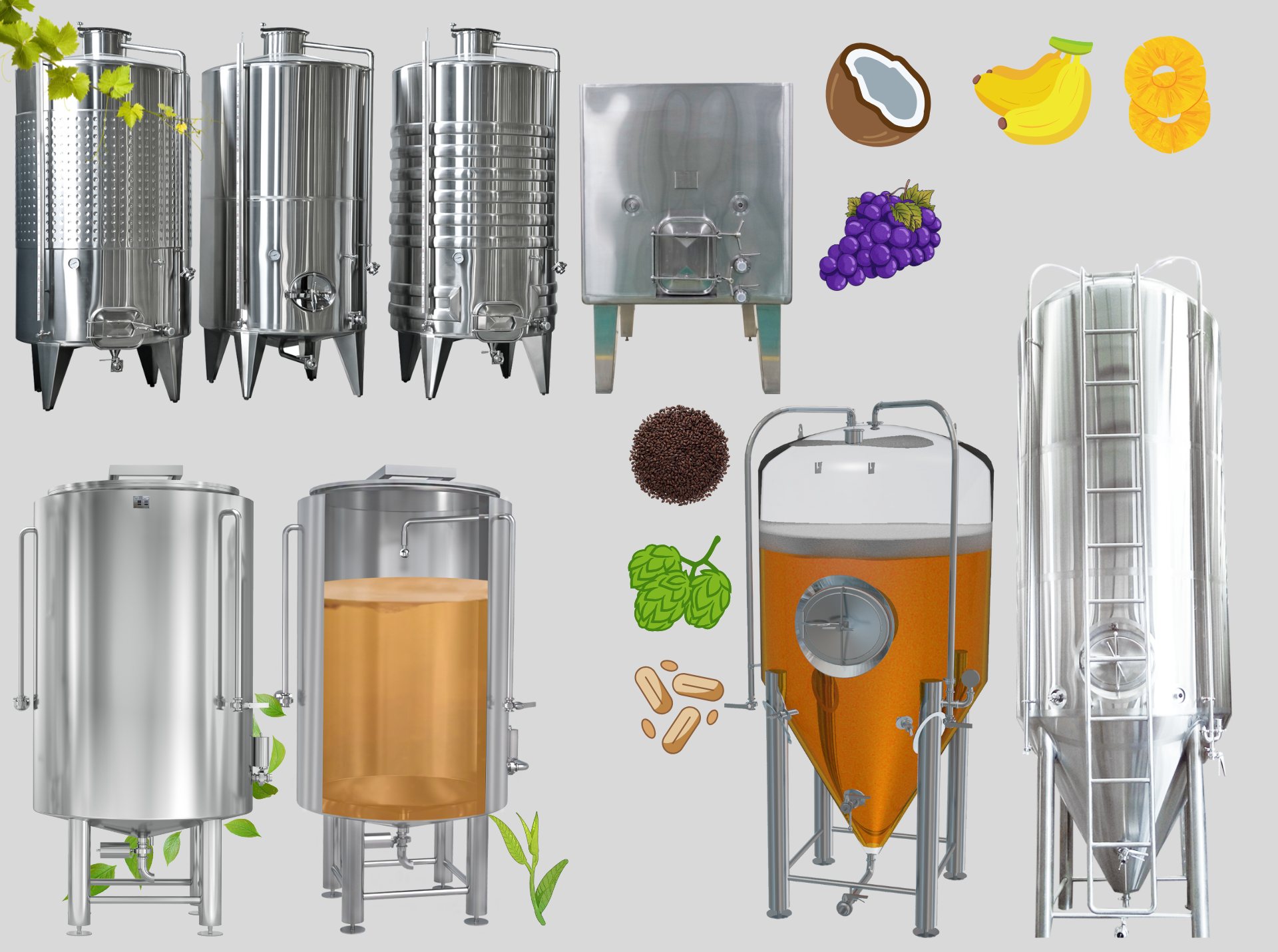
Tiantai manufactures stainless steel fermentation vessels and process equipment for commercial distilleries, with solutions designed around different production capacities and process requirements.
Our stainless steel washbacks can be configured with cooling jackets, CIP connections, temperature monitoring instruments, manways and other process-specific fittings. The exact configuration is determined by the customer’s fermentation process, operating conditions and facility layout.
We provide distillery equipment solutions ranging from 100L to 8,000L per batch, supporting projects from smaller production facilities to larger commercial distilleries.
When developing a fermentation vessel, our engineering team considers more than tank capacity. Working volume, fermentation headspace, cooling requirements, cleaning arrangements and downstream equipment connections all need to be addressed to create a practical production system.
Whether you are planning a new whisky distillery, expanding an existing facility or replacing traditional wooden washbacks, Tiantai can help configure stainless steel fermentation equipment around your production requirements.
Contact Tiantai to discuss your distillery fermentation vessel project and receive an equipment solution tailored to your process.