Heating Methods for Distillation Equipment
Many assume distillation is simply a three-step process: boil the fermented wash, condense vapour, and collect spirit. However, distillers know that spirit cannot be collected in one single run. Instead, distillate must be fractionated into foreshots, heart-cut and feints.
The core principle of spirit distillation is leveraging the boiling-point differences of various substances to separate impurities from desirable spirit components. The sequence and proportion of each compound coming off stills impose strict requirements on production processes. Therefore, the heating method of distillation equipment exerts greater influence on distillation performance than many expect.
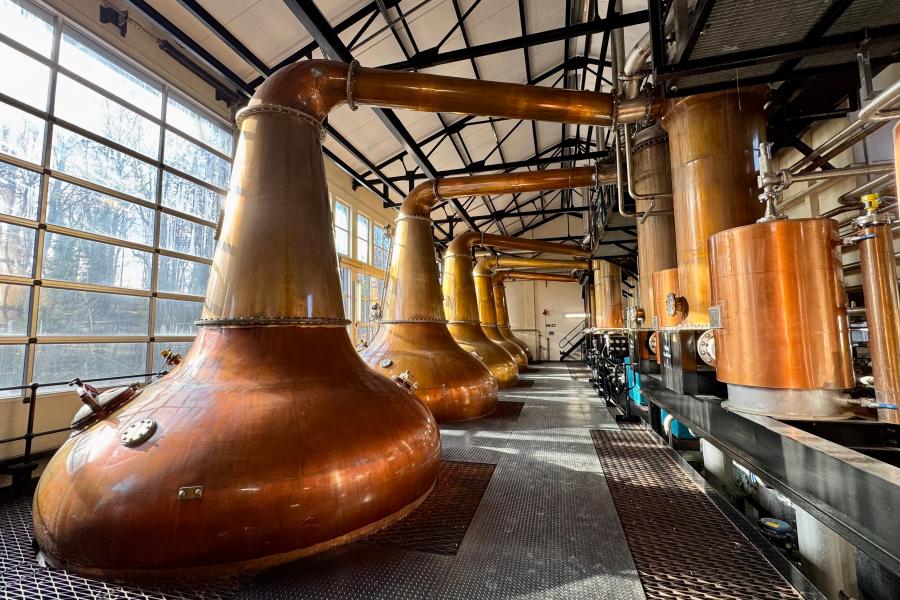
The output from the first distillation is low-strength distillate with an average ABV of 24 %, ranging from 20 %-28 % across different distilleries. A second distillation (for spirit rectification) delivers further purification, with distillate fraction collected by alcohol strength. Foreshots distill first, generally above 72-75 % ABV, rich in low-boiling-point compounds such as acetaldehyde, acetone and methanol. This fraction features pungent aroma and is undrinkable. The heart-cut is the pure middle fraction at 60-70 % ABV, reserved for final barrel maturation. Feints register below 60 % ABV (typically 40-60 % ABV), accumulating heavy flavour compounds including propanol, isopropanol and fusel oils. Both foreshots and feints are captured and recycled into subsequent distillation batches to recover residual alcohol and flavour profiles.
In terms of distillate sequence, harmful low-boiling-point substances such as methanol and acetone emerge first and concentrate in foreshots. Fusel oils, delivering oily, full-bodied texture alongside sharp notes, mostly appear in late distillate cuts. They contribute to the rich, viscous mouthfeel and heavy flavour of spirits, and serve as critical reference indicators for cut-point judgement.
What does this have to do with heating?
Heating rate, localised overheating risk and heating curve consistency determine the separation boundary and purity of each distillate fraction.
Vodka requires distillation upwards of 90 % ABV for high purity. Whisky and brandy, which prioritise flavour expression, are normally collected between 60 %-80 % ABV.
Three Heat Sources for Distillation Equipment
Electric Heating
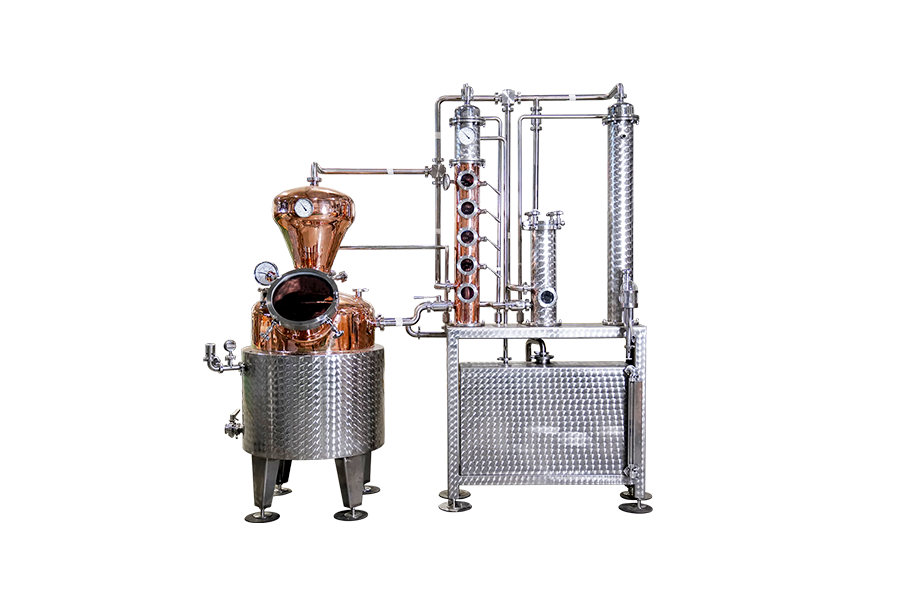
Electric heating converts electrical energy into thermal energy. It delivers fast temperature ramp-up, precise temperature control, open-flame-free operation and zero exhaust emissions, making it well-aligned with carbon-neutral targets. Its strengths lie in energy efficiency and sustainability. Electric heating stands out for craft and micro-distilleries with strict constraints on footprint, operational flexibility and environmental compliance.
Electric heating is ideal for two categories of clients:
- Small-scale craft and micro-distilleries sensitive to production capacity and floor space, benefiting from plug-and-play functionality and compact footprint.
- Projects targeting carbon neutrality and stringent environmental standards. Electric-powered stills running on renewable power can substantially lower carbon footprints.
Water‑Steam Heating
Water‑based steam heating represents the dominant heating solution for large‑scale spirit and alcohol distillation. Steam for commercial distilleries is mostly generated by boilers. To avoid issues caused by direct steam contact with feedstock — such as condensed‑water waste, increased waste liquor volume and higher energy consumption — indirect heating is the industry standard. Steam circulates through the still jacket or internal heating coils, transferring heat only through metal walls without direct contact with fermented wash. This achieves gentle and uniform heating of the mash.
Thermal‑Oil Heating
Thermal oil can reach high heat‑carrying temperatures under near‑atmospheric pressure. Circulation pumps deliver heated thermal oil to still jackets or heating coils. Heat transfers across metal walls without physical contact with process feedstock. After releasing heat, cooled oil flows back to the heater for reheating, enabling continuous circulating heat supply.
Both water‑steam indirect heating and thermal‑oil indirect heating circulate heat‑transfer media within jackets or coils. Heat transfers purely via conduction with zero direct contact with feedstock, delivering mild and even thermal input.
Core advantages of indirect heating systems:
- Gentle, controllable performance and consistent batch-to-batch output: Stable temperature and uniform heating support repeatable production across batches.
- Fine-preserved aroma and clean spirit output: Heat-transfer media never touch process materials, eliminating foreign contaminants and protecting spirit quality and aromatic complexity.
- High thermal efficiency and low operational cost: For indirect steam heating, condensed water can be recovered and reused for boilers to maximise energy utilisation.
Indirect jacket/coil heating fits mass‑production projects requiring batch consistency, clean distillate and controlled operating costs. It has become the standard configuration for most modern industrial distilleries.
What Tiantai Can Deliver for You
Most equipment suppliers merely sell off‑the‑shelf standard units, ignoring a core logic: heating solutions, hardware configuration and process parameters must match clients’ product positioning and production capacity requirements. As a professional distillation‑equipment manufacturer and full‑turnkey project service provider, Tiantai centres solutions on actual client production needs and offers customised one‑on‑one proposals.
We define the optimal heating scheme according to your spirit category, target flavour profile, desired final ABV, daily throughput, site conditions and environmental‑protection constraints. We further match appropriate tank material, condensing system, temperature‑control system and cooling system. All equipment specifications and process configurations are calculated and custom‑tailored, avoiding common industry pain points including mismatched equipment‑process workflows, unstable distillate quality, excessive energy consumption and high failure rates.
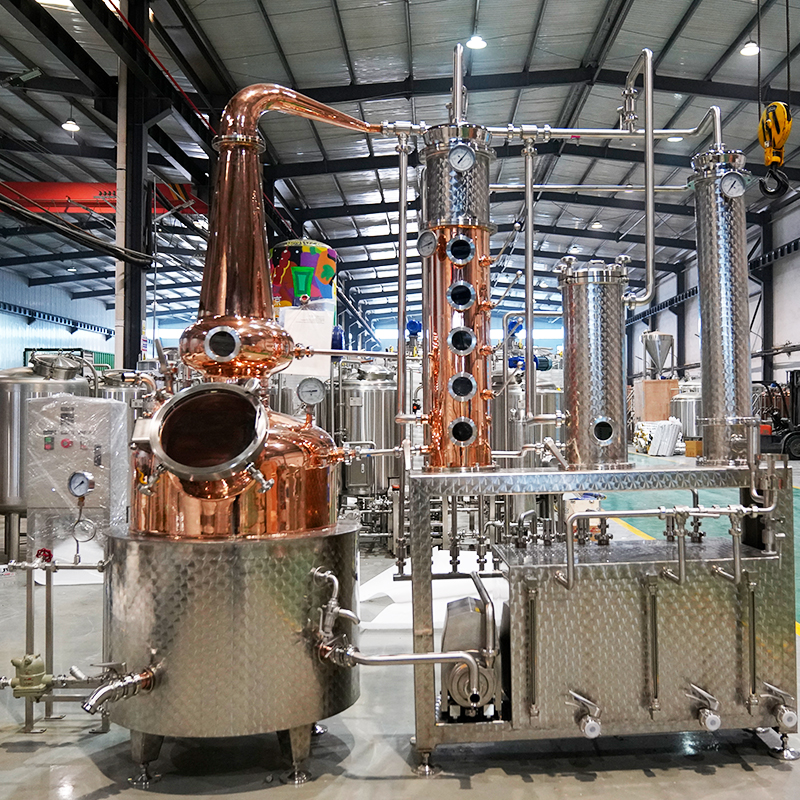
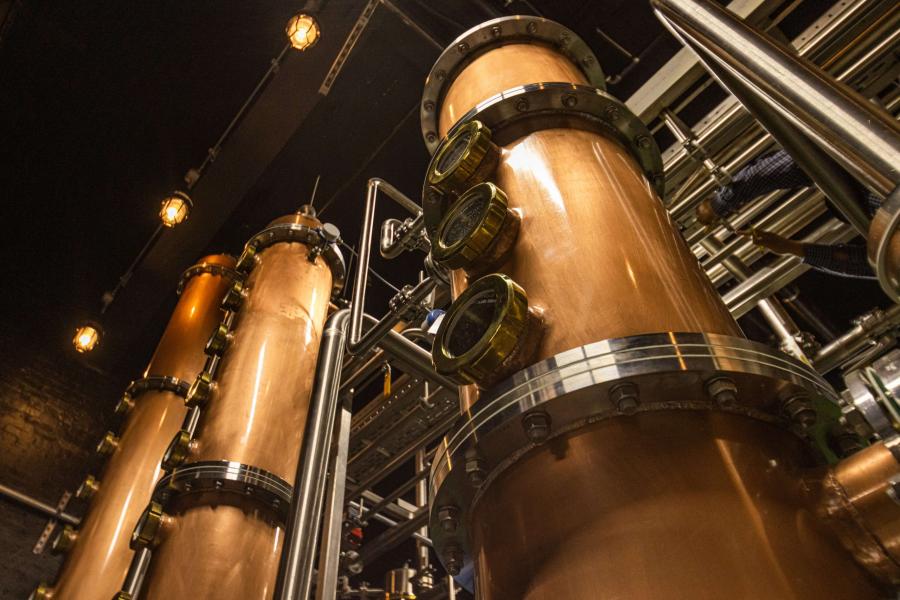
Custom‑built units are available for copper stills, stainless‑steel industrial distillation systems, small craft‑distilling equipment and medium‑to‑large‑scale complete production lines.
Tiantai also provides full‑lifecycle one‑stop services covering preliminary solution design, equipment manufacturing, on‑site installation & commissioning, production‑process guidance and after‑sales maintenance. We support stable quality and full‑capacity production from equipment deployment through normal operation.
Should you have demands for distillation‑equipment procurement, distillery project planning or distillation‑system retrofitting, feel free to get in touch. We will provide free professional process proposals and equipment‑selection advice tailored to your project.