Understand Spirits, Understand Distillation
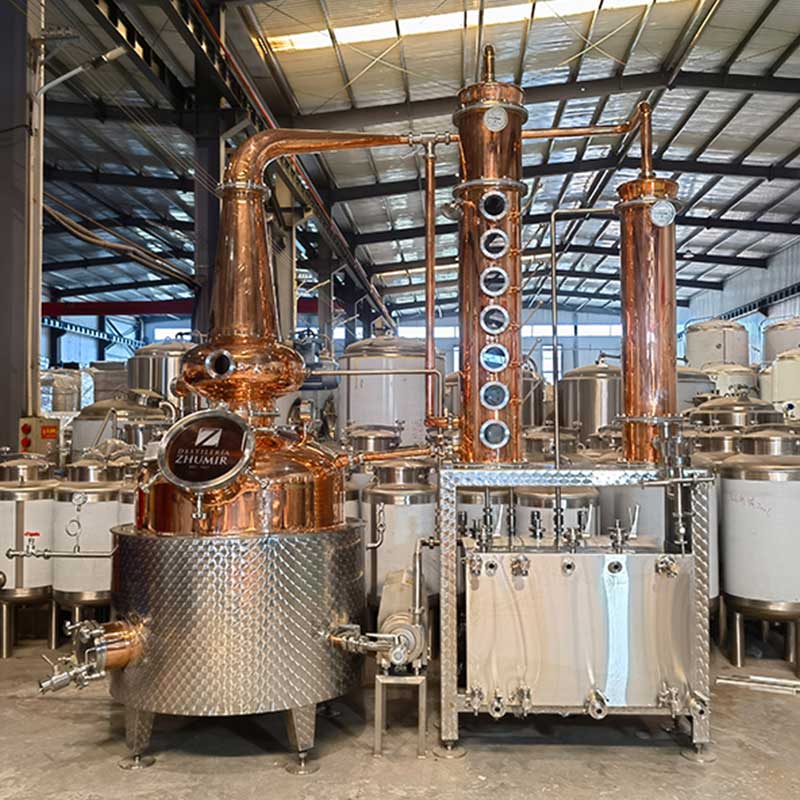
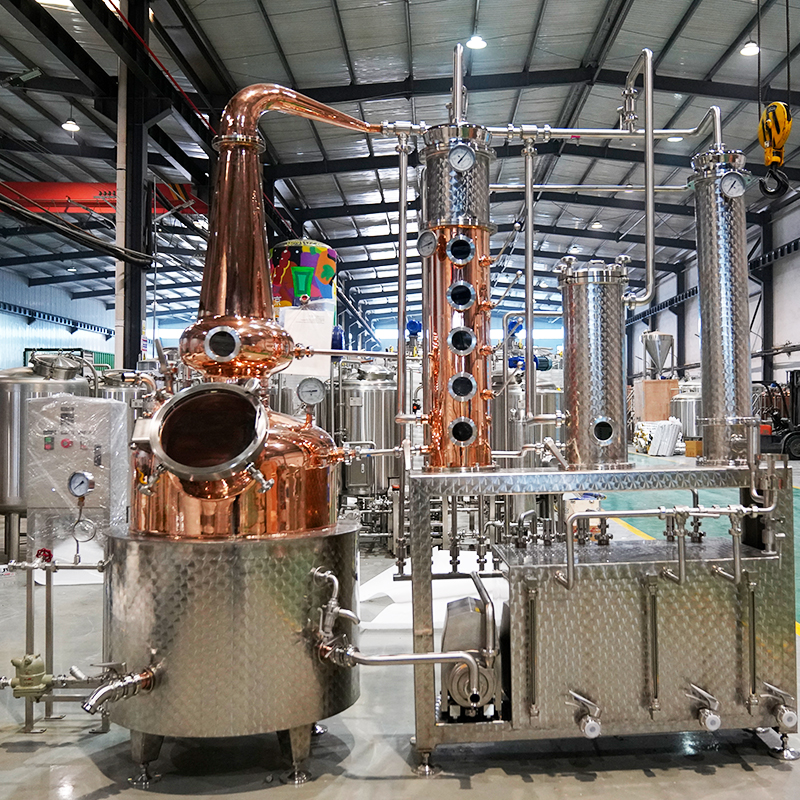
Spirits differ from fermented beverages, where yeast converts sugar into alcohol, by incorporating an additional distillation stage. Fundamentally, distillation leverages the difference in boiling points between ethanol and water to[...]
Impacts of Different Storage Conditions on Spirit Profile
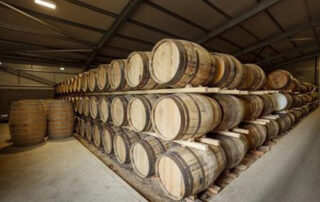
Aged aromas in whisky, including vanillin, eugenol, whisky lactone and other compounds, are developed during maturation. Maturation constitutes an essential unit operation within distilled spirits production. For distilleries, cask maturation[...]
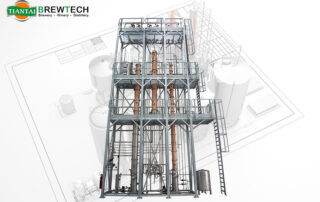
Column Stills and Their Application in Spirits Distillation
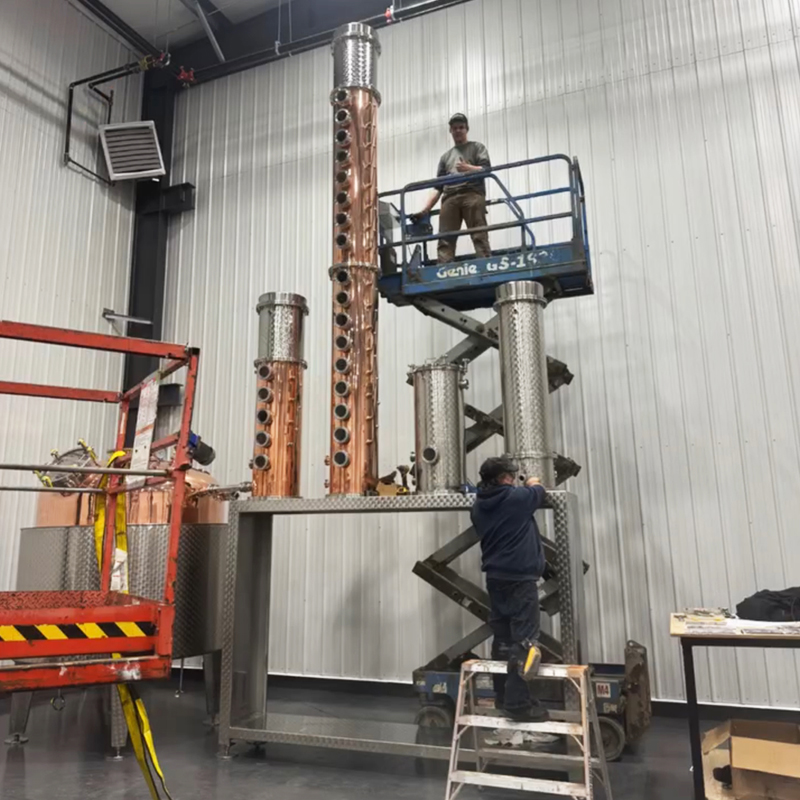
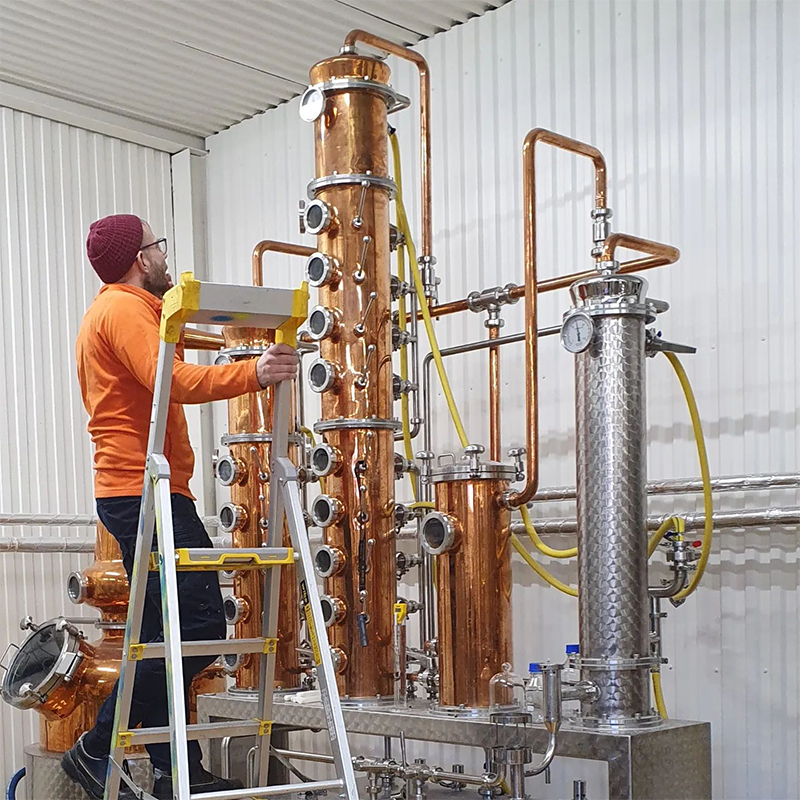
When we refer to “column distillation”, “tower distillation” or “continuous distillation”, we are describing the same distillation technology. Relying on multi-stage separation structures inside the column, it enables non-stop, high-efficiency[...]
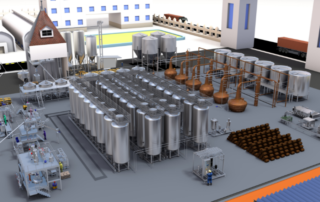
Heating Methods for Distillation Equipment
Many assume distillation is simply a three-step process: boil the fermented wash, condense vapour, and collect spirit. However, distillers know that spirit cannot be collected in one single run. Instead,[...]

Copper: The Undisputed Material for Distillation Equipment
We frequently receive inquiries from distilleries around the world: What is the best material for distillation equipment? Do different materials affect the taste of spirits? After countless tests, comparisons, and[...]

Practical Operations and Troubleshooting in the Distillation Process
Distillation physically separates components such as alcohols, esters, aldehydes, and acids in fermented wash by exploiting differences in boiling points. During this process, it is crucial to not only elevate[...]

Flavor differences—does the distillation equipment decide?
The production process of whisky encompasses raw material treatment, mashing, fermentation, distillation, aging, blending, and bottling. Crucially, the distillation phase establishes the foundational flavor profile of the new make spirit.[...]