How Does a Pot Still Shape the Flavor of Spirits?
The flavor of a spirit does not begin to develop only after distillation is complete. From the selection of raw materials and the fermentation process to the rising, condensation, and reflux of vapor during distillation, and finally the distiller’s decisions when making cuts between different fractions, every stage can influence the aroma, mouthfeel, and body of the final product.
In this process, a pot still is far more than a piece of equipment used to increase alcohol concentration. It can be considered a “flavor selector”, determining which flavor compounds derived from the raw materials and fermentation process are carried over into the final spirit and which are separated during distillation.
This is why pot stills continue to be widely used for whiskey, brandy, Cognac, full-bodied rum, and certain fruit spirits and gins.
1. Where Does the Flavor of Spirits Come From?
The flavor foundation of a spirit originates primarily from the raw materials and the fermentation process.
Sugars in grains, fruits, sugarcane, and other raw materials are converted into alcohol by yeast. At the same time, fermentation produces a wide range of volatile flavor compounds, including esters, aldehydes, higher alcohols, organic acids, and other congeners.
Together, these compounds form the flavor foundation of the fermented liquid and may contribute sensory characteristics such as fruit, floral, grain, malt, spice, herbal, honey, and nutty notes.
The purpose of distillation is not simply to remove all of these compounds. Instead, through heating, vaporization, condensation, and separation, distillation selectively separates compounds with different physical and chemical properties.
As a result, both the design of the distillation equipment and the way the distillation process is operated can have a direct impact on the final character of the spirit.
2. How Does a Pot Still Work?
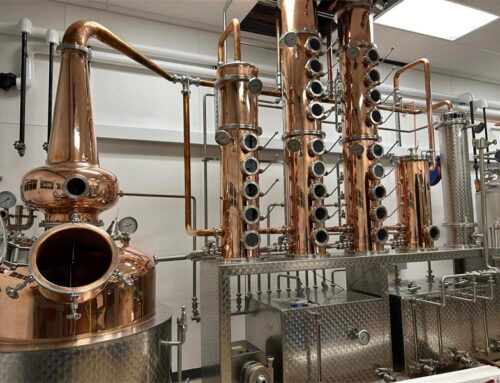
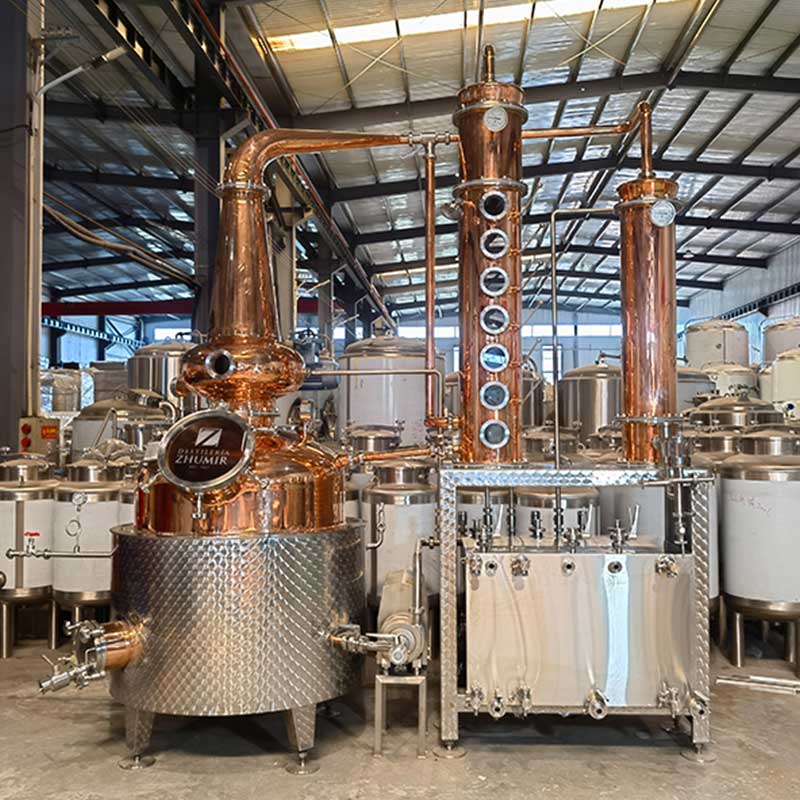
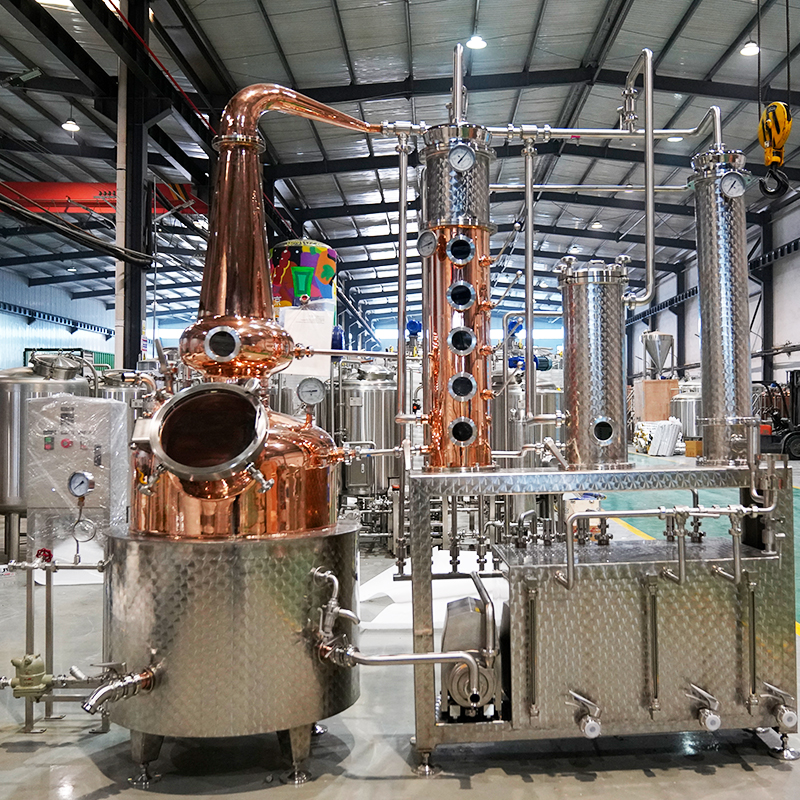
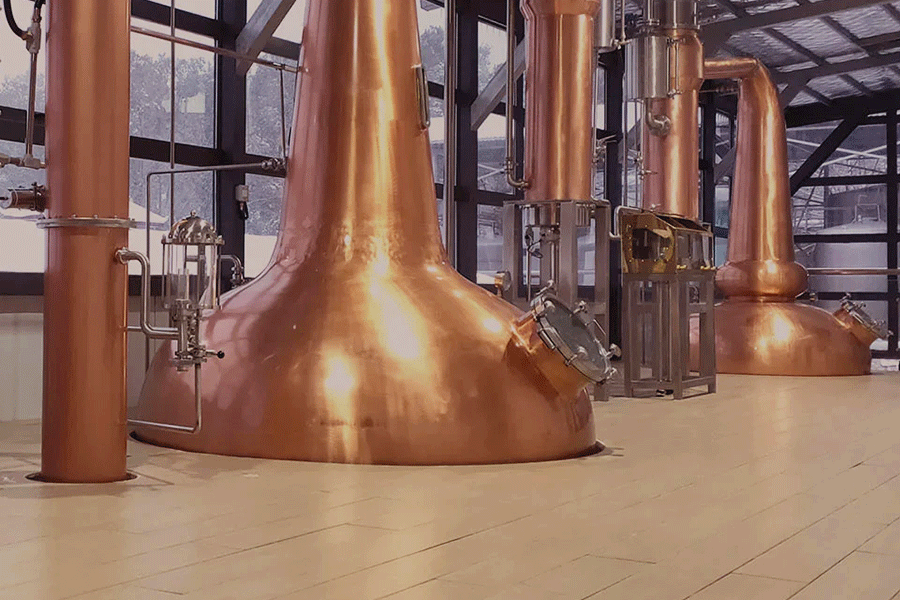
A typical pot still generally consists of the following main components:
· Pot
· Swan neck
· Lyne arm
· Condenser
After fermentation is complete, the fermented mash or liquid is charged into the pot. It is then heated using steam, electric heating, or another indirect heating method.
As the temperature increases, ethanol, water, and volatile flavor compounds begin to vaporize.
The vapor then travels through the swan neck and Lyne arm before entering the condenser. Inside the condenser, the vapor is cooled and converted back into liquid, producing the distillate.
Because different compounds have different volatilities and boiling points, they do not enter the distillate in exactly the same proportions during distillation. This difference provides distillers with the ability to control the body, aroma, and overall flavor profile of the spirit.
3. Reflux: An Important Mechanism in Flavor Development
Reflux is one of the key factors influencing the flavor of spirits produced in a pot still.
As vapor containing alcohol and volatile flavor compounds rises through the still, part of the vapor may condense when it comes into contact with cooler metal surfaces. The condensed liquid then flows back down into the still, where it is reheated and vaporized again.
This process is known as reflux.Reflux increases contact between the vapor and liquid phases and promotes further separation of compounds with different volatilities. In general:
Higher reflux tends to reduce the carryover of heavier flavor compounds, producing a spirit that is lighter, smoother, and more delicate.
Lower reflux allows more heavier flavor compounds to pass into the distillate, contributing to a richer, fuller-bodied, and more oily character.
There is no absolute rule that higher reflux is always better. Different levels of reflux simply create different flavor profiles and are selected according to the desired character of the final product.
4. How Does Still Design Influence Spirit Flavor?
The geometry of a pot still affects the movement of vapor, the opportunities for condensation, and the degree of reflux, all of which can influence the final flavor profile.
1. The Height and Shape of the Swan Neck
A taller swan neck can generally create more opportunities for condensation as vapor rises, promoting reflux and allowing some heavier compounds to return to the pot.
By comparison, a shorter and wider design may generate less reflux, making it more likely to retain richer and heavier flavor characteristics.
2. The Shape of the Pot
Pot shapes such as spherical, onion-shaped, or lantern-shaped designs can alter the path of vapor inside the still and affect the extent of contact between the vapor and the metal surfaces.
These structural differences can further influence condensation and reflux, ultimately changing the proportions of different flavor compounds carried into the distillate.
3. The Angle of the Lyne Arm
The Lyne arm connects the still to the condenser, and its angle and design can also influence vapor movement.
In general, an upward-sloping Lyne arm may promote a certain degree of reflux, while a more direct vapor path may reduce reflux and allow more heavier flavor compounds to pass into the distillate.
5. How Does Pot Distillation Preserve Complex Flavors?
Compared with highly rectifying systems, pot distillation generally does not aim to remove all non-alcohol components to the greatest possible extent.
Esters, aldehydes, higher alcohols, organic acids, and other volatile compounds produced during fermentation are commonly referred to as congeners. These compounds can contribute to:
· Fruity and citrus aromas;
· Floral and honey-like notes;
· Grain and malt characteristics;
· Spicy and herbal flavors;
· A fuller, richer, and more oily mouthfeel.
If the distillation process focuses excessively on achieving the highest possible alcohol purity, many desirable flavor compounds may also be removed. The result may be a cleaner and more neutral spirit, but one with less character and complexity.
A pot still, by contrast, allows the distiller to retain a certain proportion of these flavor compounds according to the desired product style.
Therefore, the objective of pot distillation is not simply to achieve the highest possible purity, but to find the right balance between alcohol purity and flavor complexity.
6. Making Cuts: Further Control Over Spirit Flavor
In addition to the design of the still itself, making cuts between different distillation fractions is another important factor influencing the final flavor.
Because pot distillation is typically carried out as a batch process, the composition of the distillate changes continuously throughout the run. Distillers generally evaluate factors such as alcohol strength, temperature, aroma, and taste when separating the distillate into different fractions.
Heads:The early fraction of the distillation run generally contains a higher proportion of highly volatile compounds. Depending on the product style and production requirements, the distiller will separate an appropriate portion of this fraction.
Hearts:The hearts generally offer the most balanced combination of aroma, alcohol strength, and mouthfeel, making them the core fraction used for the final spirit.
Tails:As distillation continues, the proportion of heavier compounds in the distillate gradually increases. Tails can contribute greater body and complexity, but excessive inclusion may negatively affect the balance of the final product.
For modern distilleries, an excellent pot still not only needs stable heat transfer and separation performance, but also requires customized design based on the characteristics of the raw materials, fermentation process, and flavor profile of the target product. Ultimately, the combination of equipment structure and distillation process is essential to truly transform the potential flavors of the raw materials and fermentation process into a spirit with a unique character.