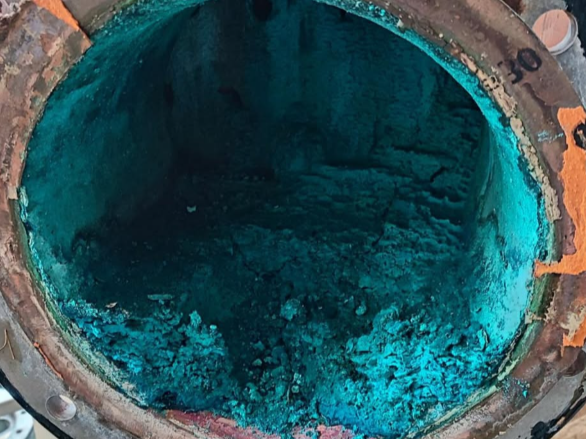
Why do Copper Stills develop green deposits?
Copper is one of the most widely used materials in spirits distillation. From whisky and brandy to rum and gin, copper pot stills and copper components remain an important part of many distillery operations.
However, anyone who has worked with copper distillation equipment for a while may have noticed something unusual: green deposits appearing inside the still, around the column or in the condenser.
Is this a sign of corrosion? Does it affect the spirit’s quality? And does it mean the equipment needs deep cleaning?
The answer is not always straightforward. Some green deposits are associated with normal chemical reactions during distillation, while others may indicate poor cleaning, unsuitable storage conditions or excessive corrosion. Understanding the difference helps distillers maintain their equipment without unnecessary cleaning or damage.
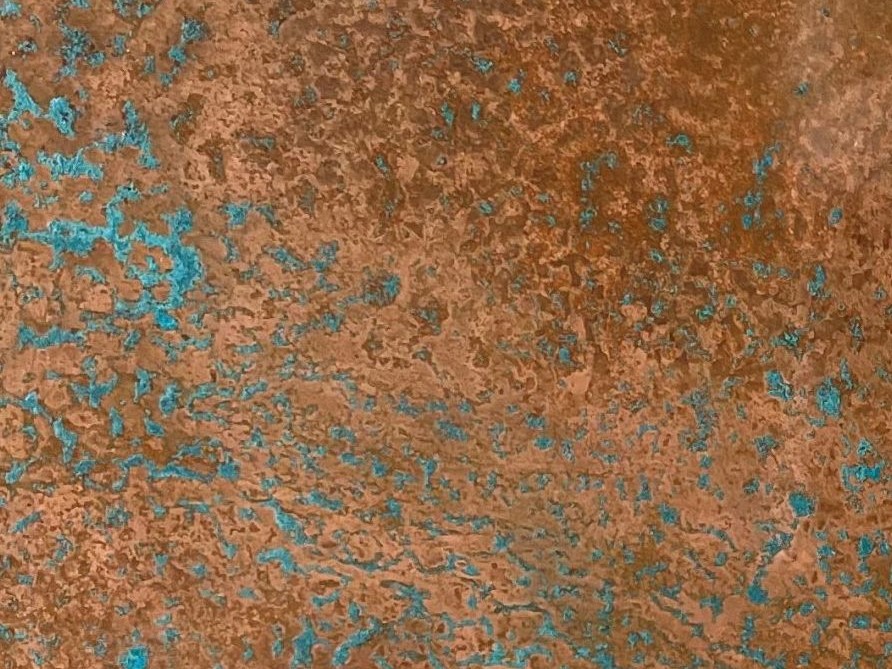
Why Do Green Deposits Appear in Copper Stills?
Copper is not an entirely passive material. During distillation, it comes into contact with alcohol vapour, water, organic acids and other compounds carried over from fermentation.
These substances can react with the copper surface, forming copper salts and other deposits. Over time, some of these materials may accumulate in areas such as the still neck, column and condenser.
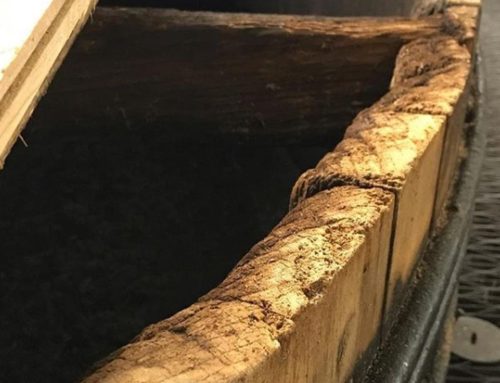
In whisky production, a particular green material has historically been known as “whisky verdigris.” Research into this phenomenon found that it contains copper compounds associated with fatty acids and other organic residues from the distillation process.
Commercial distilleries have also seen such deposits, particularly around condensers and other copper contact surfaces.
Although the name sounds like ordinary copper corrosion, whisky verdigris is not necessarily the same material as the traditional green corrosion products found on weather-exposed copper.
Similar copper reactions can occur in equipment used for other spirits. However, the amount and composition of the deposits depend on the raw materials, fermentation characteristics, distillation method and equipment design.
Is Green Copper a Normal Condition in Distillery Equipment?
Not every green deposit indicates a problem, and not every copper still develops visible green deposits.
The appearance of copper surfaces changes during normal operation. Heat, moisture, oxygen and contact with distillation compounds gradually affect the surface. Depending on operating conditions, copper may develop darker oxidation layers or localized green deposits.
It is useful to distinguish between two situations:
Normal surface changes: A thin layer of discoloration or a limited amount of residue may develop during regular operation. This does not automatically mean the still is damaged.
Excessive deposits or corrosion: Thick, loose or powdery buildup, recurring deposits, visible pitting or flaking surfaces should be investigated. These conditions may indicate unsuitable cleaning practices, prolonged exposure to moisture or more serious material deterioration.
The distinction matters because cleaning away every change in copper colour is neither necessary nor always beneficial.
Do Green Deposits Affect Spirit Quality?
Copper plays an important role in distillation beyond simply conducting heat.
As alcohol vapour passes through the still, copper interacts with certain sulphur-containing compounds generated during fermentation. This helps reduce unwanted sulphur-related aromas and contributes to the overall character of the distillate.
However, excessive or uncontrolled deposits should not be ignored. Loose residues may enter the product stream, while unsuitable corrosion can increase unwanted copper transfer.
For this reason, distillers should pay particular attention to areas where deposits can accumulate, especially condensers, column sections and other parts of the equipment that are difficult to inspect.
If substantial green material appears in the product-contact pathway, it should be inspected and removed using an appropriate cleaning procedure before production resumes. Unusual deposits or suspected corrosion may also require material inspection and product testing.
How Should Copper Distillation Equipment Be Cleaned?
Proper cleaning helps maintain distillation performance and extends equipment service life. However, copper requires a different approach from stainless steel.
Here are several practical considerations for distillery operators.
1. Clean according to the production process
Remove accumulated organic residues and product deposits using cleaning procedures compatible with copper. The cleaning frequency should depend on production volume, the type of spirit and the condition of the equipment.
2. Avoid excessive acid cleaning
Acidic cleaning solutions can remove oxidation and mineral deposits, but excessive concentration or prolonged contact may also attack the copper itself.
Using stronger chemicals or cleaning more frequently than necessary can gradually reduce material thickness and shorten equipment life. Always follow the equipment manufacturer’s cleaning instructions.
3. Pay attention to condensers and internal pipework
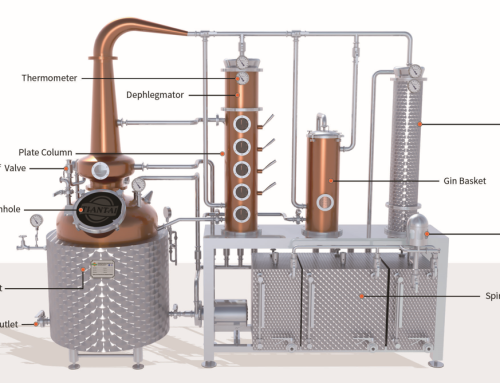
The still body is not the only area requiring attention. Copper tubes, columns, dephlegmators and condensers can accumulate residues that are difficult to see from outside.
These components should be included in the maintenance plan, with periodic inspection or disassembly when necessary.
4. Clean thoroughly when changing spirit types
Different spirits leave different residues. Gin production, for example, can introduce essential oils and botanical compounds that may remain inside the equipment.
When changing from one product to another, cleaning requirements should be adjusted accordingly to avoid unwanted flavour carryover.
5. Check equipment after extended shutdowns
Before restarting a still after a long period of inactivity, inspect internal surfaces, connections and condensers. Remove remaining moisture and residues as required, and check for signs of corrosion or deterioration.
The goal is not to keep every copper surface looking brand new. It is to maintain clean product-contact surfaces, reliable heat transfer and sound equipment construction.
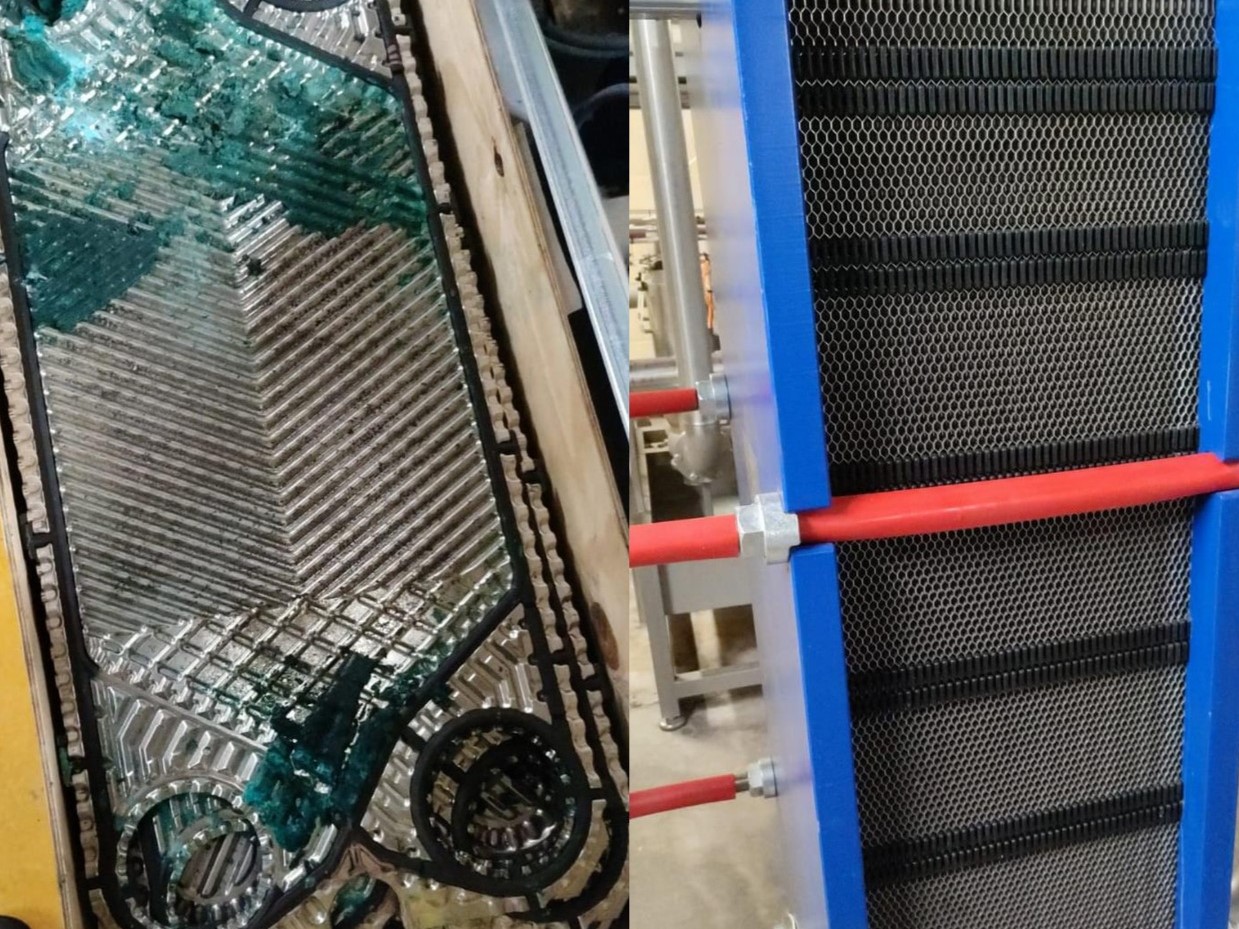
Copper Still Design and Maintenance: Details That Matter
Good maintenance starts with equipment design.
A distillation system should allow operators to inspect, clean and maintain the areas where residues are most likely to accumulate. Accessible connections, properly arranged pipework, suitable drainage and well-designed condenser structures all make routine maintenance easier.
The choice between copper and stainless steel also depends on the production process. Some distilleries prefer traditional copper pot stills, while others use stainless steel vessels combined with copper sections in the vapour path.
Neither arrangement should be selected simply for appearance. The material, still configuration, copper contact area and condenser design should match the intended spirit style and production requirements.
Distillation Equipment Solutions from Tiantai
At Tiantai, we understand that distillation equipment needs to perform reliably throughout years of commercial operation. Equipment design must consider not only distillation capacity but also heat transfer, vapour contact, cleaning access and long-term maintenance.
We provide distillation equipment solutions for whisky, brandy, gin, rum and other spirit production, with configurations available for different capacities and production processes.
From copper pot stills and hybrid stills to stainless steel process vessels and supporting equipment, our engineering team can help configure a system around your production requirements.
Whether you are building a new distillery or upgrading existing equipment, selecting the right still structure and material combination is an important step towards reliable production.
Contact Tiantai to discuss your distillation equipment project and find a solution suited to your production process.