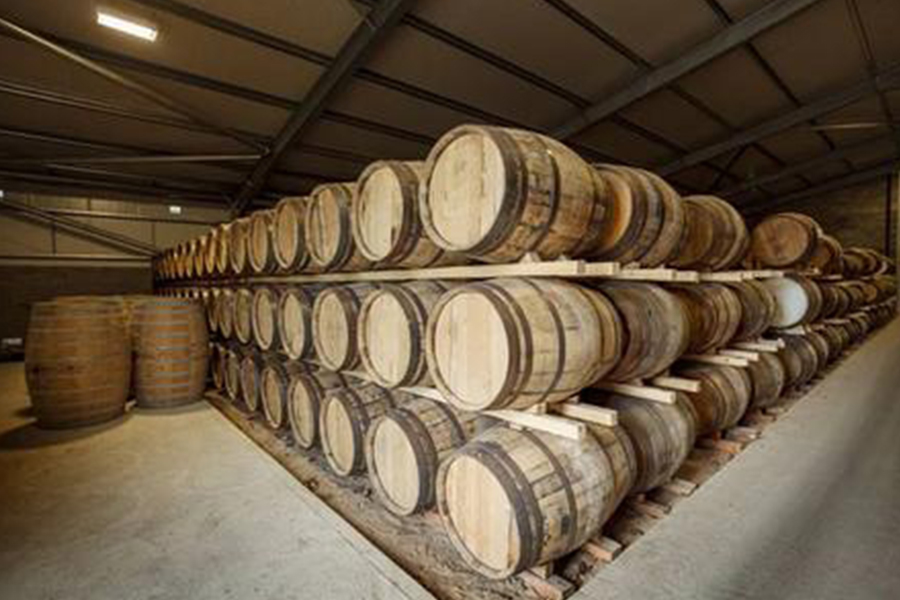
Impacts of Different Storage Conditions on Spirit Profile
Aged aromas in whisky, including vanillin, eugenol, whisky lactone and other compounds, are developed during maturation. Maturation constitutes an essential unit operation within distilled spirits production. For distilleries, cask maturation shapes not only product sensory profiles, but also capital turnover, footprint planning, angel’s share control and batch consistency. It is therefore a core consideration in distillation equipment layout and process engineering.
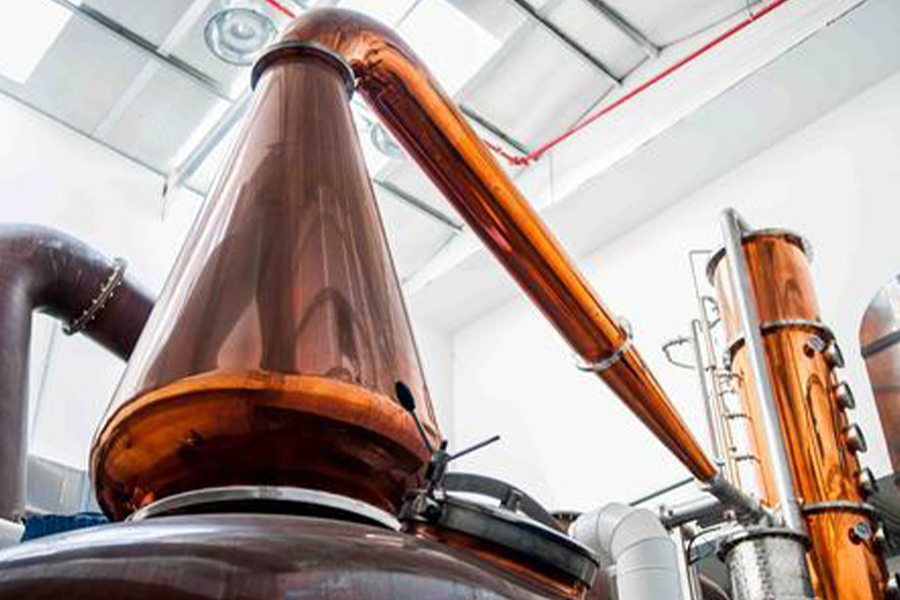
From an equipment manufacturer’s perspective, this article elaborates on how varied storage environments influence spirit characteristics, alongside practical equipment configuration recommendations for distillery operators.
Maturation Process
Oak cask maturation is the primary ageing method for distilled spirits such as whisky and brandy. While spirit matures inside oak cooperage, mass transfer occurs between the liquid matrix and the cask wood. During brandy ageing, chroma, pH, tannin content and total phenol concentration follow predictable trends, demonstrating pronounced oak ageing effects. For whisky, oak extractives including coniferyl alcohol, sinapaldehyde, lignans, coumaraldehyde, 5-methylfurfural, syringic acid and vanillin evolve over maturation time to build the final flavour palette.
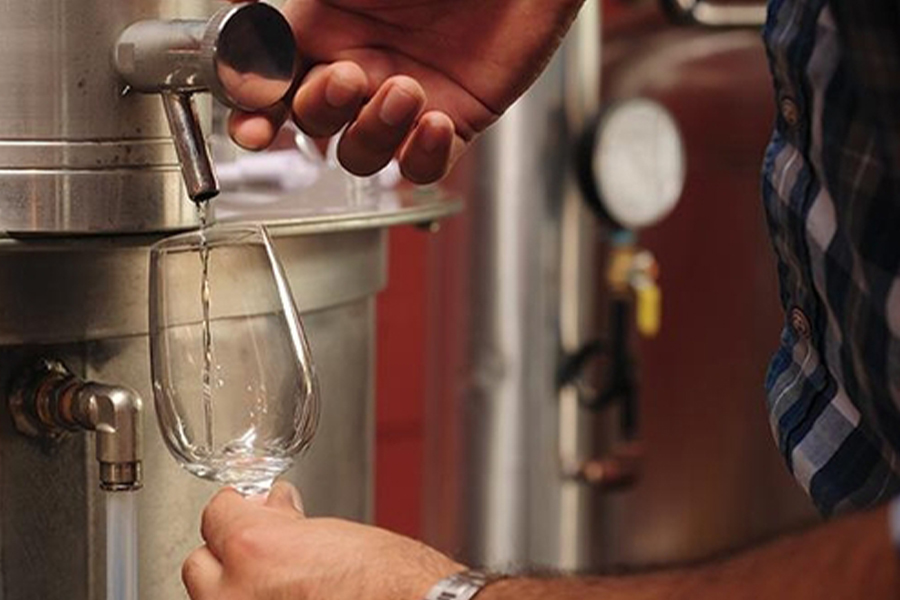
Angel’s Share: Spirit evaporates through micro-pores in the oak staves, resulting in natural volume loss. This evaporative mechanism facilitates thorough homogenisation of spirit constituents and formation of integrated aromatic profiles. Since ethanol is more volatile than water, proof gradually declines over time. Thermal expansion and contraction driven by temperature fluctuations further accelerate mass exchange across the spirit cask ambient interface. Accordingly, storage temperature and relative humidity exert continuous, direct control over evaporation rate, alcoholic strength loss and flavour development kinetics.
Environmental Parameters Affecting Distilled Spirits
Temperature & Climate Regime
Tropical high-temperature storage: Elevated temperatures accelerate the diffusion of oak-derived flavour compounds into the spirit matrix, speeding up maturation and yielding pronounced, intense oak character — commonly referred to as high-temperature accelerated ageing. Temperate climate storage: Oak extractives are released at a slower rate, delivering extended, refined and well-balanced sensory attributes. Thermal cycling: Temperature swings are a major driver amplifying Angel’s Share. Wider temperature differentials intensify spirit-wood-atmosphere interchange and shorten maturation cycles, yet they also raise evaporation loss, increase flavour variability and compromise batch-to-batch consistency.
Humidity & Ambient Air
Scotland’s humid climate is widely recognised as favourable for spirit maturation and expression of full flavour potential. Cool, high-humidity warehousing supports long-term ageing with superior flavour stability.
Cask Stacking Pattern & Tier Height
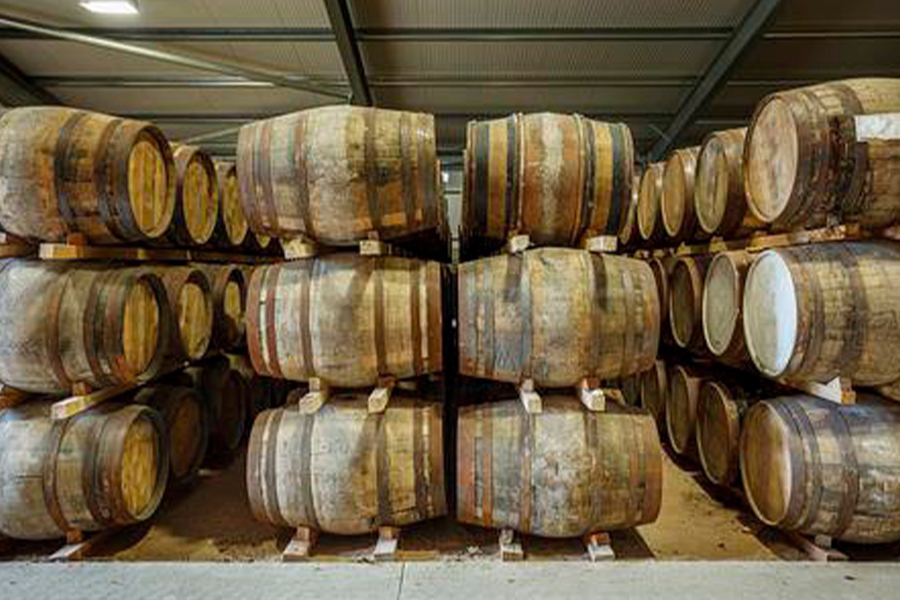
Warehouse layout itself forms part of the maturation microenvironment. Tightly packed upright cask stacking reduces handling labour input but is suboptimal from an ageing standpoint. A three-tier stacking protocol is recommended for distilleries. Casks placed on higher tiers are more susceptible to ambient temperature deviations. Restricting stack height minimises differential exposure and stabilises sensory consistency across production batches.
Supplementary Technologies for Improved Capital Turnover
Natural maturation entails extended residence time, with premium ageing specifications often requiring 12 years or longer. This creates substantial pressure on distillery capital occupancy and facility footprint. Artificial acceleration technologies such as ultrasonic maturation are gaining industry traction. Research validates that ultrasonic treatment significantly modulates chroma and clarity of whisky and promotes ageing progression. Tiantai integrates these technologies into custom distillation plant proposals based on client-specific operational conditions and production objectives to support high-efficiency spirit manufacturing.
Distilled spirit maturation represents a long-term interactive system comprising oak cooperage, spirit matrix and ambient environment. Temperature regime governs maturation kinetics and oak flavour extraction intensity; humidity and air conditions regulate evaporation and angel’s share; warehouse construction and cask stacking tiers determine batch repeatability. For large-scale distilleries, a controllable, stable and traceable maturation environment is foundational to consistent product quality and value appreciation. Tiantai delivers customised engineering solutions that enable distilleries to preserve premium spirit quality while optimising operational efficiency and economic returns.