
The Pros and Cons of Chill Filtration: How Distilleries Make the Right Choice
In our previous article, What Is Chill Filtration in Whisky Production?, we explored how chill filtration works and why many distilleries use it before bottling. Understanding the process, however, is only part of the decision. Distillery owners must also evaluate how filtration affects product positioning, production efficiency, and consumer perception.
Like many production decisions in whisky making, chill filtration involves trade-offs rather than absolute advantages or disadvantages. The process can improve product stability and streamline commercial operations, but it may also alter characteristics that some consumers actively seek.
Understanding these trade-offs helps distilleries determine whether chill filtration aligns with their product strategy instead of simply following industry convention.
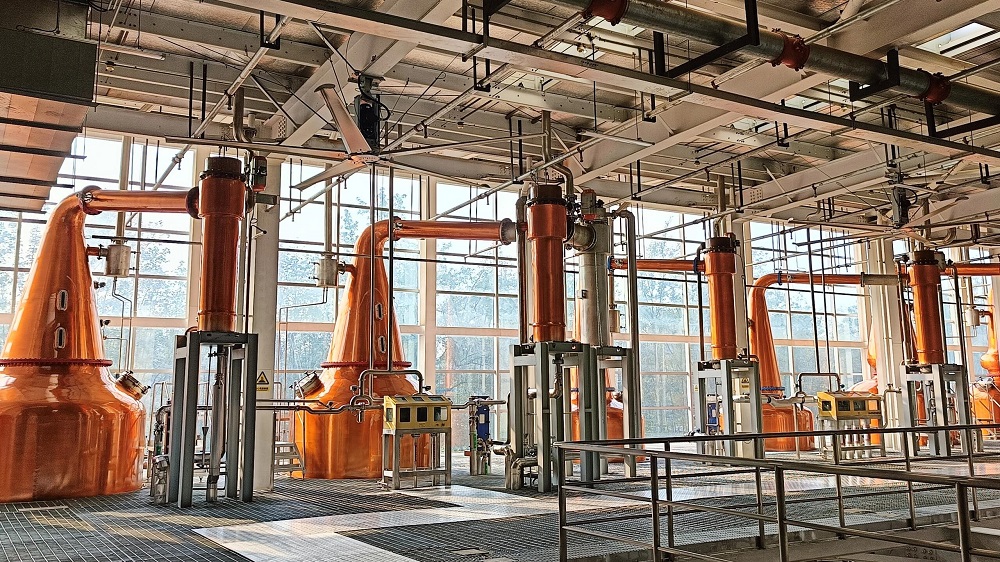
Advantages of Chill Filtration
A Consistently Clear Appearance
The most obvious benefit of chill filtration is visual clarity.
Whisky may travel thousands of kilometers before reaching distributors, retailers, or consumers. Along the way, bottles can experience significant temperature fluctuations during shipping, warehousing, and retail storage. A spirit that appears clear when bottled may develop haze after prolonged exposure to colder conditions.
For premium brands entering new international markets, maintaining a consistently bright appearance reduces unnecessary customer concerns and helps create a more uniform brand image.
This is one reason why many established Scotch whisky brands continue to chill filter their flagship expressions, particularly those bottled at 40% or 43% ABV.
Improved Product Stability for Global Distribution
As whisky exports continue to expand worldwide, producers increasingly design products for a wide range of climates and consumption habits.
In North America, whisky is commonly served over ice. In warmer regions, consumers often refrigerate spirits before serving. Even retail display conditions vary considerably between countries.
Chill filtration provides greater confidence that the whisky will remain visually stable regardless of how it is stored or consumed. For distilleries producing tens of thousands of bottles each year, minimizing appearance-related complaints can be an important operational benefit.
Greater Consistency Across Production Batches
Although chill filtration cannot correct variations created during fermentation or distillation, it does help standardize the finished product by removing naturally occurring compounds that may fluctuate slightly between batches.
For large-scale commercial production, this contributes to a more consistent customer experience over time.
Consistency has become an increasingly important performance indicator for modern distilleries, particularly those supplying supermarkets, hotel groups, private-label brands, or international beverage distributors.

Potential Disadvantages
Reduced Mouthfeel
The most frequently discussed criticism of chill filtration is its effect on whisky texture.
The fatty acid esters and other compounds removed during filtration contribute relatively little to the whisky’s aroma, but they can influence how the spirit feels on the palate. Many enthusiasts describe non-chill-filtered whisky as having a richer, oilier, or fuller mouthfeel.
The difference is often subtle rather than dramatic, and perception varies between individuals. Nevertheless, texture is an important element of premium whisky, particularly for higher-strength expressions.
Perception Among Enthusiasts
During the past decade, “Non-Chill Filtered” has evolved from a technical production detail into a marketing statement.
Many experienced whisky drinkers actively look for labels displaying:
- Non-Chill Filtered
- Natural Colour
- Bottled at 46% ABV or higher
For these consumers, minimal processing suggests authenticity and craftsmanship.
This does not necessarily mean they can always identify chill filtration during blind tastings. Controlled comparisons have produced mixed results, and sensory studies have yet to establish a universal consensus. However, purchasing decisions are influenced not only by measurable flavour differences but also by consumer perception and brand values.
As a result, distilleries targeting collectors, enthusiasts, and premium craft markets often view non-chill filtration as part of their overall brand identity.
Additional Processing Requirements
From an operational perspective, chill filtration introduces another controlled production step before bottling.
The process requires:
- Cooling capacity
- Holding tanks
- Filtration equipment
- Transfer pumps
- Hygienic pipework
- Process monitoring
- Cleaning procedures between production batches
For distilleries planning future expansion, these requirements should ideally be considered during the initial plant design rather than added later through costly retrofits.
This is where turnkey engineering becomes particularly valuable.
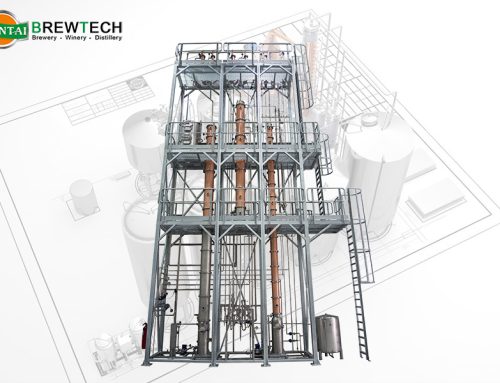
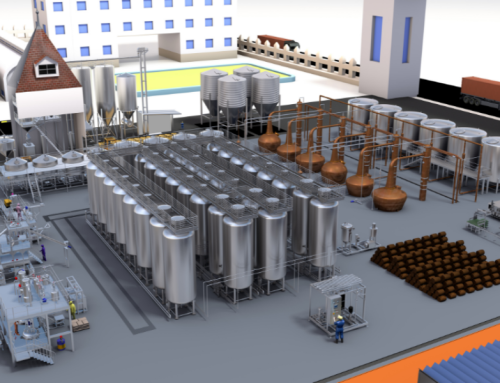
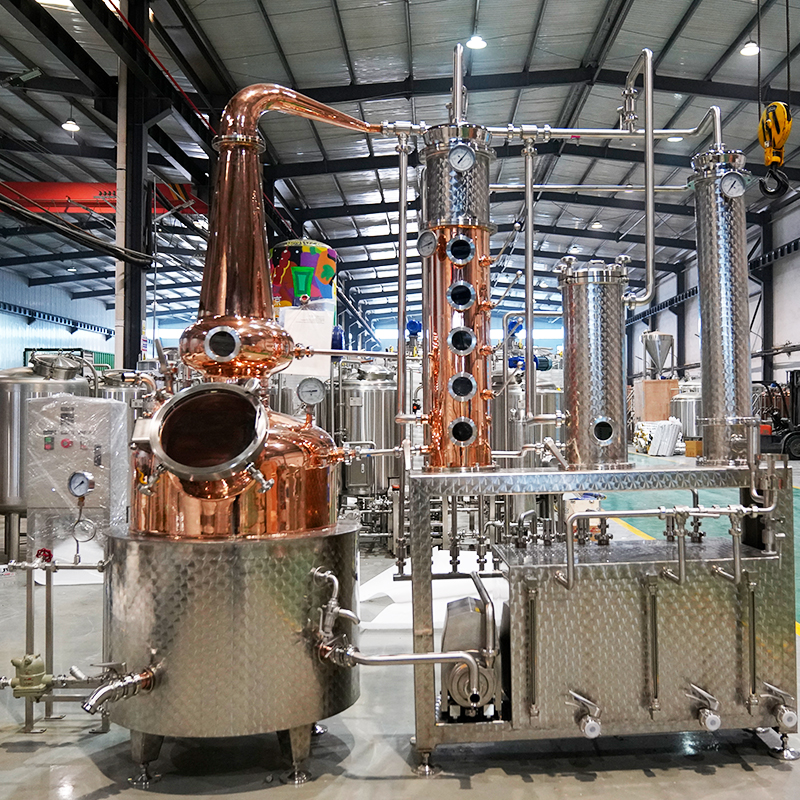
Rather than treating chill filtration as an isolated machine, Tiantai works with clients to evaluate the complete production workflow—from spirit receiving and storage through filtration, bottling preparation, and CIP cleaning. By integrating these stages during the engineering phase, distilleries gain greater flexibility to introduce chill filtration, modify filtration capacity, or produce both chill-filtered and non-chill-filtered product lines as market demand evolves.
Consumer Attitudes: Why the Debate Continues
If production teams focus on process efficiency, consumers often focus on philosophy.
Among whisky enthusiasts, few production topics generate as much discussion as chill filtration.
Some argue that removing naturally occurring oils and esters inevitably sacrifices part of the whisky’s original character. Others believe the practical difference is too small to justify rejecting an otherwise excellent whisky.
In reality, today’s market contains several distinct consumer groups.
Mainstream consumers generally pay little attention to filtration methods. Their purchasing decisions are more strongly influenced by flavour, price, age statement, packaging, and brand reputation. For this audience, a crystal-clear whisky often reinforces perceptions of quality.
Whisky enthusiasts tend to examine production details more closely. They may compare fermentation times, cask types, bottling strength, natural colour, and filtration methods when selecting bottles. For these consumers, non-chill filtration has become one indicator of a less interventionist production philosophy.
Craft spirits buyers often fall somewhere between the two. While they appreciate transparency in production, they are usually more interested in whether each production decision supports the intended style of the spirit than in following strict rules.
This shift reflects a broader trend across the premium spirits industry. Increasingly, consumers are asking not simply what a distillery produces, but why it makes particular production choices.

Choosing the Right Approach for Your Distillery
There is no industry standard requiring chill filtration, nor is there a universal expectation that premium whisky must be bottled without it.
The appropriate decision depends on multiple factors, including:
- Target consumer profile
- Intended bottle strength
- Distribution markets
- Brand positioning
- Production scale
- Long-term product portfolio
Some distilleries successfully offer both styles, producing chill-filtered expressions for broader commercial markets while releasing limited non-chill-filtered editions aimed at enthusiasts.
This flexibility is becoming increasingly valuable as consumer preferences continue to diversify.
Conclusion
Chill filtration remains one of the most discussed finishing processes in whisky production—not because it determines quality, but because it reflects production priorities.
For some distilleries, visual stability, export reliability, and consistent presentation justify the additional processing step. For others, preserving every naturally occurring compound better supports the character they want their whisky to express.
Ultimately, the decision should be driven by production goals rather than industry trends.
Whatever approach a distillery chooses, success depends on consistent fermentation, precise distillation, hygienic process design, and equipment capable of delivering repeatable results from batch to batch.
At Tiantai, we help distilleries build production systems that support those goals. Whether your brand plans to bottle a crystal-clear whisky for global distribution or release a non-chill-filtered single malt for enthusiasts, our turnkey distillery solutions are designed to provide the flexibility, process control, and engineering reliability needed for long-term growth. Because great whisky is defined not by a single processing step, but by the quality of the entire production system behind it.