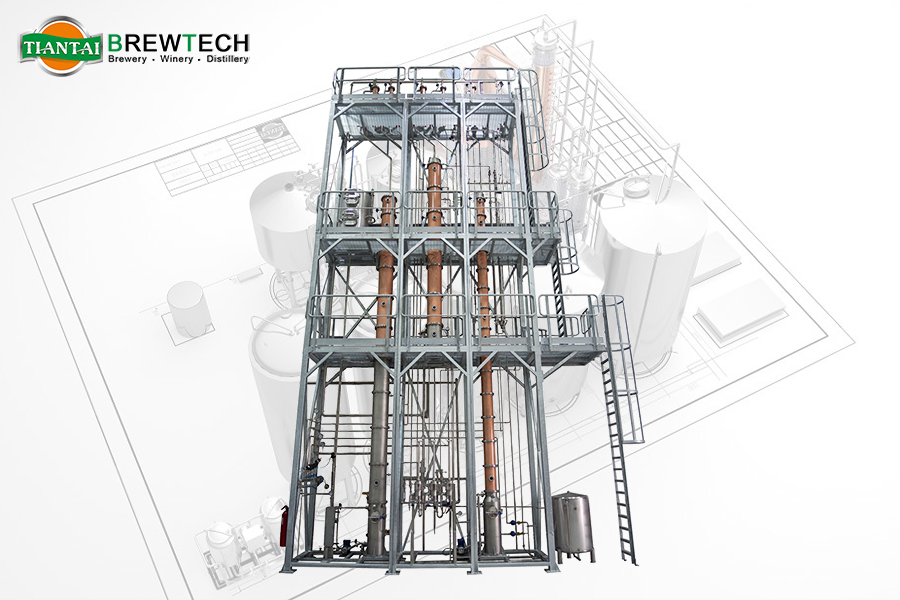
Column Stills and Their Application in Spirits Distillation
When we refer to “column distillation”, “tower distillation” or “continuous distillation”, we are describing the same distillation technology. Relying on multi-stage separation structures inside the column, it enables non-stop, high-efficiency production and has given rise to iconic spirit categories including light rum, grain whisky and blended whisky.
What Is a Column Still
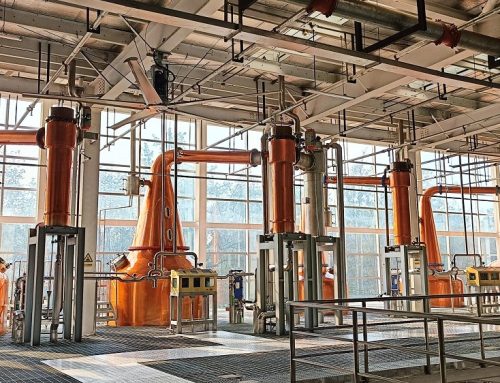
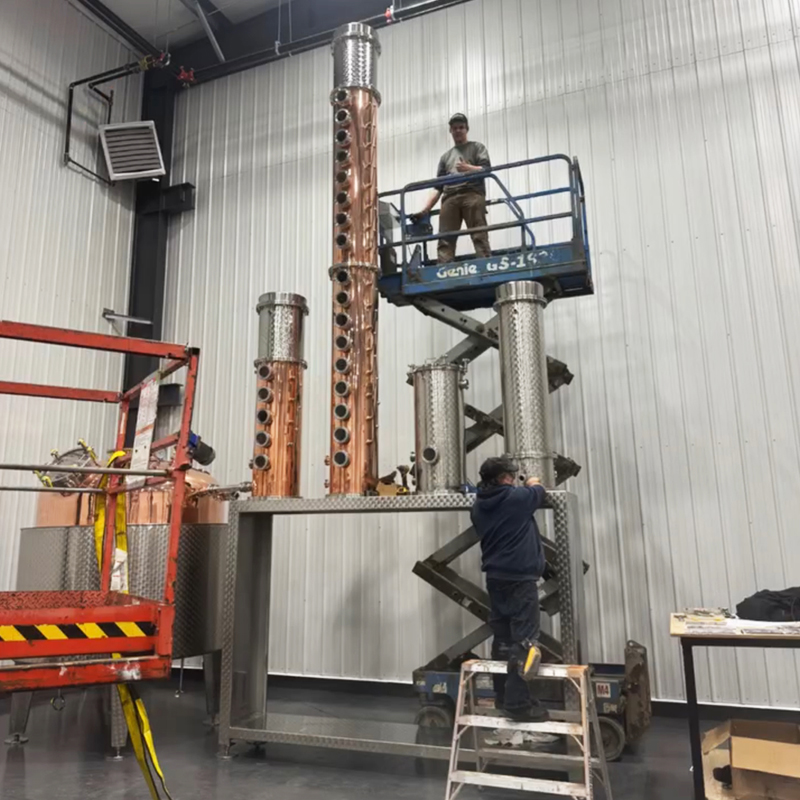
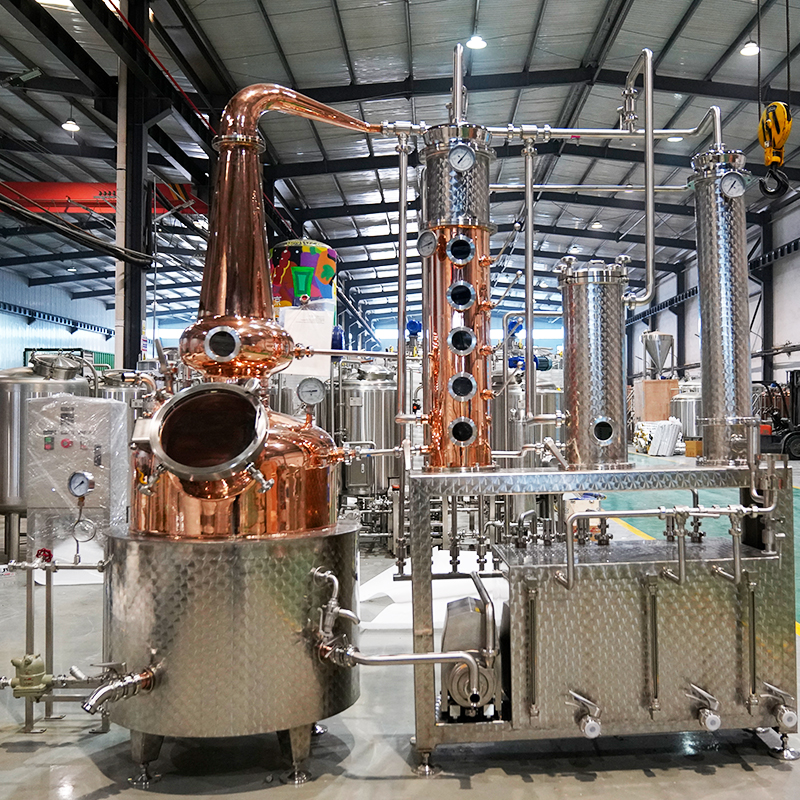
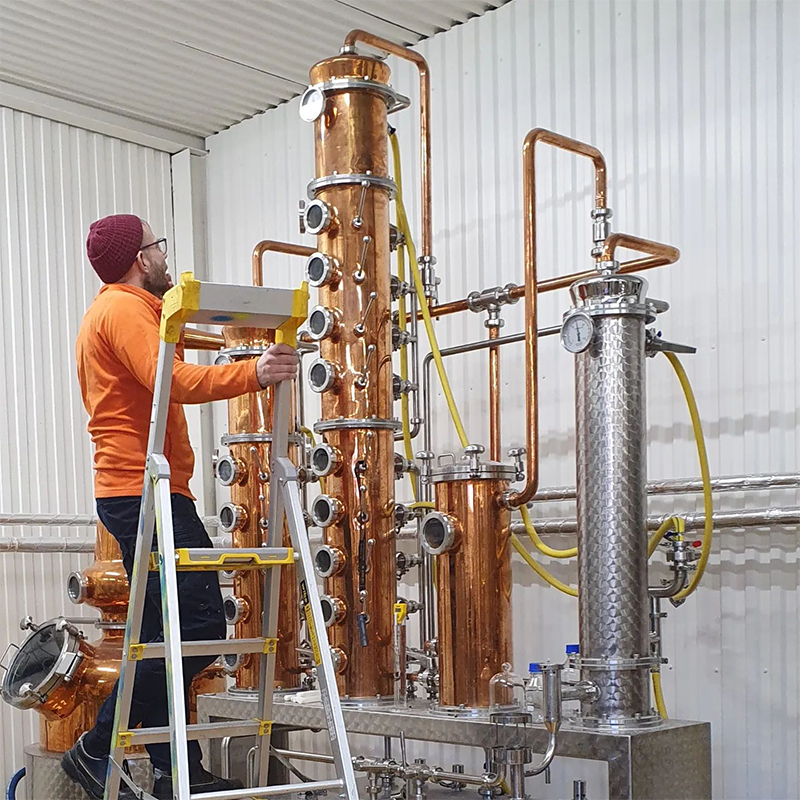
A column still, also known as a continuous still or Coffey Still, gets its name from its tall vertical tower structure. It is a continuously operated distillation apparatus fitted with multiple internal trays. Fermented wash enters the column; steam heating volatilises ethanol and flavour compounds, which rise, condense and re-distil for sequential separation, progressively boosting alcohol purity. Unlike pot stills, which operate in batches and require draining, cleaning and restarting after every run, column stills support continuous feeding and continuous spirit collection, delivering vastly higher throughput.
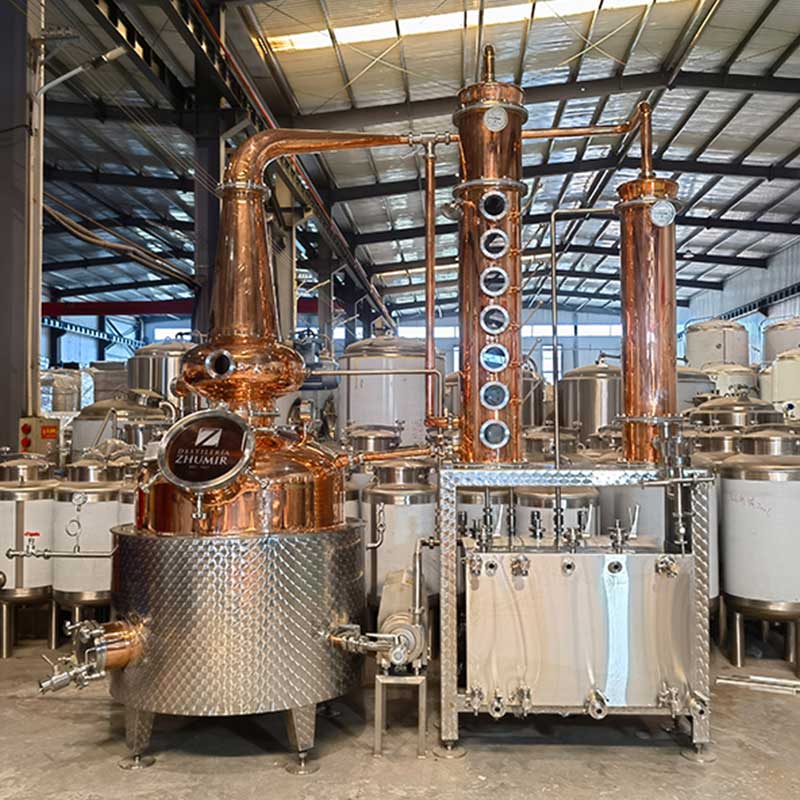
The column still marks the industrialisation milestone of the whisky sector. The classic Coffey Still consists of an analyser column and a rectifier column, where vapour is purified stepwise across trays to raise alcoholic strength. For rum production, premium continuous distillation systems are often expanded into four independent towers: a scrubbing column, a heads separation column, an analyser column and a rectifier column, each dedicated to separating specific fractions.
Rum
Column stills exert the most intuitive impact on rum production. Rum distilled via column stills carries fewer off-notes and features a clean, approachable profile, catering to evolving consumer tastes. As market demand for light rum grew, the rum industry underwent segmentation. Many mass-production pot still distilleries scaled back operations, while pot still distilleries focused on high-ester, heavy-style rum have remained active to this day.
It is worth noting that column stills are not limited to light rum production. By precisely controlling reflux ratio and fraction draw points and other process parameters, heavy-style rum can also be produced. Modern distilleries can manufacture multiple rum distillates ranging from ultra-light, medium-flavoured to high-ester heavy rum on a single continuous distillation unit by adjusting column configurations and operating parameters. Even when final distillate strength is matched to pot still outputs, fundamental differences remain in flavour layers and complexity.
Whisky
The column still represents a landmark advancement for the whisky industry. In the first half of the 19th century, Irishman Aeneas Coffey refined early continuous distillation hardware and designed a two-column continuous distillation setup composed of an analyser and a rectifier — later named the Coffey Still.
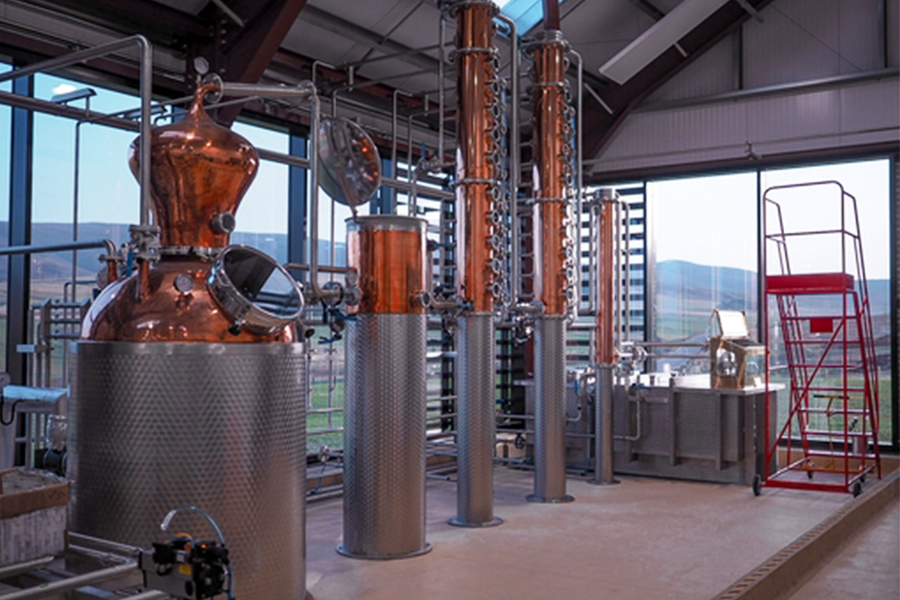
After its invention, the Coffey Still was rapidly adopted by Scottish distilleries for large-scale grain whisky production, thanks to its high capacity and low operating cost. Prior to this innovation, traditional pot stills only supported batch production with constrained output and high labour expense. Column stills enabled the industrial mass production of grain whisky. This transformation fuelled the rise of Scotch blended whisky. Combined with the potato famine, trade tariffs and other factors, Scotch gradually displaced Irish whisky from its historic global market dominance.
While continuous distillation delivers high throughput and clean distillate, its flavour expression differs markedly from pot distillation. Longer heating cycles in pot stills promote chemical reactions among flavour precursors and accumulate abundant flavour compounds. Continuous column distillation is a rapid process, yielding grain whisky with a clean and light aromatic profile.
Brandy
France maintains diverse distillation routes for brandy with strict statutory specifications for Cognac and Armagnac. Continuous column distillation is widely adopted for other French brandies outside these two protected origin regions. Cognac regulations mandate double distillation in Charentais pot stills. Traditional Armagnac uses semi-continuous Armagnac column stills, producing distillate in a single pass without re-distillation. Ordinary brandy from column stills also requires no second distillation and presents a lighter style. Cognac’s double pot distillation yields lower distillate strength and greater flavour complexity, clearly demonstrating how distillation technology defines spirit character.
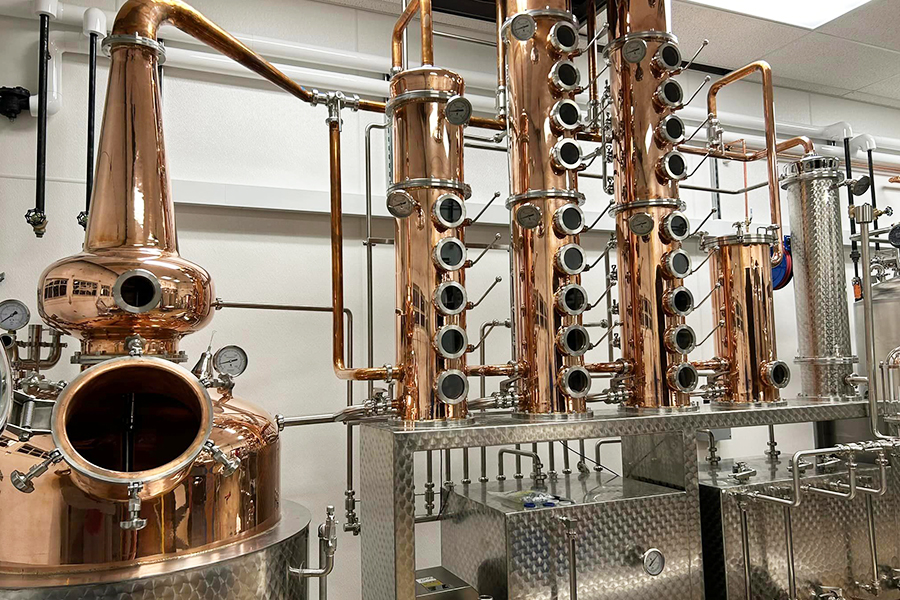
Column Still vs Pot Still
Across rum, whisky and brandy, the core distinction between column stills and pot stills lies in production throughput versus flavour complexity.
Column stills excel at continuous high-volume operation and precise fraction cutting, making them the preferred choice for large-scale industrial manufacturing. Column distillation can reach a maximum alcoholic strength of 96% ABV, the ethanol-water azeotrope. Therefore column stills are widely used for neutral spirits such as vodka and gin, alongside white rum and bourbon whiskey.
The main limitation of column stills is low concentration of flavour by-products, resulting in generally lighter distillate.
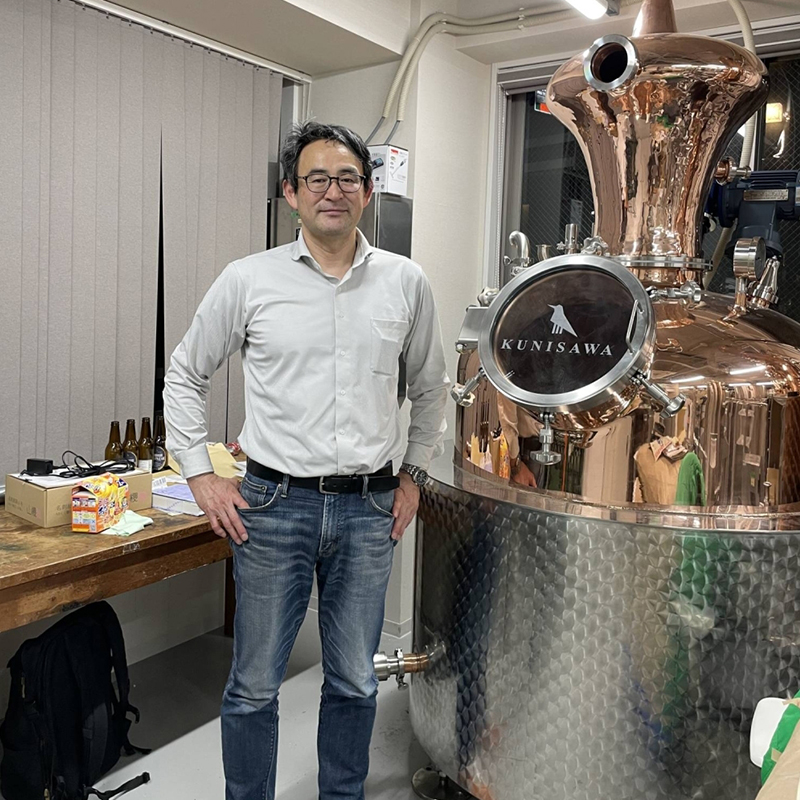
Pot stills operate in the opposite fashion: batch processing demands heavy labour and limits output, yet the distillate accumulates abundant fusel alcohols, esters and other flavour compounds. Pot stills are commonly fabricated from copper. Copper captures sulphurous off-flavours and retains rich aromatic components, a flavour-forming capability difficult to replicate with column stills. Pot stills are therefore favoured for categories prioritising rich, complex flavour, including single malt Scotch whisky, Cognac, traditional heavy rum and tequila.
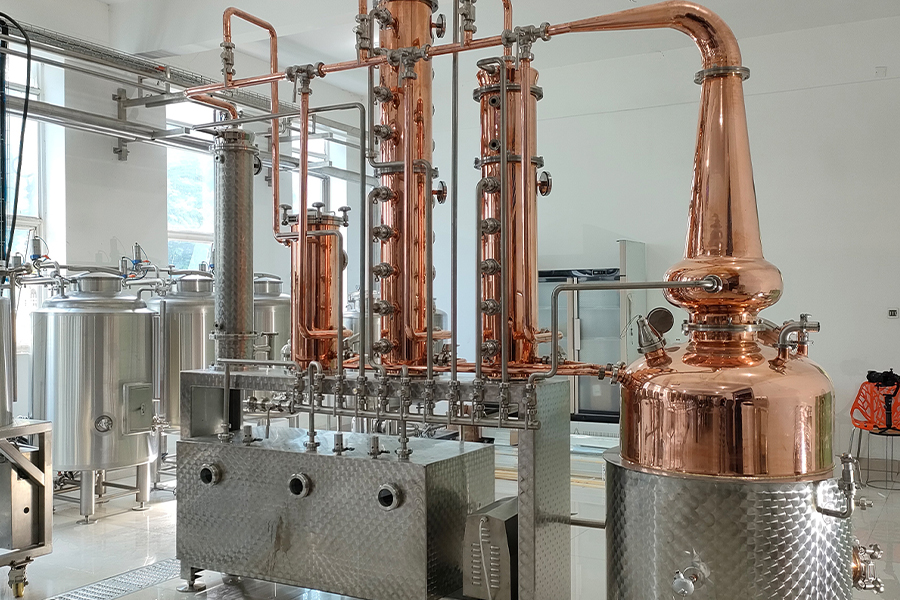
Furthermore, modern distilleries are not forced to choose between the two equipment types. As a professional equipment manufacturer, Tiantai delivers customisable diversified distillation solutions. Besides column stills and pot stills, hybrid distillation systems are available to balance spirit purity and aroma layers.